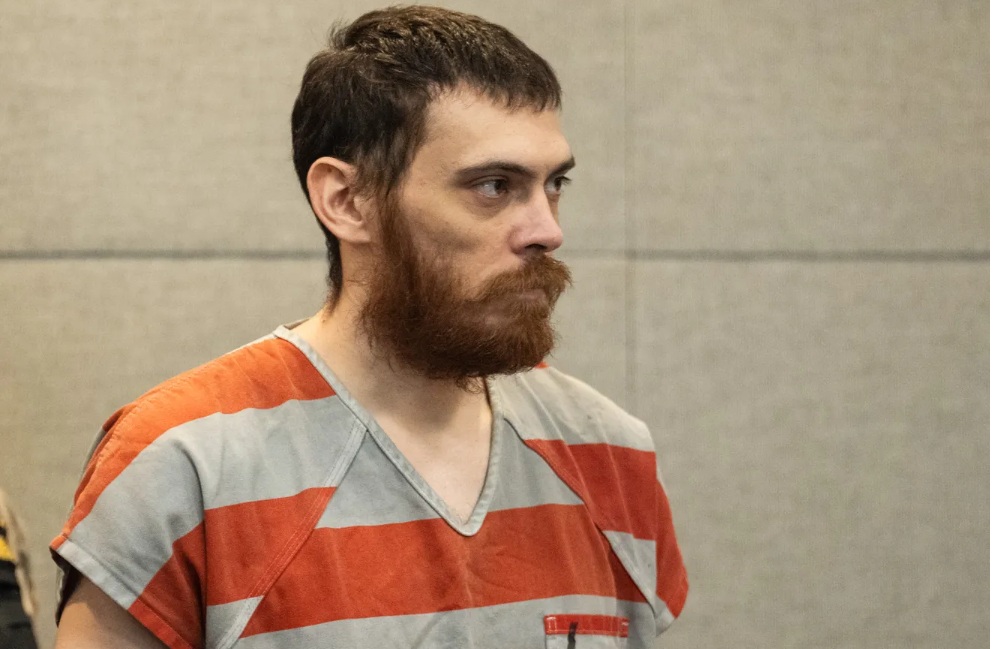
Jury selection began Tuesday in the capital murder trial of 37-year-old Shane James, a case that will force a Texas jury to decide the thin legal line between severe mental illness and criminal responsibility. James is accused of a December 2023 shooting rampage that spanned multiple counties, leaving six people dead—including his own parents—and three others wounded. The proceedings, as reported by the Austin American-Statesman, center on whether James was legally insane at the moment he pulled the trigger.
This trial isn’t just about a sequence of violent crimes; it is a high-stakes test of the Texas insanity defense. For the families of the victims, the outcome determines whether James spends the rest of his life in a prison facility or a state mental hospital. For the legal system, it asks a grueling question: can a person be so detached from reality that they are incapable of knowing their actions are wrong?
A rare competency detour
The trial almost started Monday, but a rare defense request pushed it back by one day. The court had to first determine if James was even competent to stand trial—meaning, does he understand the proceedings and can he help his lawyers? This is a distinct legal hurdle from the “insanity” defense. Competency looks at the defendant’s state of mind now; insanity looks at their state of mind then.
The competency hearing revealed the depth of James’s delusions. Two forensic psychologists testified that James believes his life is controlled by “laser masters” and that he viewed a public trial as a way to reach other people targeted by these beings. While a psychologist hired by the defense argued these schizophrenia-fueled delusions made James incapable of participating in his own defense, a court-appointed expert disagreed. The jury sided with the court expert, clearing the way for the capital murder trial to proceed.
The anatomy of an eight-hour rampage
The violence began on December 5, 2023, in Bexar County, where James is accused of killing his parents, Shane and Phyllis James. That bloodbath served as the prologue to a day of terror in Austin. According to arrest records and police statements, the Austin violence unfolded in a jagged timeline of targeted and random attacks:
- 10:43 a.m.: James opened fire at Northeast Austin Early College High School, striking Austin ISD police Sgt. Val Barnes in the leg.
- Midday: On Shadywood Drive, James shot 32-year-old Pop Ba, pulled him from his vehicle, and ran him over. Moments later, he shot 24-year-old Sabrina Rahman in the head as she pushed her infant son in a stroller.
- Evening: James shot a cyclist near West Slaughter Lane. Later, at a home on Austral Loop in the Circle C neighborhood, he shot a uniformed detective multiple times before stealing an Acura from the garage.
The rampage ended after a high-speed chase reaching 90 mph, concluding in a crash near Texas 45 and FM 1826. Police found a .45-caliber pistol in James’s waistband, which investigators later linked to the shell casings found at the various crime scenes.
The narrow window of the insanity defense
The defense team, led by attorney Russell Hunt Jr., is pursuing a “not guilty by reason of insanity” verdict. To win, they must prove it is more likely than not that a severe mental disease or defect prevented James from knowing his actions were wrong. This is a notoriously difficult bar to clear.
“A mental health diagnosis alone isn’t enough,” says Brian Shannon, a Texas Tech University law professor. “Even if the person was in the midst of a psychotic episode, the defense still has to show their client thought what he was doing was right.”
According to the Texas Health and Human Services Commission, the insanity defense is raised in only about 1% of felony cases nationwide, and of those, only about 25% result in a successful verdict.
Prisons versus psychiatric commitment
There is a common misconception that an insanity verdict is a “get out of jail free” card. In reality, it simply swaps one form of confinement for another. If James is found guilty, he faces life in prison without parole, as Travis County District Attorney José Garza has stated his office will not seek the death penalty. If he is found not guilty by reason of insanity, he faces indefinite commitment to a state mental hospital under court-ordered supervision.
The question remains whether the “laser masters” in Shane James’s mind are a legal excuse for the lives destroyed in their wake.

BBG Youth Correspondent Jayli Interviews South Charleston City Council Candidate Karley Walker
In a recent interview, 23-year-old BBG Youth Correspondent Jayli sat down with Karley Walker, the Democratic candidate for...
Takeaways from Tennessee Lady Vols exhibition vs. Florida A&M – Sports Illustrated
The Tennessee Lady Vols delivered a statement win in their only exhibition game of the season, defeating Florida...
Study Ranks Milwaukee 8th Nationally In Spending on Fast Food
Milwaukee Ranks 8th Nationally in Fast Food Spending, Highlighting Deeper Economic and Social Divides Milwaukee residents spend an...
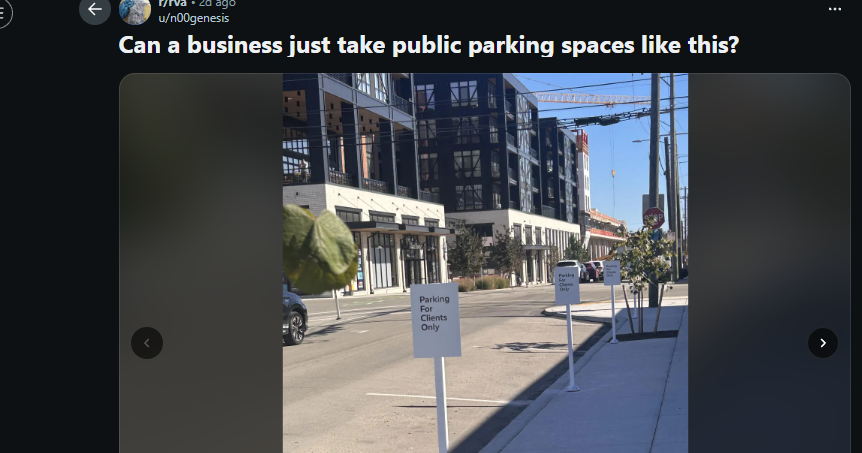
Miscommunication’ led to private parking signs on public Richmond street, landlord says
A miscommunication between a Richmond landlord and city officials led to the installation of private parking signs on...