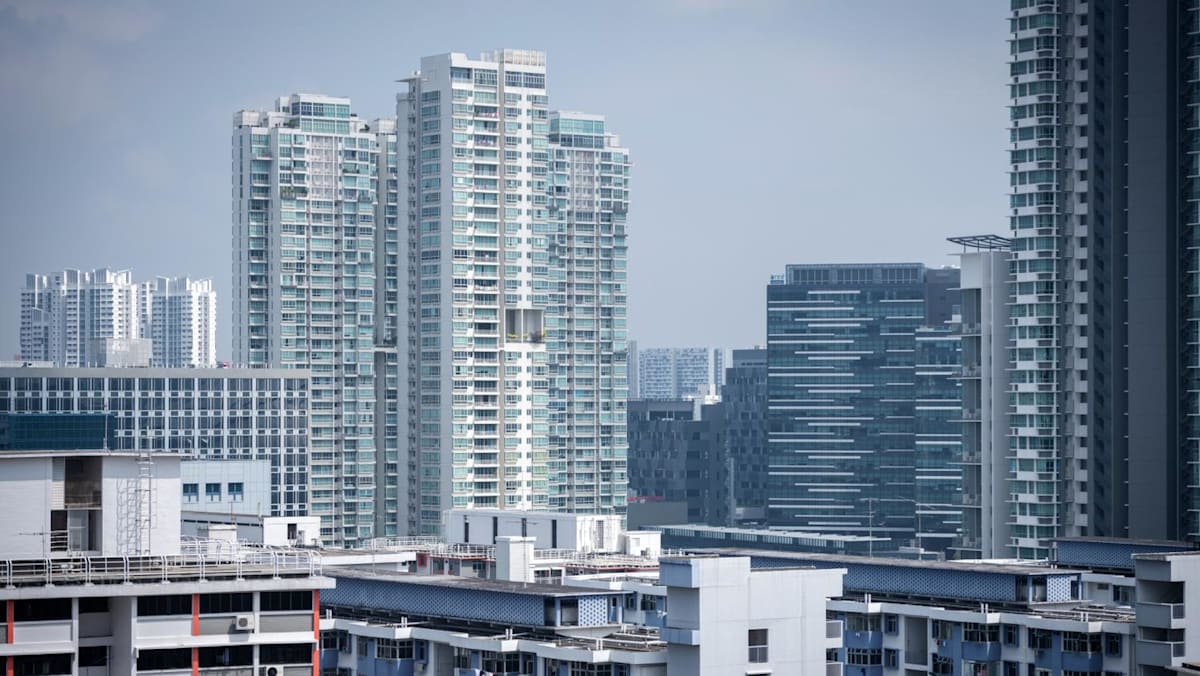
Singapore’s collective sale regime is facing a legislative change. The Ministry of Law introduced the Land Titles (Strata) (Amendment) Bill 2026 in Parliament, proposing a tiered consent framework that lowers the approval barrier for older private residential properties.
Under the existing framework, which has remained largely unchanged since its introduction in 1999, most developments require an 80 per cent majority to successfully launch an en bloc sale. The newly proposed rules adjust that requirement based on building age, creating a more practical path for ageing estates burdened by rising maintenance costs and depleting sinking funds.
Tiered Consent Thresholds for Ageing Developments
The proposed legislation establishes specific age brackets to determine what constitutes sufficient majority support for a collective sale. Developments aged between 40 and 59 years will require 70 per cent support from owners by share value and strata area, down from the standard 80 per cent threshold. For properties aged 60 years and older, the required consent drops further to 65 per cent.
Consent thresholds for newer properties remain untouched. Properties under 10 years old still require a 90 per cent majority, while those between 10 and 39 years old maintain the traditional 80 per cent requirement.
Official government records show more than 360,000 private non-landed residential units are currently below 40 years of age, while about 20,000 units are above 40 years. Industry estimates suggest that roughly 150 private non-landed developments fall into the 40 to 59 age bracket, with fewer than 10 developments aged 60 and above that could potentially benefit from the adjusted thresholds. Approximately 40 per cent of these older properties sit within Districts 9, 10, and 11 in Singapore’s core central region.
Stricter Rules and Safeguards for Dissenting Owners
While the legislation lowers barriers for older developments, it simultaneously introduces robust safeguards designed to protect non-consenting owners from prolonged pressure and repeated failed attempts.
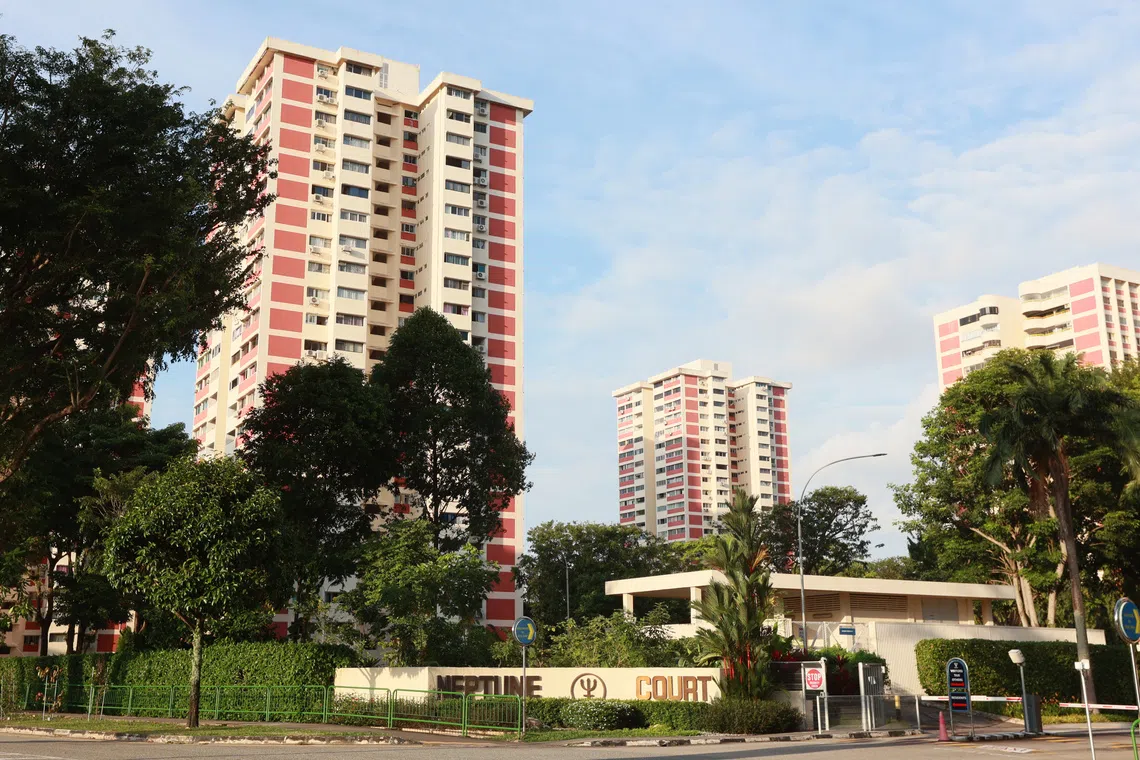
The threshold required to initiate a collective sale attempt will be raised. Owners must secure at least 35 per cent support—measured either by share value or the number of units—to sign a requisition convening a general meeting to form a Collective Sale Committee. This represents an increase from the current 20 per cent requirement by share value or 25 per cent by unit count.
Furthermore, the time period granted to committees to gather signatures for a collective sale agreement will be halved from 12 months down to six months. The Ministry of Law noted that this addresses concerns about prolonged pressure faced by non-consenting owners while still providing sufficient time for signature collection
according to the ministry’s policy announcements.
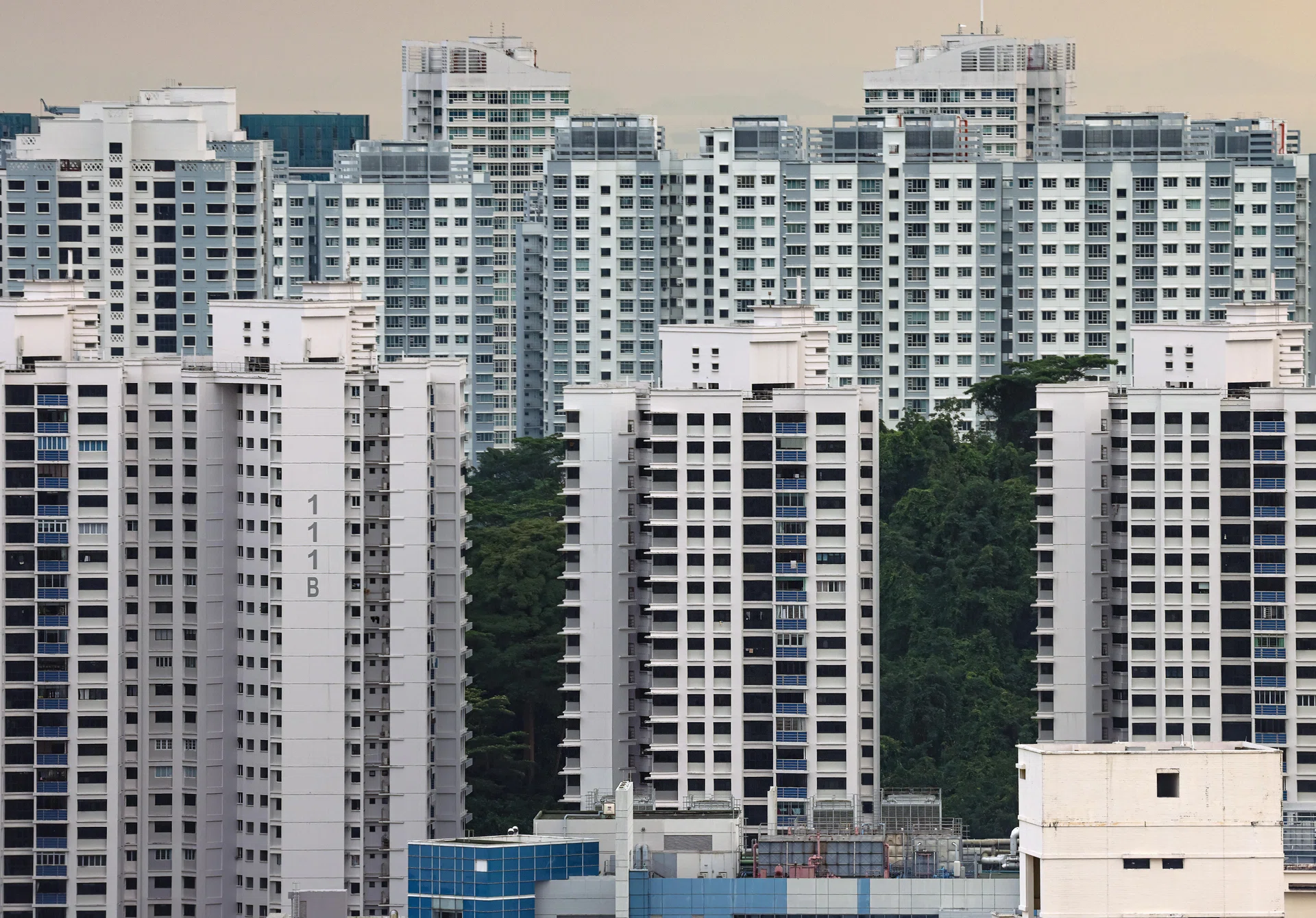
To prevent chronic re-applications where support is clearly lacking, the cooling-off period following an unsuccessful en bloc attempt will increase from two years to three years. During this restriction period, any new attempt to form a sale committee will face heightened requisition thresholds, reaching up to 70 per cent for properties aged 40 to 59 and 65 per cent for developments aged 60 and older on subsequent retries.
Financial protections for objectors are also expanding. The upper limit on court-ordered increases to sale proceeds paid to objecting owners will rise to 0.5 per cent of the sale proceeds for each lot or flat, or $2,000 (US$1,560) for each lot or flat, whichever is higher, doubling the current 0.25 per cent cap.
Expanding the Regime to Non-Strata Properties and Commercial Sites
Beyond standard condominiums, the proposed framework extends collective sale provisions to non-strata-titled private residential developments where flat owners hold long leases but do not own the underlying land. Historically, such properties required unanimous agreement between flat owners and landowners to sell. Under the Bill, these sites can proceed via majority consent, with built-in safeguards protecting landowner interests.
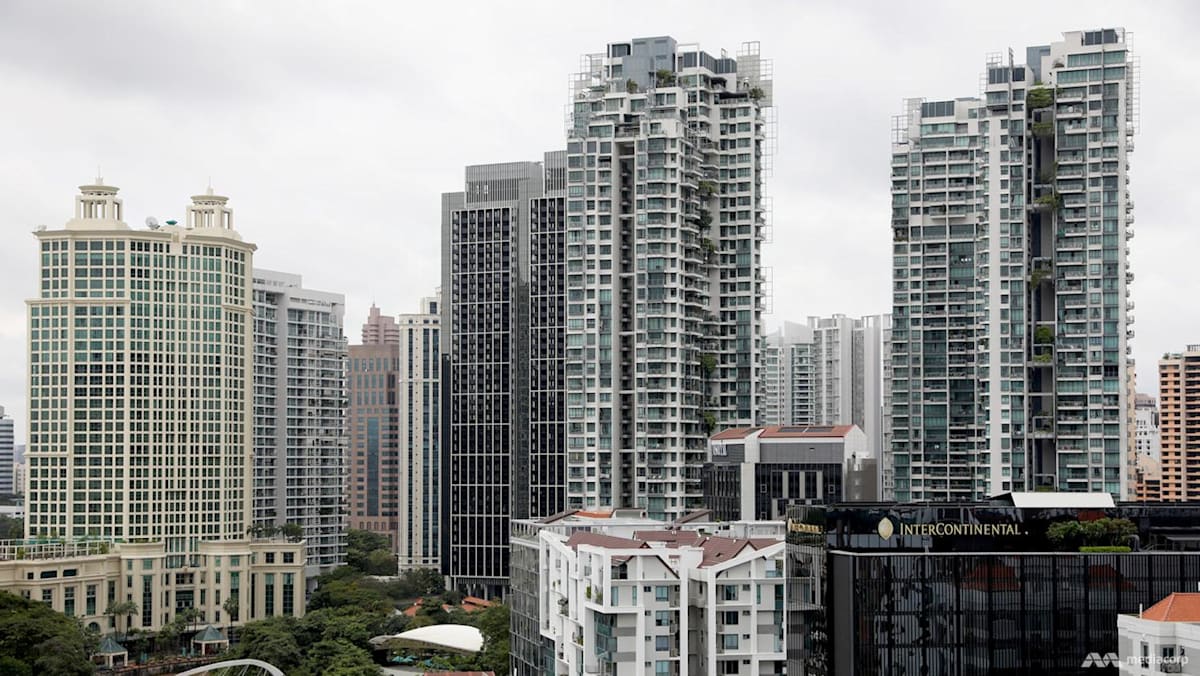
This change directly impacts prominent developments such as Neptune Court in Marine Parade, where individual owners hold 752 units while the land and common areas remain under the Ministry of Finance. Previously, such projects required flat leases of at least 850 years to qualify for majority-consent rules, but the enhanced regime lifts this restriction to include shorter lease durations.
For strata-titled commercial buildings, industry players view the amendments as a potential game changer. However, market analysts remain measured about whether the reforms will spark a widespread en bloc frenzy.
“Developers will continue to compare collective sale sites against Government Land Sales opportunities.”
Mr Sandrasegeran, via Channelnewsasia
While executives like ERA Singapore chief executive Marcus Chu noted that the adjustments could turn the spotlight back
on collective sales—particularly when paired with recent extensions to developers’ Additional Buyer’s Stamp Duty remission timelines for mega projects—analysts point out that lease top-up premiums, demolition costs, and complex site conditions will keep developers selective. The Bill heads to its second reading at the next available parliamentary sitting.
Related reading

Warren Buffett Steps Down As Berkshire Hathaway Chairman
Warren Buffett is stepping down as chairman of Berkshire Hathaway, capping six decades at the helm of the...

Chiltern Railways Nationalised Under Great British Railways to Boost Capacity
Chiltern Railways will become the tenth rail company nationalised under Great British Railways on Sunday, bringing the operator...

Vodacom, Kenya government appeal ruling threatening $1.6 billion Safaricom stake deal
Kenya's government and South Africa's Vodacom Group announced plans to appeal a High Court ruling on September 15,...