
When Professor Kithure Kindiki took the oath of office as Kenya’s deputy president in November 2024, President William Ruto praised him as a patriot whose dedication to national unity was beyond reproach, according to reports detailing the initial swearing-in. Ruto described his new deputy as an effective champion of peace and security across our country, and a loyal steward of the bottom-up economic agenda
. Yet that early confidence now runs headlong into mounting regional pressures and shifting political alliances.
Mount Kenya slips increasingly toward former deputy Rigathi Gachagua, while leaders from Western Kenya apply steady pressure for a share of the deputy presidency.
Public Opinion and Voter Preferences in the 2026 Infotrak Survey
A nationally representative public opinion survey conducted between June 22 and June 26, 2026, by Infotrak Research and Consulting shows Kindiki holding a commanding lead as the preferred choice to deputise Ruto in the broad-based government. The survey encompassed 3,000 adults across all 47 counties using mixed-mode data collection, yielding a margin of error of plus or minus 1.79 per cent at a 95 per cent confidence level.
Kindiki emerged as the sole contender to surpass the 20-per-cent threshold, capturing 34 per cent of respondents who named him as their preferred running mate. Homa Bay Governor Gladys Wanga followed in second place with 11 per cent support, a showing that highlights the rising prominence of Orange Democratic Movement figures within the current administration. Siaya Senator Oburu Oginga ranked third with 5 per cent, followed by former Mombasa Governor Hassan Joho at 4 per cent and Kirinyaga Governor Anne Waiguru at 3 per cent.
| Potential Running Mate | Affiliation or Role | Survey Support |
|---|---|---|
| Kithure Kindiki | Deputy President | 34 per cent |
| Gladys Wanga | Homa Bay Governor | 11 per cent |
| Oburu Oginga | Siaya Senator | 5 per cent |
| Hassan Joho | Former Mombasa Governor | 4 per cent |
| Anne Waiguru | Kirinyaga Governor | 3 per cent |
Despite Kindiki’s lead, the survey underscores widespread voter hesitation. A full 37 per cent of respondents reported being undecided or unsure who should occupy the position, exceeding the individual support recorded for any single candidate outside of Kindiki.
Coalition Realignment Between the UDA and the Orange Democratic Movement
The polling backdrop coincides with structural realignments between President Ruto’s United Democratic Alliance and factions of the Orange Democratic Movement. Senior party figures from the opposition have integrated into Cabinet and other state positions under the broad-based governance model, reshaping party calculations ahead of the next General Election.
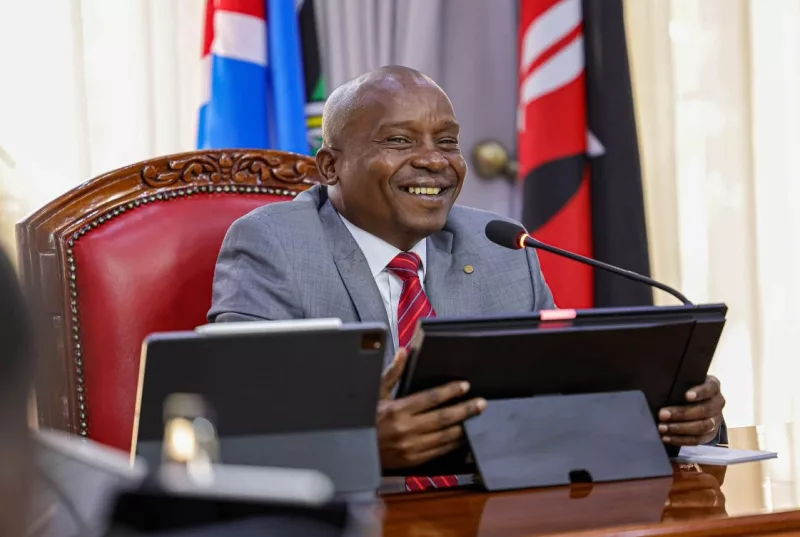
Internal discussions within the Orange Democratic Movement have already touched on power-sharing formulas. Senior leaders within the party have made clear their expectations for the upcoming national ballot.
Other senior figures have echoed demands for parity within the coalition framework. Party representatives emphasize that coalition negotiations must address leadership distribution directly rather than leaving secondary slots unaddressed.
Party discussions have also floated alternative internal contenders should negotiations expand, with leaders noting that several senior officials possess the standing to step into national executive roles.
Strategic Calculations for the 2027 General Election
As political parties prepare for formal coalition bargaining, the deputy presidential slot remains a central bargaining chip. The arrangement must reconcile competing regional, ethnic, gender, and partisan interests to preserve stability within the governing coalition.
Kindiki continues to maintain a visible profile by touring development projects alongside Ruto and spearheading government initiatives. Yet the emergence of figures like Gladys Wanga as viable alternatives ensures that coalition partners will press their advantage during forthcoming negotiations on policy frameworks and electoral line-ups.
- Teenager Faces Charges After Driving Stolen Car Wrong Way on M50
- India’s Cheetah Population Rises to 52 After Four Years of Project Cheetah
- President José Antonio Kast Faces Social Critiques at First Te Deum Ceremony (archyde.com)
- Stunning Debut Goal Puts Altötting’s Leipold in Running for Goal of the Month (world-today-news.com)
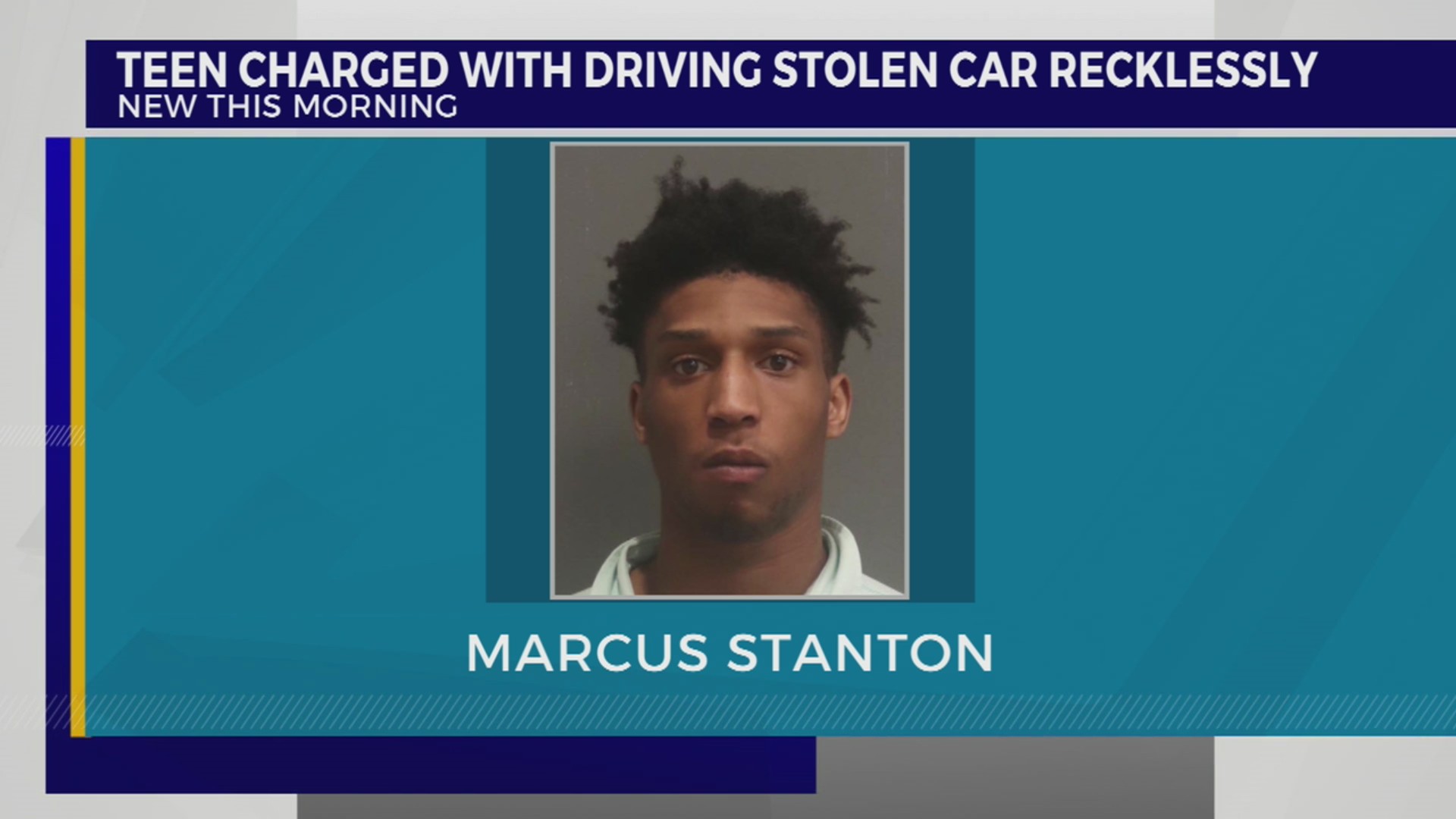
Teenager Faces Charges After Driving Stolen Car Wrong Way on M50
Two teenagers were arrested in Dublin following a high-speed pursuit on Thursday evening.
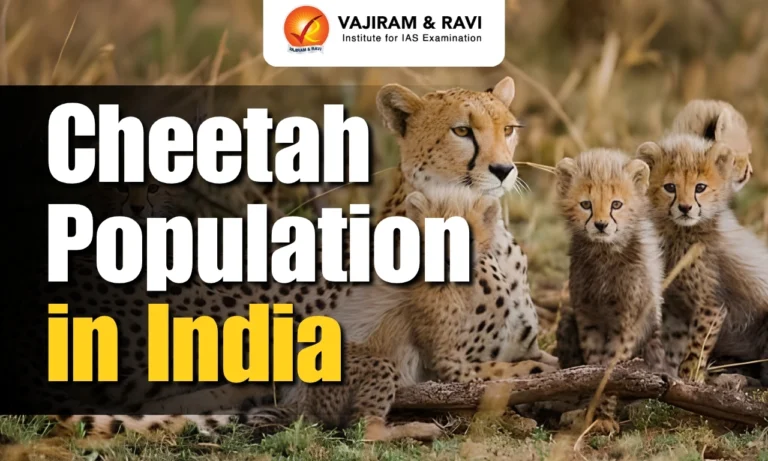
India’s Cheetah Population Rises to 52 After Four Years of Project Cheetah
India’s cheetah population has risen to 52 four years after the launch of Project Cheetah, marking the world’s...
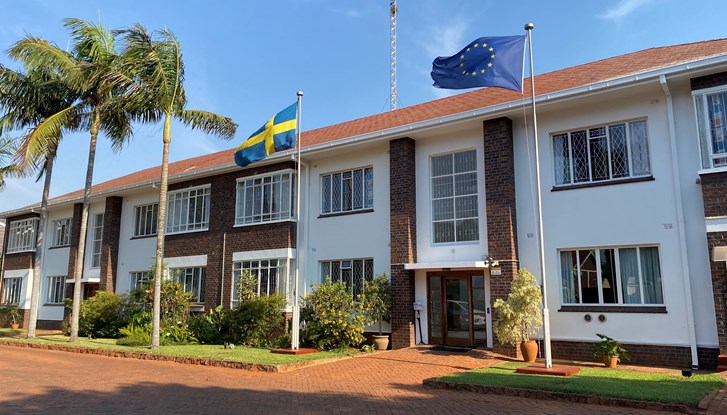
Netherlands to Close Embassy in Harare as Part of Global Restructuring
The Netherlands announced plans to close its embassy in Harare as part of a broader restructuring of its...
Manitoba Adopts Permanent Daylight Saving Time After Public Survey
Manitoba is officially ending twice-yearly clock changes after nearly 72,000 survey respondents overwhelmingly backed permanent daylight saving time,...