
By the time Tuesday’s “blue tsunami” washed in from the coasts and reached South Dakota, it had shrunk to a ripple. State Democrats added four legislative seats, moving from eight to 12 in the 105-member Legislature, South Dakota Searchlight reported. It marked the first time in 18 years that Democrats have gained ground in Pierre.
Yet the numbers tell a story of two waves moving in opposite directions. While Democrats celebrated their legislative gains, Republicans extended another streak: it has now been 18 years since a Democrat won any statewide office in the Mount Rushmore State, and they lost every one of those races again Tuesday. South Dakota remained Republican red at the top of the ticket even as Democrats added four legislative seats in the lower chambers.
The sobering footnote to Tuesday’s results sits in the turnout figures. Just 49% of eligible voters cast ballots, the worst participation in any South Dakota general election since at least the 1960s. That historically depressed enthusiasm means Democrats made meager gains only when fewer than half of the electorate bothered to show up. It is hardly a foundation for a comeback.
From 38 Seats to 8, Then Back to 12
To understand how bleak things had become, look back to 2008. Democrats were briefly riding high that year, with voter registrations peaking above 200,000. Barack Obama carried the presidency, and two of South Dakota’s three congressional delegation members were Democrats. In the Legislature, Democratic numbers rose from 35 to 38, according to legislative records from that session.
But the seeds of collapse had already been planted. Senator Tim Johnson suffered a cerebral arteriovenous malformation in 2006 and won reelection in 2008 while enduring stroke-like symptoms, only to step aside in 2014, opening the door for Republican Mike Rounds. The financial crisis that Obama inherited sparked a backlash against bank bailouts, fueling the tea party movement nationally. At home, Kristi Noem’s two-point victory over Representative Stephanie Herseth Sandlin in 2010 launched a Republican rocket that has not slowed since.

Since 2008, Democrats have lost every statewide race. Donald Trump has won South Dakota three times. Democratic voter registrations have plummeted so far that they now trail the combined total of independents, minor-party members, and unaffiliated voters. The eight Democrats who held seats before Tuesday represented the party’s smallest legislative delegation since 1953.
The 49% Problem
Tuesday’s 49% turnout complicates any narrative of a Democratic resurgence. Historically, South Dakota Democrats have won the governor’s mansion during national crises: two of the state’s five Democratic governors were elected during the Great Depression, and another won during the Vietnam War and Watergate era. The current moment is bleak in its own way, with 7% mortgage rates, $6 diesel, $4 gasoline, tariff-driven disruptions to the farm and ranch economy, and spiraling health insurance premiums pinning blame on the Trump administration.
Yet with fewer than half of voters participating, the electorate that did show up was not necessarily representative of a groundswell. The low turnout suggests apathy or disengagement as much as enthusiasm.
Sioux Falls Sprouts in a Republican Garden
Where Democrats did find traction, it clustered in the state’s largest city. Republicans had already secured 52 of the Legislature’s 105 seats before Tuesday simply because Democrats failed to field candidates in many districts. But in Sioux Falls, a cluster of Democratic candidates rose like stubborn weeds, winning 10 seats in the metro area. That geographic concentration offers a potential path forward: turning those 10 winners into a broader bench, spreading outward from the city to grow Tuesday’s ripple into at least a modest wave.

The McGovern Blueprint
For a historical template, Democrats might look to the 1950s. Ralph Herseth won the governor’s mansion in 1958 amid a party rebuilding led by George McGovern, who took over the state party as executive secretary in 1953 when Democrats held just two legislative seats. By 1959, McGovern was in the U.S. House, Herseth occupied the Governor’s Mansion, and Democrats held a majority in the state Senate. The rebuild was not magic but grinding, day-to-day recruitment of candidates and voters.
Whether Tuesday’s four-seat gain, the first in 18 years, provides a solid base for further Democratic success remains the open question. With turnout at historic lows and statewide offices still out of reach, South Dakota Democrats have a ripple. What they do not yet have is a tide.
Related reading
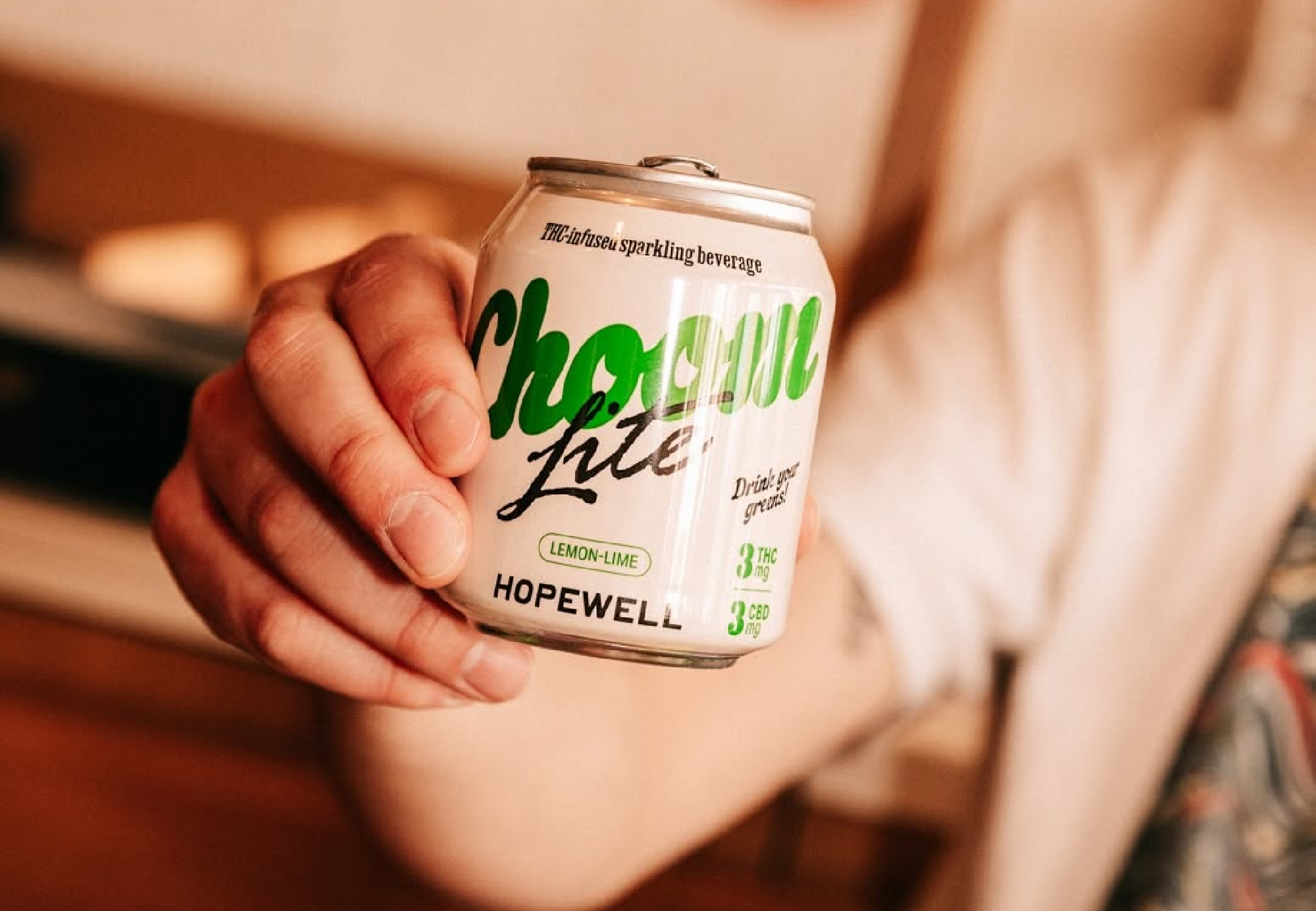
Chicago Breweries Rush to Sell Hemp THC Drinks Before Nov 12, Dec Ban
CHICAGO — If you walk into Hopewell Brewing Company in Logan Square this week, you'll find hemp-derived THC...

Nithya Raman Pulls Ahead of Karen Bass in Tight Los Angeles Mayoral Race
In the nation's second-largest city, challenger Nithya Raman has pulled ahead of incumbent Mayor Karen Bass in the...

Louisville voters reject extension of historic preservation sales tax for 2029–2038 (unofficial 2026 results)
In a result that will reshape how this Boulder County city pays for its own history, Louisville voters...

UAMS surgeon Dr. James Yee Suen dies in Little Rock, AR; funeral at Ruebel Funeral Home
"I think I ate more than I sold." That was Dr. James Yee Suen's own accounting of his...