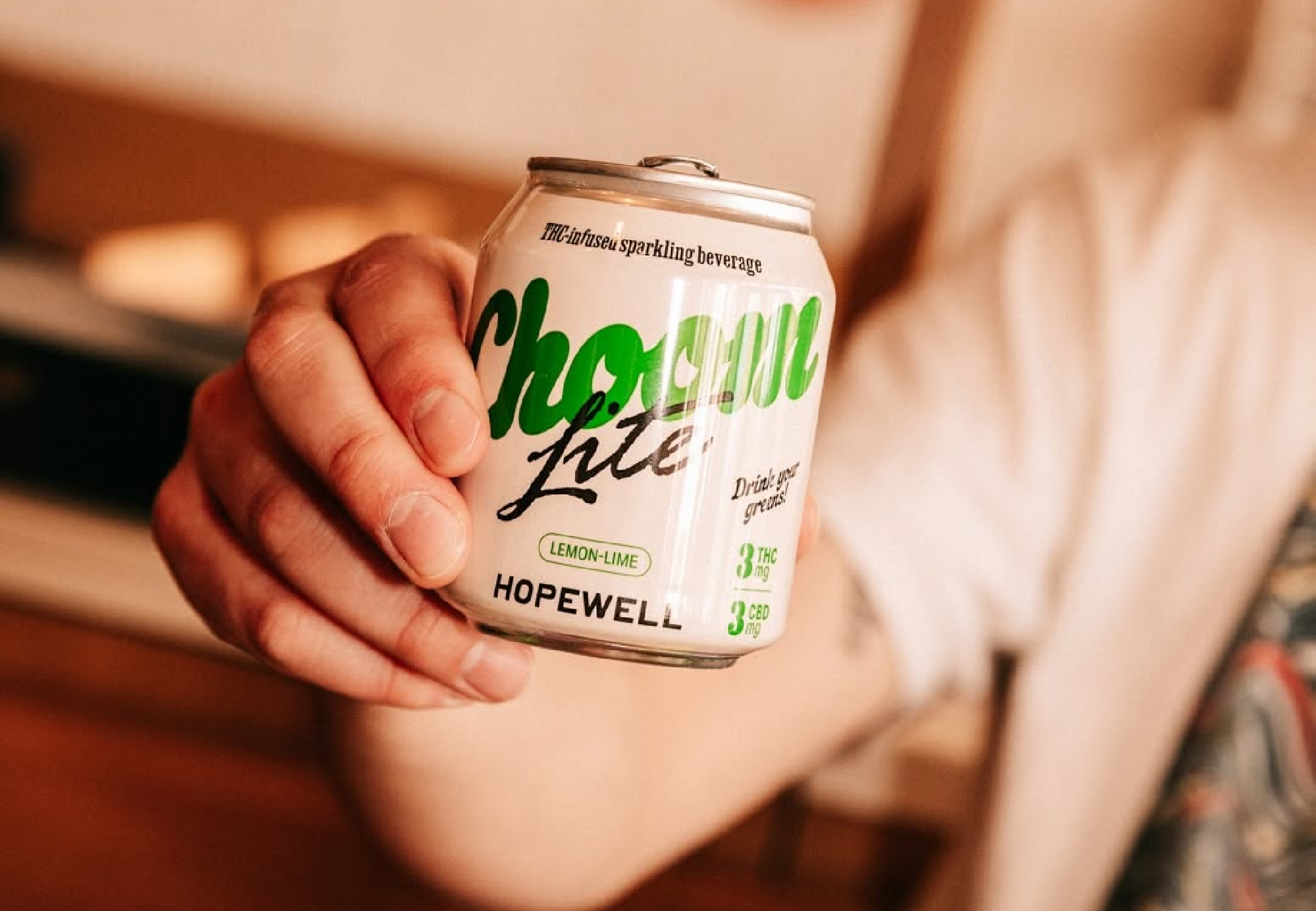
CHICAGO — If you walk into Hopewell Brewing Company in Logan Square this week, you’ll find hemp-derived THC beverages flying off the shelves on buy-one-get-one deals. At Revolution Brewing in Avondale, the promotion is the same. Inside Binny’s Beverage Depot at 2409 N. Elston Ave., a hand-lettered countdown sign warns shoppers how many days remain before every THC drink on the shelf must be marked down and sold. Block Club Chicago reported that brewers across the city have ceased production entirely, perhaps for good, as a new Illinois law takes effect on November 12, 2026, restricting all THC beverages to licensed cannabis dispensaries only.
This isn’t a minor regulatory adjustment. For Chicago craft breweries weathering a shrinking beer market, THC drinks became a crucial revenue stream—at Hopewell, they made up 20 to 25 percent of the business. Now that lifeline is about to be cut, and the brewers who turned to these beverages to stay afloat are bracing for the impact.
How a Farm Bill Loophole Built a Beverage Market
The market for these drinks exists because of a quirk in the 2018 Farm Bill, the federal agriculture law that legalized hemp farming nationwide. Hemp and cannabis are the same plant species, and both contain delta-9 THC, the compound that produces intoxication. The Farm Bill required hemp products to contain no more than 0.3 percent delta-9 THC on a dry weight basis—a threshold lawmakers assumed was too low to get anyone high. Cannabis plants typically test much higher, sometimes reaching 30 percent.
Time is running out for THC beverages in Illinois — and breweries are selling them fast https://t.co/SXTG43ZQRB pic.twitter.com/CxtoubdvI4
But manufacturers figured out how to concentrate the THC, creating beverages and gummies that deliver a buzz while technically complying with the letter of the law. When Illinois legalized cannabis in 2020, the market exploded. Chicago breweries like Revolution, Hopewell, and Marz Community Brewing jumped in, offering customers a way to buy THC drinks as easily as a six-pack of beer, without visiting a dispensary.
States and Federal Rules Tighten THC Regulations
That accessibility is now ending on two fronts. Under the Illinois law taking effect November 12, hemp-derived THC drinks will be treated the same as cannabis and sold only in licensed dispensaries. Then, in December, a federal ban is scheduled to take effect after President Donald Trump signed legislation closing the hemp loophole by changing the legal limit to no more than 0.3 percent total THC concentration and no more than 0.4 milligrams of total THC per container—limits that Chicago-made beverages exceed. Congress delayed that federal ban by a month over the summer, but it is still set to begin before the end of the year.
Taken together, local producers say the combination will deal a fatal blow to the category.
“It will completely eliminate the THC beverage category, which many consumers have safely integrated into their routines,” said Jonathan Fritz, co-founder of Hopewell Brewing Co. “It also creates major disruption for those who have been responsibly producing and selling these products while advocating for regulation over prohibition. Our state legislators have failed us on this issue, and this decision will directly impact our business and many others.”
Ed Marszewski, co-owner of Marz Community Brewing Co., which was an early adopter of CBD and THC drinks, put it more bluntly.
“We are prepared for it to be over,” said Ed Marszewski, co-owner of Marz Community Brewing Co., an early adopter of CBD and THC drinks. “There’s no market for our beverages in the dispensaries. We’ve tried, but it doesn’t work.”
Josh Deth, owner of Revolution Brewing, which launched its THC beverage Reverb last year and will halt sales at its brewery after Sunday, said many customers don’t yet grasp why the drinks are disappearing.
“On one hand, we are proud to have developed a new product line of adult beverages that resonated with customers and showed that low-dose THC beverages can be sold just like alcohol,” Deth said. “However, now, a lot of our customers don’t understand why the General Assembly and Governor are pulling these drinks off retail shelves in our state.”
The Political Back-and-Forth
The path to this moment has been winding. At least two Chicago alderpeople have banned hemp products in their wards. The City Council voted on January 21, 2025, to ban most hemp-derived THC products—though it carved out an exception for beverages—but Mayor Brandon Johnson vetoed that ban the following month. Meanwhile, critics of the hemp-derived market have argued that the products are too easy to purchase and deliberately targeted at underage children.
Ed Marszewski said local producers have consistently advocated for stricter rules—third-party testing, strict 21-plus age restrictions, and taxation to fund public services—rather than prohibition. Yet he noted that public awareness remains low, especially during election season, making it difficult to rally opposition across the state. “Unfortunately, consumers might only start paying attention once the products disappear from the shelves,” he said.
Governor JB Pritzker’s office did not respond to a request for comment, but previously stated that the federal delay only happened because Trump caved to special interests.
What Happens After November 12
For now, the shelves tell the story. Binny’s posted a note alongside its countdown sign: “We’re marking down all THC beverages in stock, so buy now while they’re available. We hope common sense reforms will allow the return of popular alcohol alternatives in the near future.”
But after November 12, those shelves will empty. And when the federal ban kicks in during December, the legal framework that allowed these drinks to exist at all will close. Whether the products can survive in dispensaries, or whether this industry simply evaporates, remains the question no one in Springfield has answered yet.
Related reading

Governor Newsom Appoints 23 Superior Court Judges Across California
Twenty-three. That is how many Superior Court judges Governor Gavin Newsom put on the bench Wednesday in a...
Bachelor of Arts in Journalism at ASU | Cronkite School of Journalism
More than 1 million households across Arizona tune in to live evening newscasts produced by Arizona State University...

Arkansas Democrats Break Republican Supermajority in State House
Ten seats. Democrats flipped 10 Arkansas House seats on Tuesday night, breaking the supermajority Republicans have held for...

Mary Peltola leads Dan Sullivan in Alaska Senate race as results take weeks
Alaska's U.S. Senate race remains unresolved one day after the midterms, with Democrat Mary Peltola holding a lead...