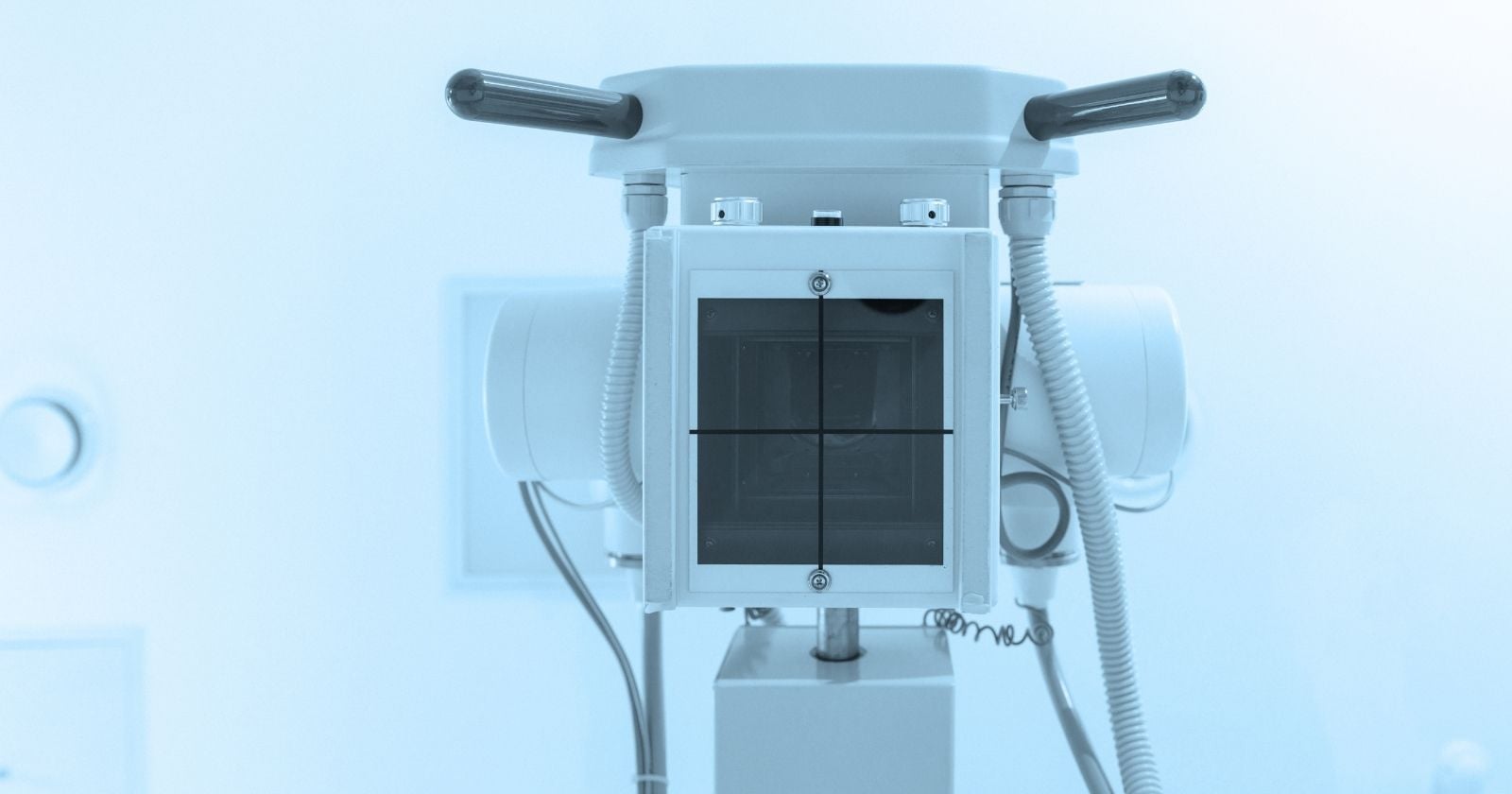
On March 31, 2025, the all-civilian crew of the Fram2 mission successfully captured the first diagnostic radiographs ever produced in space. Flying aboard the SpaceX Crew Dragon Resilience, the four-person crew utilized a commercial off-the-shelf, wireless radiography system to image their own bodies and a piece of mission hardware, marking a significant milestone for the future of off-planet emergency medicine. The findings, published this month in the Radiological Society of North America (RSNA) journal *Radiology*, demonstrate that diagnostic-quality imaging is achievable in microgravity, even when performed by non-physicians with minimal training.
Mission Parameters and Methodology
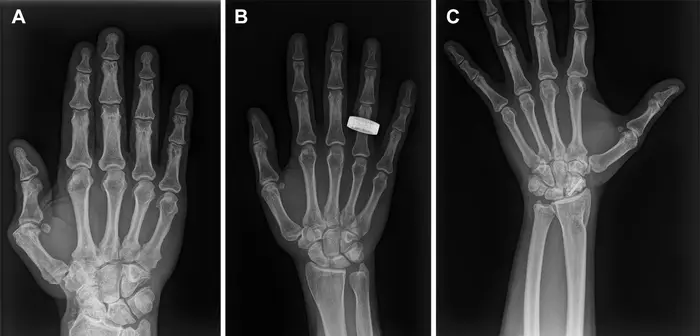
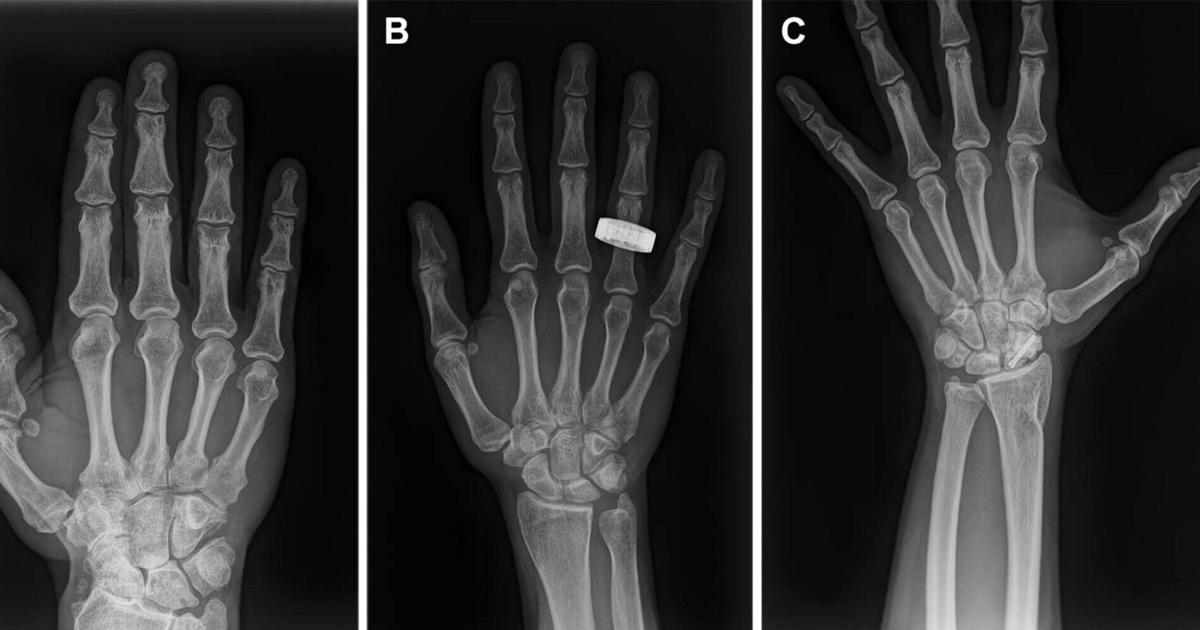
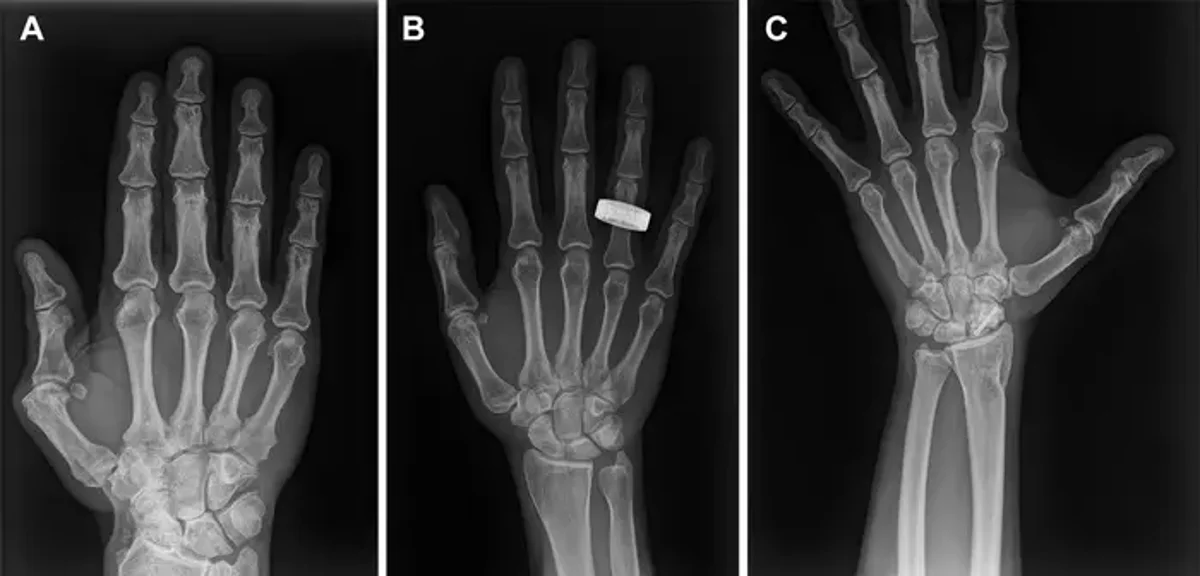
The Fram2 mission was the first human spaceflight to complete a 90-degree orbit, traveling directly over the Earth’s north and south poles at an altitude of approximately 425 to 450 kilometers. The flight lasted three days and 14 hours. The crew consisted of commander Chun Wang, vehicle commander Jannicke Mikkelsen, pilot Rabea Rogge, and mission specialist Eric Philips. To conduct the experiment, the crew carried a compact, wireless MinXray Impact Wireless generator paired with a flat-panel digital detector—a device roughly the size of a briefcase. Before the flight, three of the four crew members received four hours of training on the equipment. Crucially, the crew performed the imaging in orbit without live guidance from ground-based flight surgeons. The subjects imaged included the crew members’ hands, forearms, chests, abdomens, and pelvises, as well as a phantom calibration target and a smartwatch, which served as a stand-in for equipment inspection. Upon the crew’s return to Earth, independent radiologists compared the space-based images to preflight scans.
Diagnostic Accuracy and Performance
The study concluded that the in-flight radiographs were equivalent to preflight images in terms of overall quality, spatial resolution, and contrast resolution. Every image produced was rated as diagnostic. While the system performed well, the study noted that positioning for chest, abdomen, and pelvis views proved more challenging in microgravity than on Earth, resulting in slightly lower scores for those specific images. Despite these difficulties, the hardware itself remained robust; the generator returned to Earth with only superficial damage to its housing, and its internal X-ray output remained unaffected.
Addressing the Medical Gap in Deep-Space Exploration
The implications of the Fram2 experiment are tied to the long-term goals of human space exploration, including planned missions to the Moon and Mars. Current medical capabilities on the International Space Station (ISS) rely heavily on ultrasound technology. While the ISS has operated without diagnostic X-rays for 25 years, it maintains a safety net that deep-space missions cannot: the ability to evacuate a sick or injured crew member to Earth within hours. “It’s been a dream for aerospace medicine to have more than one imaging modality for diagnosing illnesses and injuries in space,” said Dr. Sheyna Gifford, the study’s lead author and an assistant professor of aerospace medicine at the Mayo Clinic. For a lunar or Mars mission, such an evacuation is not possible, making the capability to perform independent, on-site diagnostics a critical requirement for crew survival.
Dual-Use Applications for Hardware
Beyond human health, the Fram2 experiment demonstrated the potential for using radiography to maintain mission-critical equipment. The inclusion of a smartwatch in the testing protocol was intentional, serving as a surrogate for complex electronics or space suit components that may require inspection. “A spaceflight-ready radiography system would have profound implications not only for crew health but also for mission-critical nonmedical tasks,” Gifford stated. “For sustained human presence in space, X-rays are critical not just for crew members but also for other mission components like electronics and spacesuits. The only way to look inside these objects without taking them apart is to X-ray them.”
Find more reporting in our Science section.
Related reading

Microraptor was a very small, feathered dinosaur with wings on its legs as well as its arms
Discovered in northeastern China, Microraptor is a diminutive, feathered dinosaur renowned for its four wings and shimmering plumage,...
SpaceX Launches Starfall Return Capsule for Second Time
SpaceX launched the uncrewed Starfall reentry capsule for the second time on October 20, 2026, from Cape Canaveral...

Orionid Meteor Shower Peaks October 21-22, 2026
The annual Orionid meteor shower reaches its peak during the pre-dawn hours of October 21-22, 2026.
Researchers Validate Space-Based Methane Detection
Researchers have completed the largest controlled test of space-based methane monitoring, publishing results in October 2026 showing that...