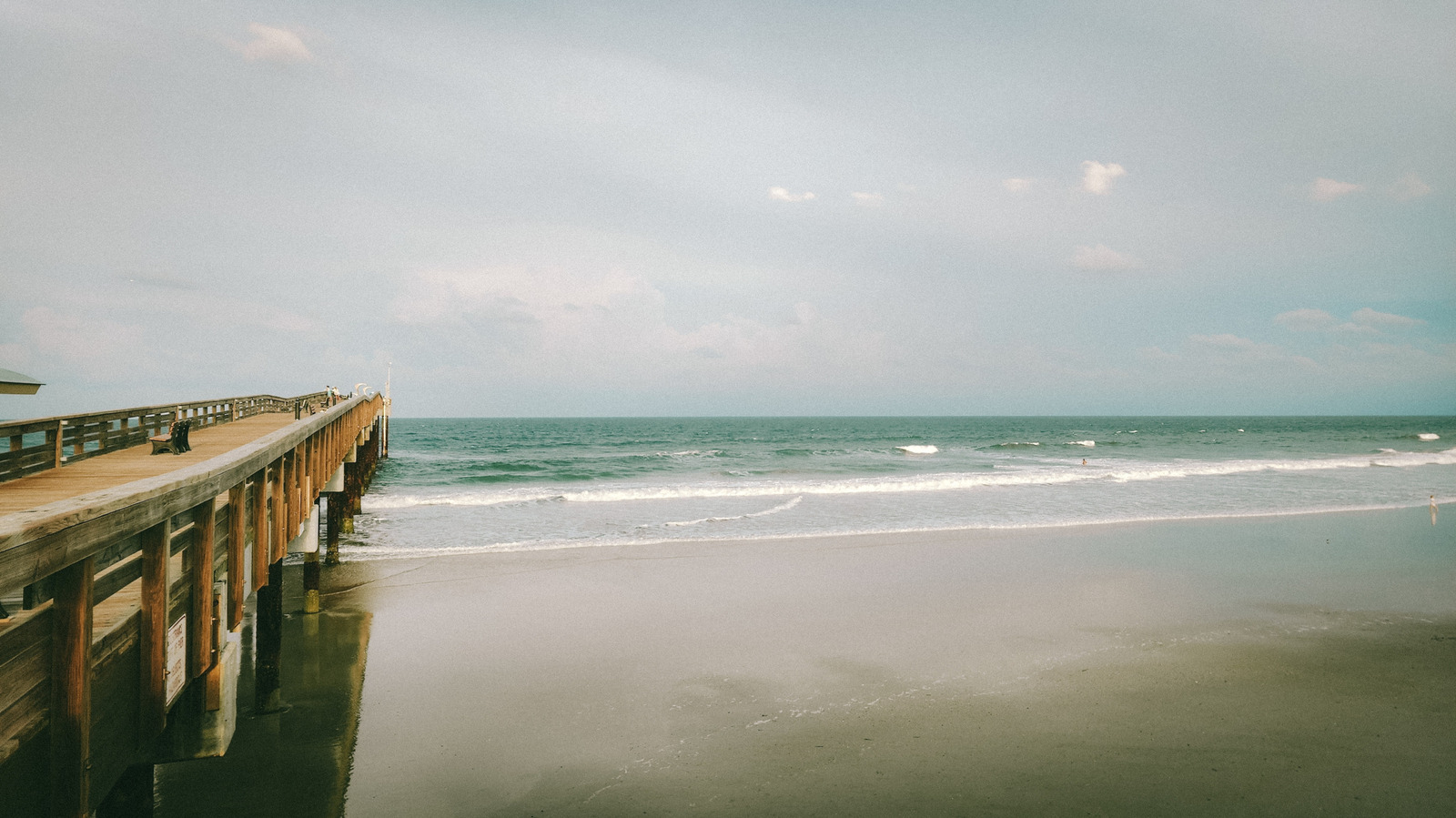
St. Johns County just outside Jacksonville has been named the top Florida county to live in for 2026, according to new rankings from Niche that also place it 31st nationally among 2,740 counties for retirees.
The data, reported by Islands, shows the county swept the platform’s Florida categories for best places to live, best outdoor activities, and healthiest counties overall. More than a dozen 55-plus residential communities and a network of senior centers offering activities and hot meals anchor the retirement infrastructure, though the region remains largely car-dependent outside a few walkable neighborhoods.
“It is such a great place to make friends and be active,” a local resident told Islands. “It gives me such a sense of closeness that not a lot of places have anymore.”
The county seat, St. Augustine, bills itself as America’s oldest city. At the northern edge of town, Fort Mose Historic State Park preserves the site of the first legally sanctioned free settlement for formerly enslaved people in what became the United States.
An observation boardwalk extends over the Tolomato River wetlands; one Google reviewer described it to Islands as a “lovely, peaceful” stroll with “lots of birds and some animal tracks.”
Twenty miles south, Faver-Dykes State Park hugs Pellicer Creek. Its nature trail runs under a mile and includes a boardwalk winding through tree canopy to the water, offering kayaking, hiking, and birding access that feels far removed from the Interstate corridor.
Anastasia State Park sits on the northeastern tip of Anastasia Island within St. Augustine city limits. The park covers hundreds of acres of beach, tidal marsh, and dunes along Salt Run and serves as a stop on the Great Florida Birding and Wildlife Trail. Painted buntings, roseate spoonbills, and black skimmers are regularly recorded there.
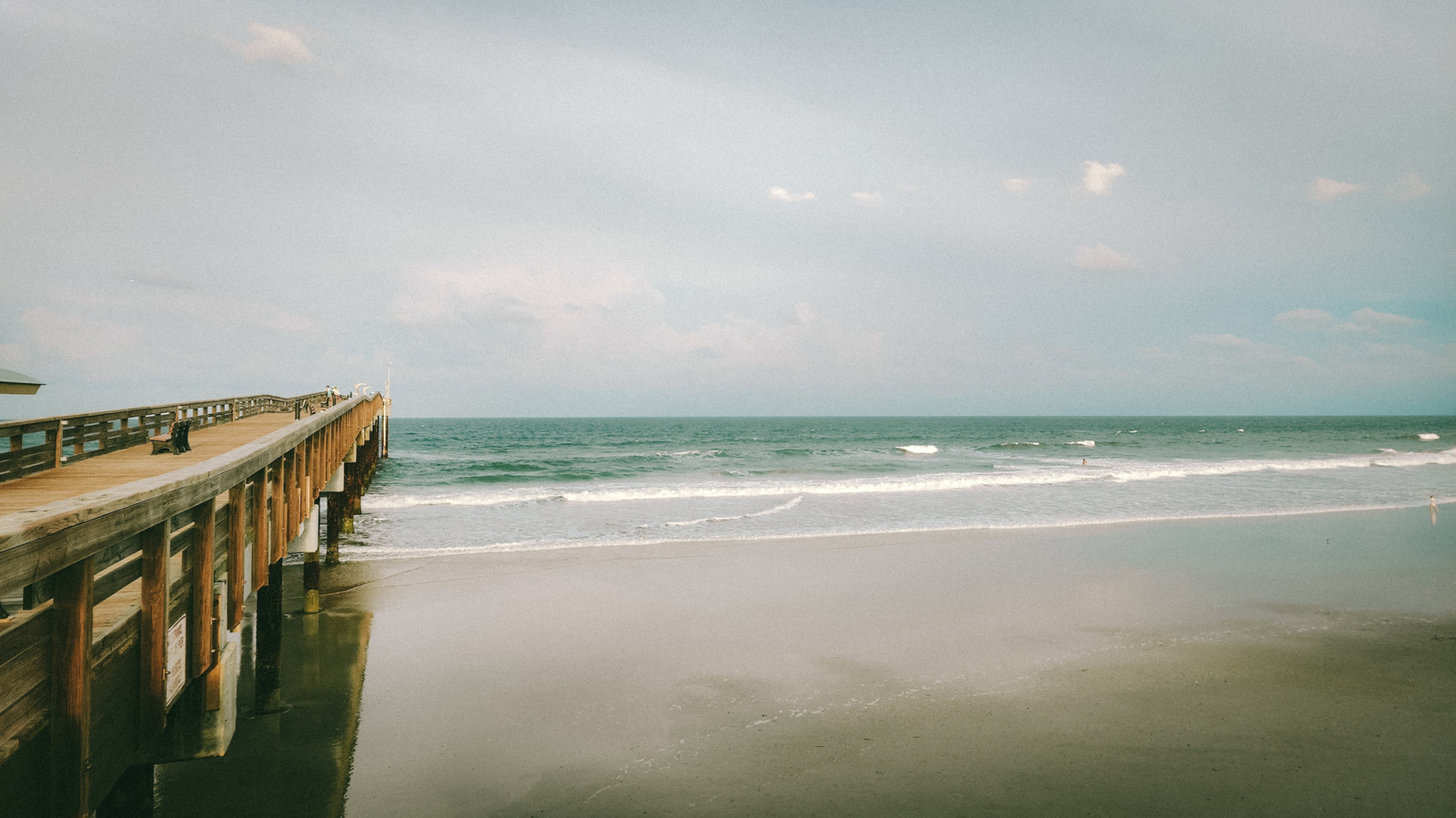
Just south, the St. Johns County Ocean Pier stretches 1,300 feet into the Atlantic at St. Augustine Beach. It closed for repairs in May 2026 with an expected reopening by the end of November 2026, according to Islands.
Crescent Beach, named for its curved shoreline at the south end of Anastasia Island, offers a quieter stretch with covered picnic areas. The county permits vehicles on designated sections of beach, a factor visitors should check before driving onto the sand.
Northeast Florida’s subtropical climate delivers summer highs routinely around 90 degrees Fahrenheit and mild winters punctuated by occasional cold fronts. Islands notes the region sits in one of the country’s most hurricane-prone corridors, a risk calculus that anyone considering a permanent move has to weigh against the lifestyle rankings.
St. Johns County was one of Florida’s two original counties, created on July 21, 1821, just days after the United States took possession of the territory from Spain; it once sprawled across more than 39,000 square miles — most of the peninsula — before later subdivisions reduced it to its current 601 square miles of land.
Proximity to Jacksonville — Florida’s largest city and a major transportation hub — puts urban amenities and a major airport within reach. But the car-dependent development pattern means daily errands often require a drive, a friction point for retirees who eventually stop driving. Walkable pockets exist, but they are the exception rather than the rule across the county’s 600-plus square miles.
Keep reading
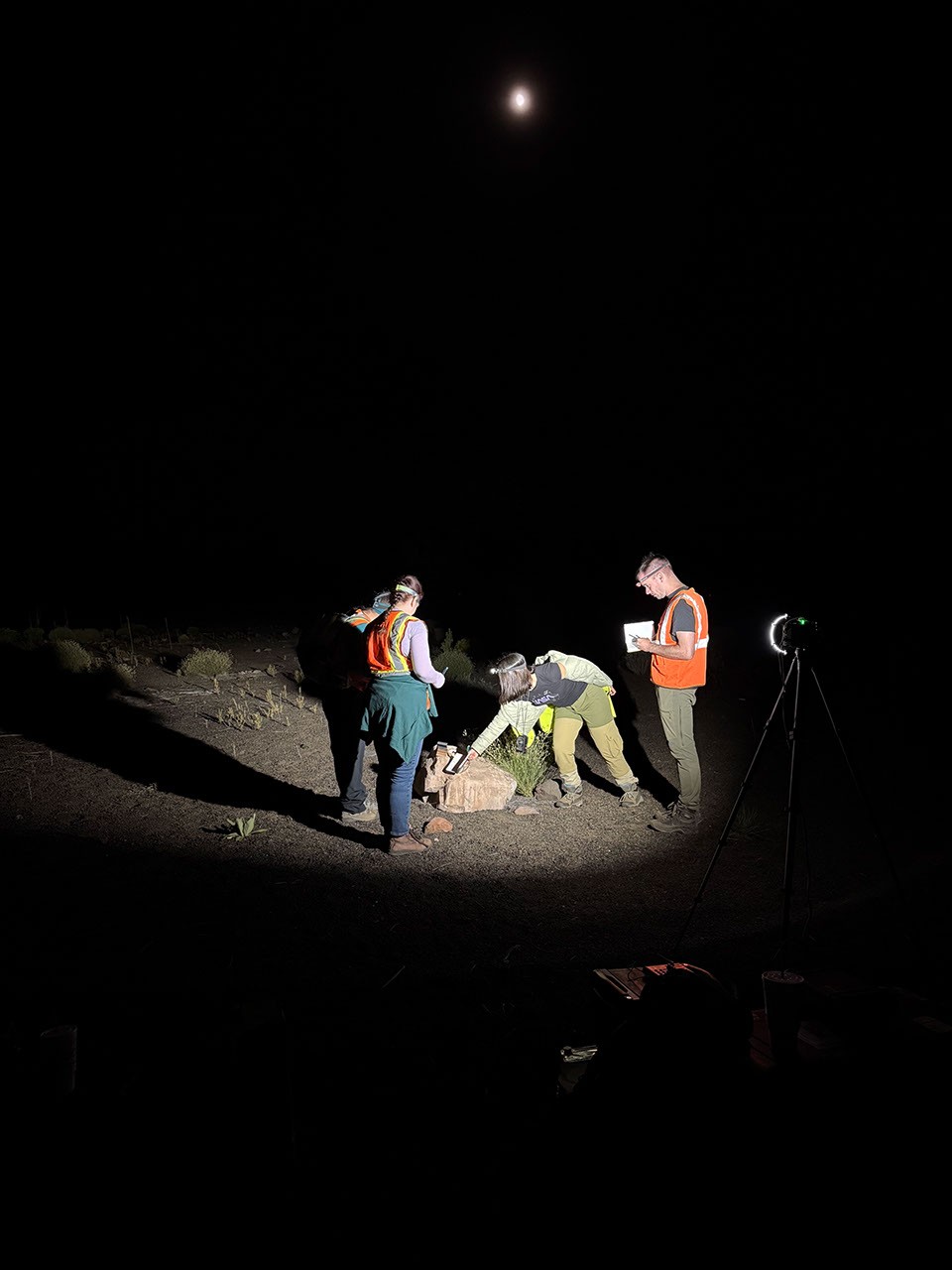
NASA Tests Moon, Mars Exploration Tools in Arizona Field Campaign
NASA scientists spent September turning northern Arizona into a dress rehearsal for the Moon and Mars, dragging radar...

Judge Dismisses JPMorgan Suit Against Richmond, Allows Swap Claims to Proceed
A federal judge in New York dismissed JPMorgan Chase's lawsuit against the City of Richmond on Monday, clearing...

Mass. High Court to Hear Lindsay Clancy Appeal Seeking to Throw Out Triple Murder Case
"This Appeal will address whether a defendant has a double jeopardy clause protection against facing the perils and...

Coach Minter: Marlon Humphrey Deactivated for Panthers Game After Podcast Comment
Baltimore Ravens cornerback Marlon Humphrey was sent home from the team facility Thursday and will be inactive for...