For more than two decades, Georgia’s governor’s office has been Republican territory. On Tuesday night, that streak ended. Keisha Lance Bottoms, the former Atlanta mayor, became the first Black woman elected governor of Georgia and the first Democrat to win the office since 1998, according to NPR and PBS News. The victory capped a midterm sweep for Georgia Democrats that also saw Senator Jon Osoff fend off Republican challenger Mike Collins and delivered wins for attorney general, secretary of state, and the state house.
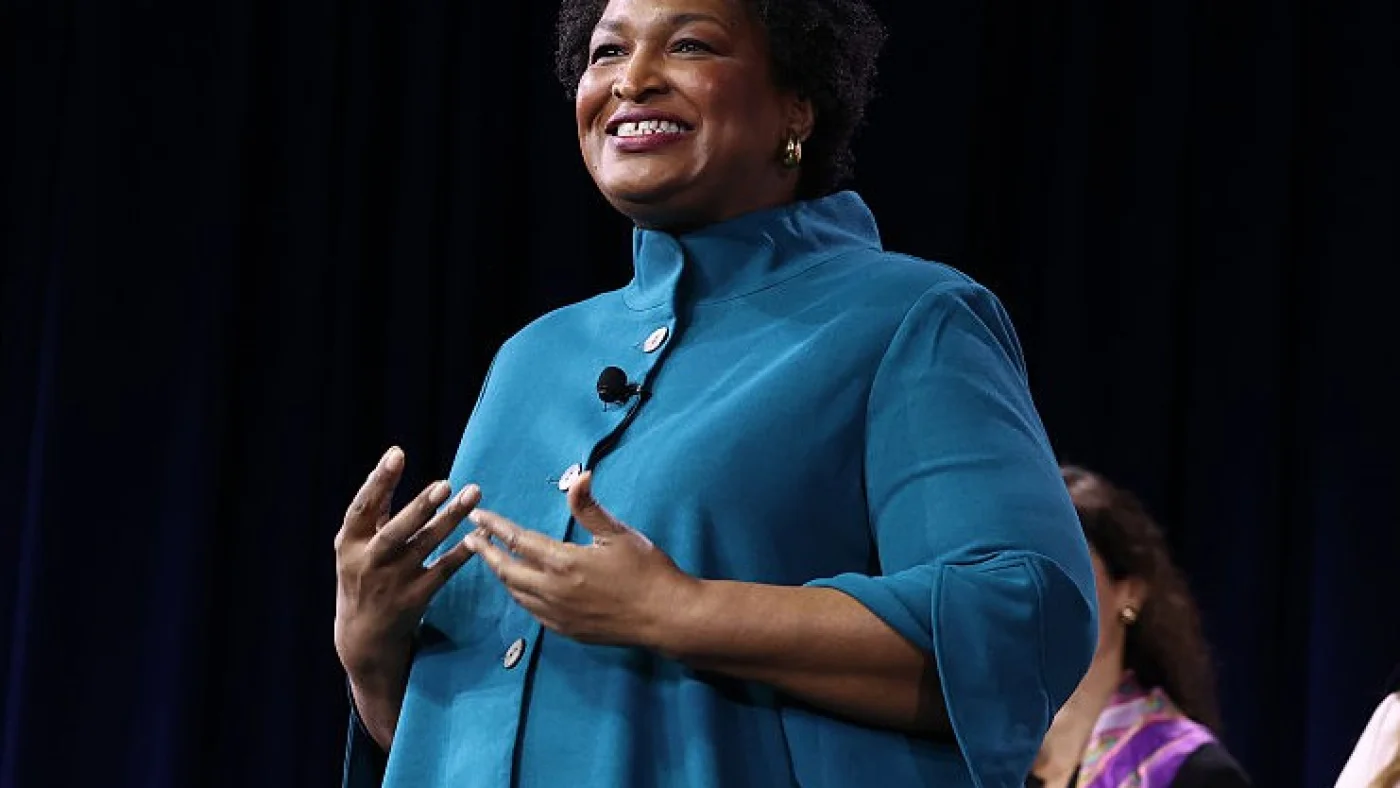
Georgia Democrats won decisive results in important state and local elections, such as the first Democratic governor in over 20 years, breaking from recent trends in the state’s politics. When Stacey Abrams ran for governor in 2018 and again in 2022, she lost both times to Brian Kemp. Speaking to NPR’s Michel Martin, Abrams framed the results as the payoff for sustained work rather than a single election: now that Democrats hold the governor’s office plus other statewide posts, she said, “us an opportunity to start correcting and restoring rights that we’ve seen lost across the South for more than 20 years.”
A $200 Million Spending Gap Didn’t Matter
Bottoms’ victory came despite one of the most lopsided financial matchups in modern state politics. PBS News reported that her Republican opponent, businessman Rick Jackson, tapped more than $200 million of his own fortune to fund his campaign. Bottoms, by contrast, ran a campaign focused on economic relief and resistance to federal policies from the Trump administration. She called for expanding Medicaid to cover hundreds of thousands more Georgians, raising the state minimum wage to $15 per hour, and repealing Georgia’s abortion ban after six weeks of pregnancy. On the campaign trail, she described the abortion restriction as “a life and death issue,” citing cases where women have died from pregnancy complications because physicians feared criminal prosecution.
The result also shattered a long-standing pattern in Georgia politics. Voters had historically been reluctant to elect an Atlanta mayor to the governor’s mansion, but the growth of the metro area has reshaped the state’s political map. Bottoms herself often downplayed the historic nature of her candidacy, instead emphasizing her family’s deep roots in the state. “I am at least a fifth-generation Georgian,” she told voters, noting that her grandfather moved to Atlanta from rural Georgia and had to “walk through these back doors” of downtown buildings she would later enter through the front as mayor.
What Abrams Built, and What Comes Next
Abrams’ influence on Tuesday’s outcome runs through Fair Fight Action, the organization she founded after her 2018 loss to combat what she describes as voter suppression. In her NPR interview, she said that work has been about rebuilding the Democratic Party and restoring public trust, which “takes time.” With each election cycle, she added, the effort has continued, and this outcome shows that “conversation and consistency pay dividends.” Democratic Underground’s roundup of the NPR report echoes that framing, noting Abrams played a vital role in paving the way for her party’s successes in her home state even without being on the ballot.
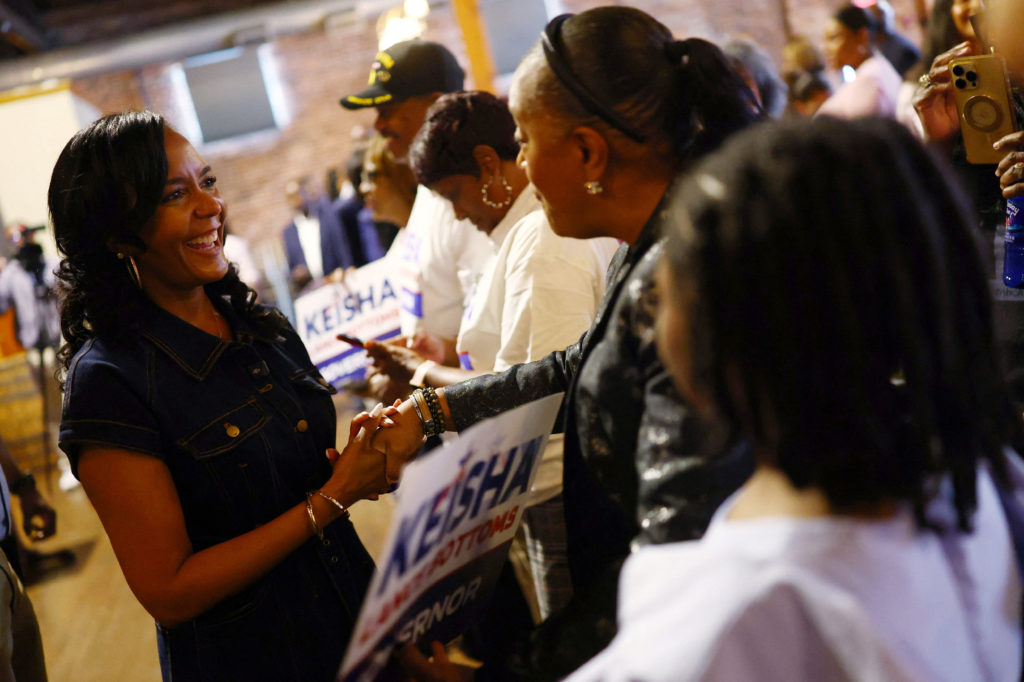
The Senate race added another layer of history. Osoff’s reelection means Georgia will send its first Jewish senator to Washington alongside its first Black senator, Raphael Warnock. Bottoms will take office facing a Republican-led legislature in some chambers, and her agenda includes pausing new data center development and halting additional automated Flock cameras used by law enforcement, positions that will test her ability to build coalitions in a state that remains politically competitive.
Stacey Abrams said the Democratic victories provide an opportunity to start correcting and restoring rights lost across the South for more than 20 years.
Stacey Abrams uses her star power to boost Democrats in Georgia and beyond. https://t.co/DEeBlTCJE5
Related reading
Barbie exhibition at Virginia Museum of History and Culture explores icon’s evolution
A Cultural Icon Takes Center Stage in Richmond For generations, the image of Barbie has been fixed in...
Bryce Alan Zundel, 66, dies leaving a legacy of family and work
The life of Bryce Alan Zundel, a man whose presence was defined by both a rigorous work ethic...

Austin Election Results: Key Propositions Pass and Fail
Austin voters have reshaped the city’s civic framework, greenlighting a suite of tax-funded infrastructure projects while simultaneously rejecting...

Marco Pierre White Method Uses Heat Transfer to Perfect Mushroom Risotto
The Mechanics of the Perfect Risotto For most home cooks, risotto is less a recipe and more a...