
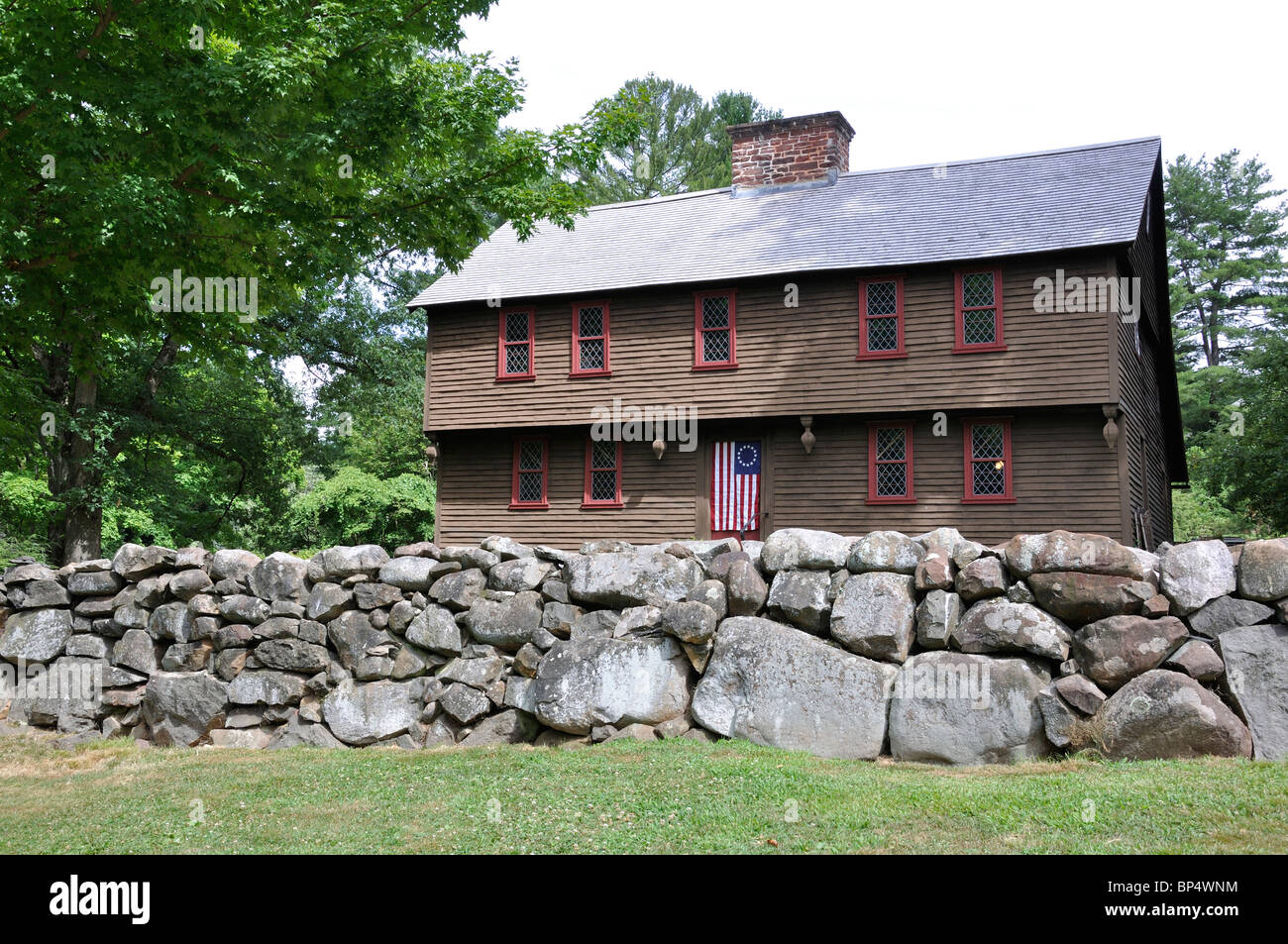
The Stanley-Whitman House in Farmington, Connecticut, stands as a preserved relic of the early 18th century and a stop on the state’s Haunted Historic Trail. Built between 1709 and 1720, the residence serves as a living museum that bridges the gap between modern New England and the rigid, often fearful world of Puritan settlers, as reported by WFSB.
For the casual visitor, the house is a lesson in colonial architecture and domesticity. But for those tracing the “haunted” aspect of the trail, the site is a study in the fragility of early American life. The house’s history is marked by the stark reality of the 1700s: a time when the praise of God existed in a constant, tense equilibrium with a visceral fear of Satan.
The Human Cost of Colonial Life
The museum doesn’t shy away from the grim statistics of the era. One of the earliest families to occupy the home, the Smiths, suffered a loss that was devastating then but statistically common for the time. Two young boys, Steel and Samuel, died within the house in 1729, passing away within weeks of each other.
“Early childhood death was common,” said Andy Verzosa, executive director of the Stanley-Whitman House.
This detail transforms the house from a mere architectural curiosity into a site of genuine human grief. It forces a realization that the “quaint” colonial aesthetic was built upon a foundation of high mortality and precarious health. The interior is furnished to recreate the atmosphere of three centuries ago, allowing visitors to see exactly where these families lived, prayed, and mourned.
Memento Mori and the Shadow of Witchcraft
The experience extends beyond the walls of the house to a nearby private cemetery. The name of the grounds, Memento Mori, is a blunt Latin reminder: “remember, you will die.” This isn’t just a poetic sentiment; it was a cultural mandate in the 1600s when Thomas Barnes founded the cemetery.
The grounds carry a darker civic weight through the history of Mary Barnes, wife of the founder. According to reports, Mary was among the last women in Connecticut to be hanged for witchcraft.
The museum preserves the folklore of the region, including the more eccentric tales of its residents. Andy Verzosa recounted the story of Captain Ebenezer Mix, who once spotted a tall white apparition in the cemetery late at night. After firing his guns at the figure, Mix discovered the following morning that he had actually shot his neighbor’s goose.

The Stakes of Preservation
Why does a haunted trail matter in 2026?
The Stanley-Whitman House remains open to the public Wednesday through Saturday, from noon to 4 p.m., offering a window into a world where the line between the spiritual and the physical was dangerously thin.
Keep reading

Falcons Injury Report: Robinson, Deablo, Bowman Jr. Miss Practice
The Atlanta Falcons are facing continued availability issues at multiple positions as they begin preparations for a Week...

ICE arrests in Florida surge as federal strategy favors local police
ICE arrests in Florida surged to new highs this summer, with around 29,000 people detained this year, according...

Trump signals potential end to Iran war as Pentagon prepares strikes
President Donald Trump is signaling a potential end to the conflict with Iran, but behind the campaign rhetoric,...
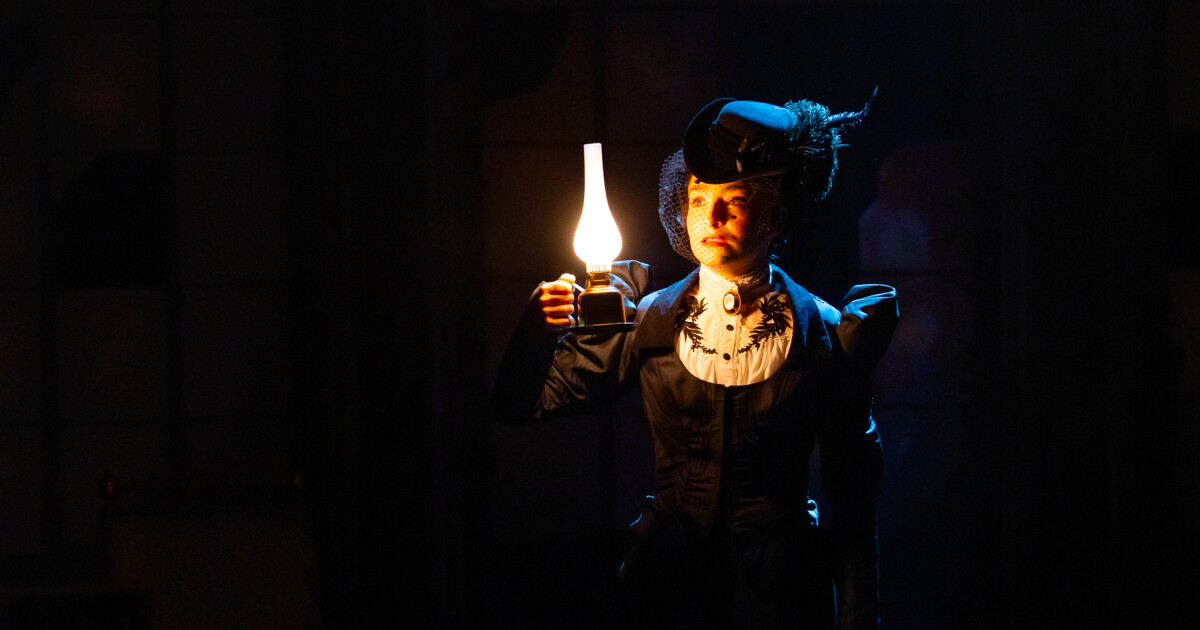
Hartford Stage hosts U.S. debut of new Dracula adaptation
Hartford Stage is hosting the U.S. debut of a new adaptation of Bram Stoker’s "Dracula," a production that...