
Tallahassee’s city commission voted 5-0 on Wednesday to consider ending its 287(g) agreement with U.S. Immigration and Customs Enforcement, setting up a direct clash with state leaders who say walking away from the pact would violate Florida’s ban on sanctuary cities.
The agreement, signed by the police chief without commission input, allows a single trained Tallahassee officer to perform certain immigration enforcement functions. Mayor Jeremy Matlow framed the reconsideration as a budget issue, telling WCTV the city faces an unfunded mandate to provide federal civil immigration services while Amendment 3 threatens to further reduce local revenues. “I don’t think it’s tenable,” Matlow said.
Attorney General James Uthmeier responded within hours, warning that terminating an existing 287(g) agreement without “extenuating circumstances” likely violates state law. “I’ve heard rumblings that there’s some localities that are looking at their 287 obligations here in Florida. I don’t write the law, I enforce it,” Uthmeier said.
“We are always going to be a rule of law state.” His office sent a similar legal opinion to the City of Doral on Wednesday, arguing that while cities are not required to sign such agreements, withdrawing from one already in place crosses a legal line, the Miami Herald reported.
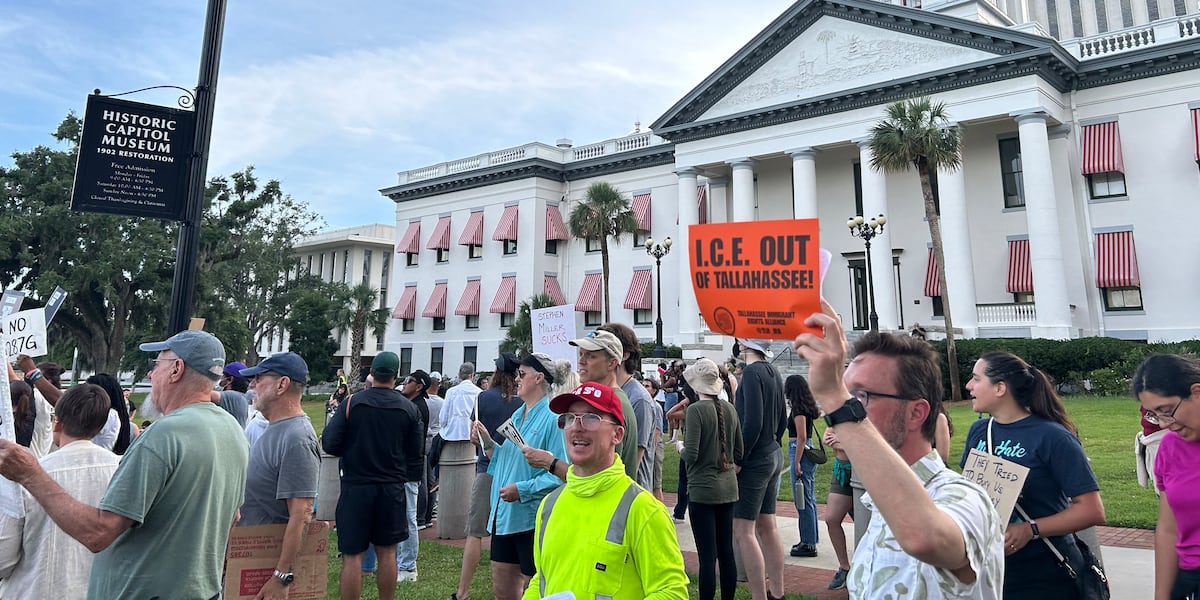
Governor-elect Byron Donalds declared he would not allow Tallahassee to become a sanctuary city, and Chief Financial Officer Blaise Ingoglia suggested state law enforcement agencies could step in to conduct immigration enforcement in the capital, as they did during a major raid in 2025. The chair of the Florida Republican Party posted that the commission’s move went “too far” and might “end poorly.”
The Doral precedent sharpens the stakes
The pressure on Tallahassee mirrors a simultaneous fight in Doral, where the city council unanimously authorized a 287(g) agreement in April 2025 after the city attorney advised that state law left little discretion. No Doral officers have been trained under the program, according to the Herald, but immigration advocates packed a council meeting Wednesday urging termination.
Alana Greer, director of the Community Justice Project, challenged the state’s interpretation, arguing Doral has legal grounds to withdraw. “There is nothing in state law that is prohibiting the city from having an active discussion about the priorities of your residents when it comes to ICE collaboration and from making a plan that follows state law that allows you to exit this agreement,” she told council members.
Greer acknowledged the distinction between declining to sign and terminating an existing agreement but insisted legal pathways exist. The Attorney General’s opinion, signed by Deputy Attorney General Greg Slemp, does not define what “sufficient justification” for termination would look like, leaving that threshold unresolved.
Sheriff office records 1,000 ICE encounters
State figures show that local 287(g) partnerships make up a small share of immigration enforcement in Florida. Most ICE collaboration runs through state law enforcement, and the Bay County Sheriff’s Office alone recorded more than 1,000 encounters with ICE since August 2025, according to data cited by WCTV.
That reality raises a practical question: if Tallahassee ends its agreement, the practical impact on immigration enforcement in the capital may be minimal, but the political and legal precedent would be significant.
The commission did not vote to terminate the agreement Wednesday, only to place it on a future agenda for discussion. When that meeting occurs, and whether the city can articulate “extenuating circumstances” that satisfy the Attorney General’s standard, remains the open question.

PA Board of Education Rejects Plan to Lower Advanced Scores on State Tests
The Pennsylvania State Board of Education voted 9-5 Thursday to reject a plan that would have lowered the...

Georgia 14½-Point Favorite Over South Carolina; LaNorris Sellers Back
Georgia sits as a 14½-point road favorite against No. 21 South Carolina on Saturday night, a spread that...
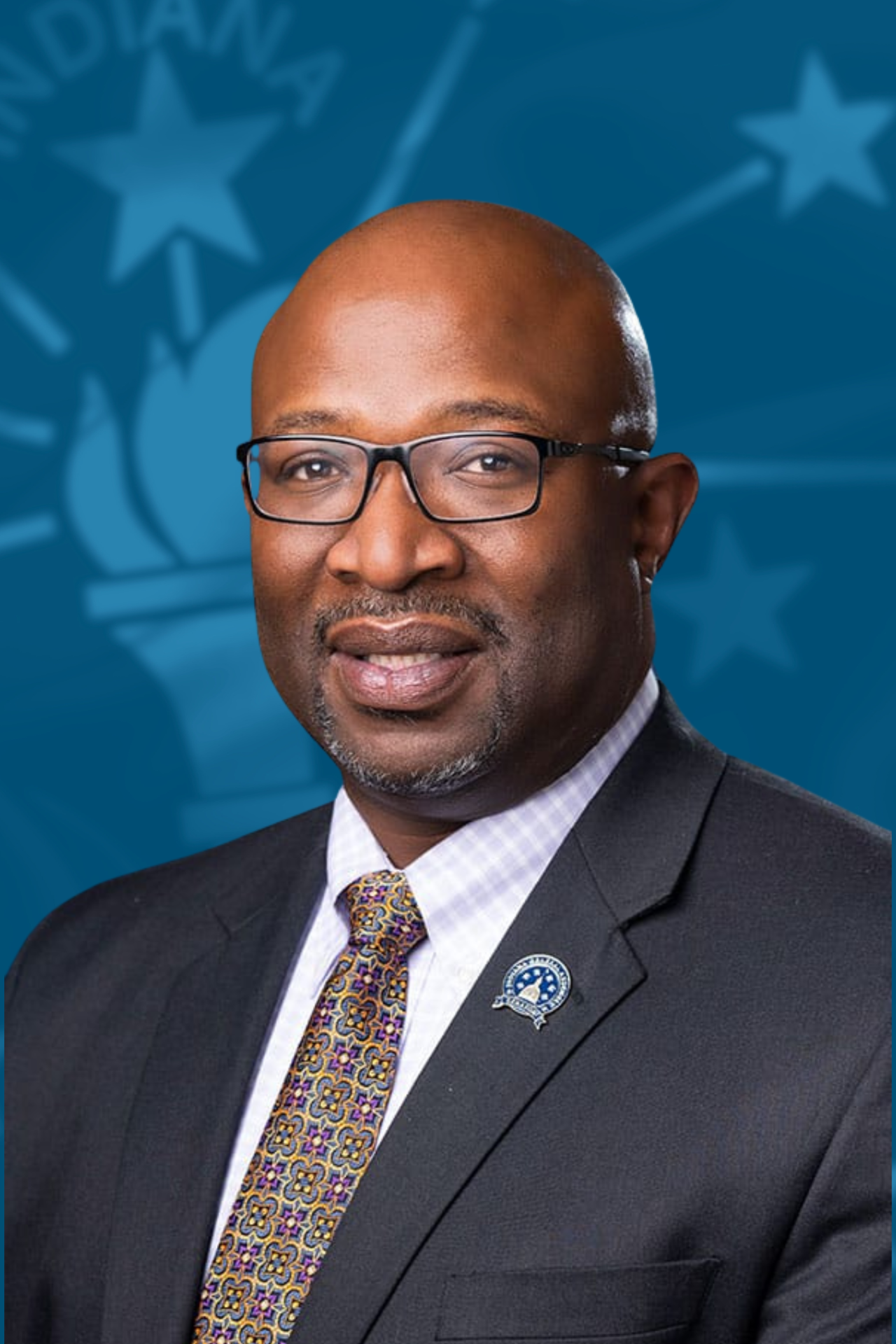
Ind. Sen. Taylor Outlines Housing, Childcare, Referendum Plan on Organization Day
State Sen. Greg Taylor laid out a legislative agenda focused on housing stability, childcare costs and direct democracy...

Kansas City Christmas Bar Crawl Returns December 19, 2026
The Kansas City Christmas Bar Crawl returns Saturday, December 19, 2026, with check-in running 4 p.m. to 6...