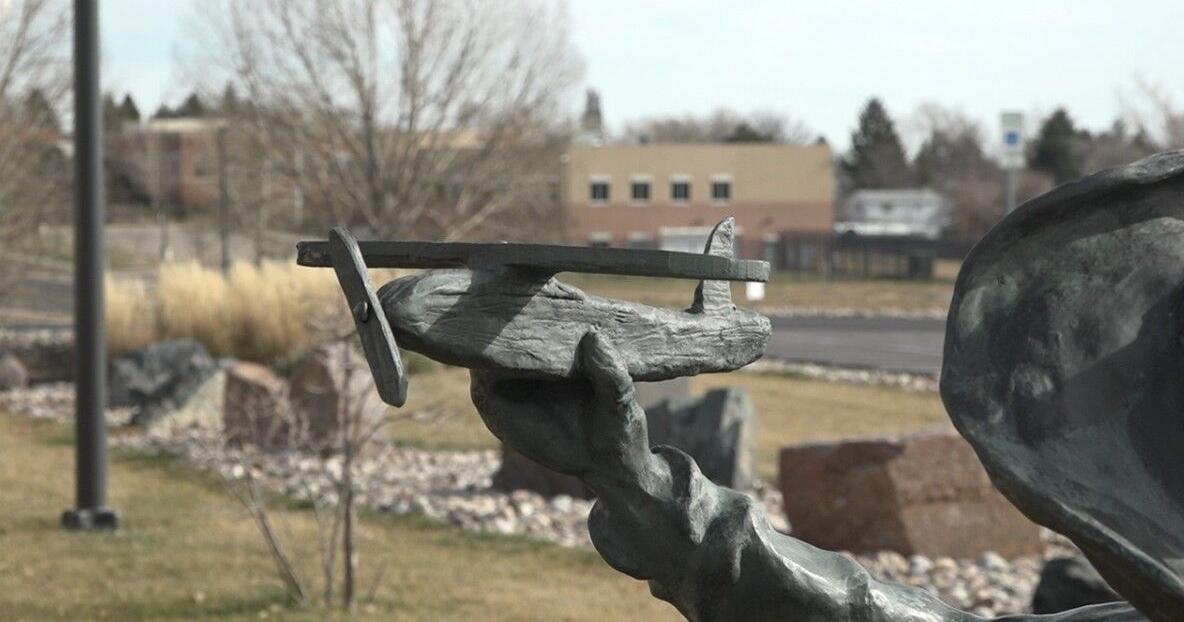
“It’s a nationwide ground stop, so we all had no choice but to comply so no planes could take off for almost 5 hours,” said Jason Reed, Communications and Air Service Manager for the Casper/Natrona County International Airport, describing the moment the Federal Aviation Administration halted departures across the country on Friday, November 13.
The FAA issued the stop at approximately 1:30 p.m. Mountain Time after what the agency described as a temporary telecommunications outage that disrupted radar feeds and aircraft communications.
The halt lasted more than four hours before the FAA lifted it at about 8:15 p.m. Eastern time, Wyoming News Now reported. By Sunday, both Casper/Natrona County International Airport and Cheyenne Regional Airport had returned to normal operations, though the ripple effects stranded travelers across the region for days.
The technical failure
The FAA stated the ground stop was issued out of an abundance of caution after “legacy equipment became unstable when data began flooding the FAA FTI network, at a rate of 1,000 connection attempts every 4 to 5 seconds.”
The surge created instability with aircraft communications and radar feeds, according to the agency’s initial explanation to Wyoming News Now. The exact reason for the communication issue remains under investigation without a clear answer as to the cause.
Additional reporting from SmartMarty Sky Aviation Desk and other outlets identified a Juniper router at an FAA facility in El Dorado, Arkansas, and additional router activity in Amarillo, Texas, as potential focal points in the disruption.
The coverage frames the incident as part of a broader modernization effort within the air-traffic-control network tied to copper-to-fiber upgrades and router installations, with investigators examining whether faulty equipment or installation steps contributed to the outage.
Grounded in Wyoming
“All our planes were grounded, LifeFlight was grounded, general aviation was all grounded,” Reed told Wyoming News Now. The stoppage affected commercial service, medical transport, and private aviation alike.
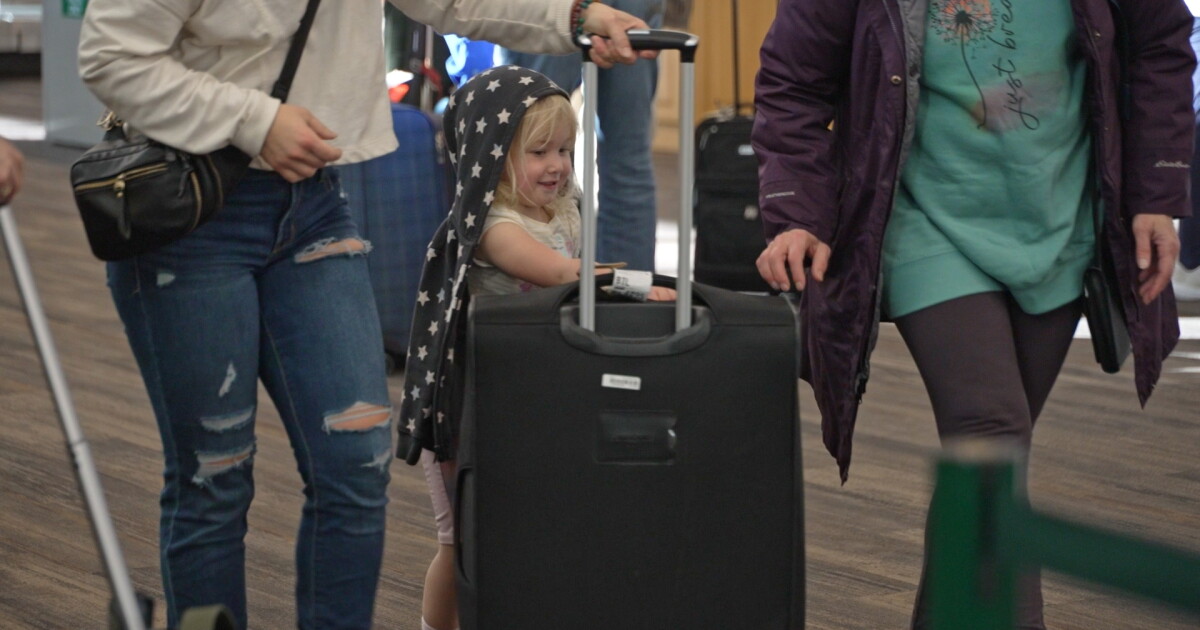
At the Casper airport, travelers scrambled to rebook or secure lodging. One passenger told Wyoming News Now his flight was canceled, forcing his company to book a hotel in Cheyenne for the night. Another traveler chose to rebook immediately rather than risk waiting through an extended delay only to face a cancellation later that evening.
“Very unusual and atypical and so the patience that folks showed in remaking plans…rescheduling…adjusting was very much appreciated,” Reed said of the travelers he encountered.
Cheyenne Regional Airport was asked to share a comment on their experience through the FAA ground stop but had not responded by press time.
Regional ripple effects
The disruption extended well beyond Wyoming. At Billings Logan International Airport in Montana, the fallout persisted through Saturday. Airport officials reported five canceled arrivals, six canceled departures, and eight delayed flights on Friday alone, KTVQ reported.
David Brown, a traveler trying to reach Washington state, saw his trip originate in Sheridan, Wyoming, on Friday before delays and a canceled flight forced him to find another way.
“It eventually went, but they wouldn’t let us on the plane because TSA went home,” Brown told KTVQ. “We were just trying to figure out how long it was going to be.” He eventually secured a flight out of Billings for Saturday.
Celeste Reising waited at the Billings airport for her son-in-law returning from Texas. “He was ready to come back, and then they were concerned because there was delays. And he thought, ‘Oh my gosh, I’m gonna have to rent a car maybe,'” Reising said. Her son-in-law eventually arrived, but she said the uncertainty left her worried.
“There was some fear and trepidation, but now it sounds like everything’s back in working order. If you were around for 9/11 and remembered when there was absolutely no planes flying for days, it’s almost kind of gives you a little reminder, like, ‘Oh, I hope that was nothing too serious.'”
Hayes Rohloff, heading to Austin on Friday, captured the frustration: “Will miss my connecting flight and I don’t really know what I’m going to do. No one’s able to really tell me anything right now or reschedule.”
Tim Myers, bound for Los Angeles, offered a stoic take: “I don’t live in Ukraine. That’s what I say. I don’t live in, you know, we don’t live in some place where it’s really difficult. I may sleep here in the airport, but if I do, it’s just not that big a deal.”
At North Platte Regional Airport in Nebraska, Airport Manager Justin Gosnell said flights returned to normal after the ground stop contributed to cancellations that affected local travelers through the weekend, WOWT reported.
What happens next
The FAA said the system stabilized by Saturday, but airlines still had major work to recover from the disruption. Officials estimated thousands of cancellations could continue as carriers worked to restore schedules. Assistant Aviation Director Paul Khera at Billings Logan International Airport noted smaller aircraft continued flying under visual flight rules during the stoppage.
The Federal Aviation Administration was created in August 1958 as the Federal Aviation Agency, replacing the Civil Aeronautics Administration, and became part of the newly formed U.S. Department of Transportation in 1967. Its Air Traffic Organization operates the air traffic control facilities — towers, terminal radar centers, and en route centers — that were directly affected by the FTI network instability described by the agency.
The investigation into the root cause — whether equipment failure, installation error, or data-flow management within the updated network — remains open.
Worth a look

PA Board of Education Rejects Plan to Lower Advanced Scores on State Tests
The Pennsylvania State Board of Education voted 9-5 Thursday to reject a plan that would have lowered the...

Georgia 14½-Point Favorite Over South Carolina; LaNorris Sellers Back
Georgia sits as a 14½-point road favorite against No. 21 South Carolina on Saturday night, a spread that...
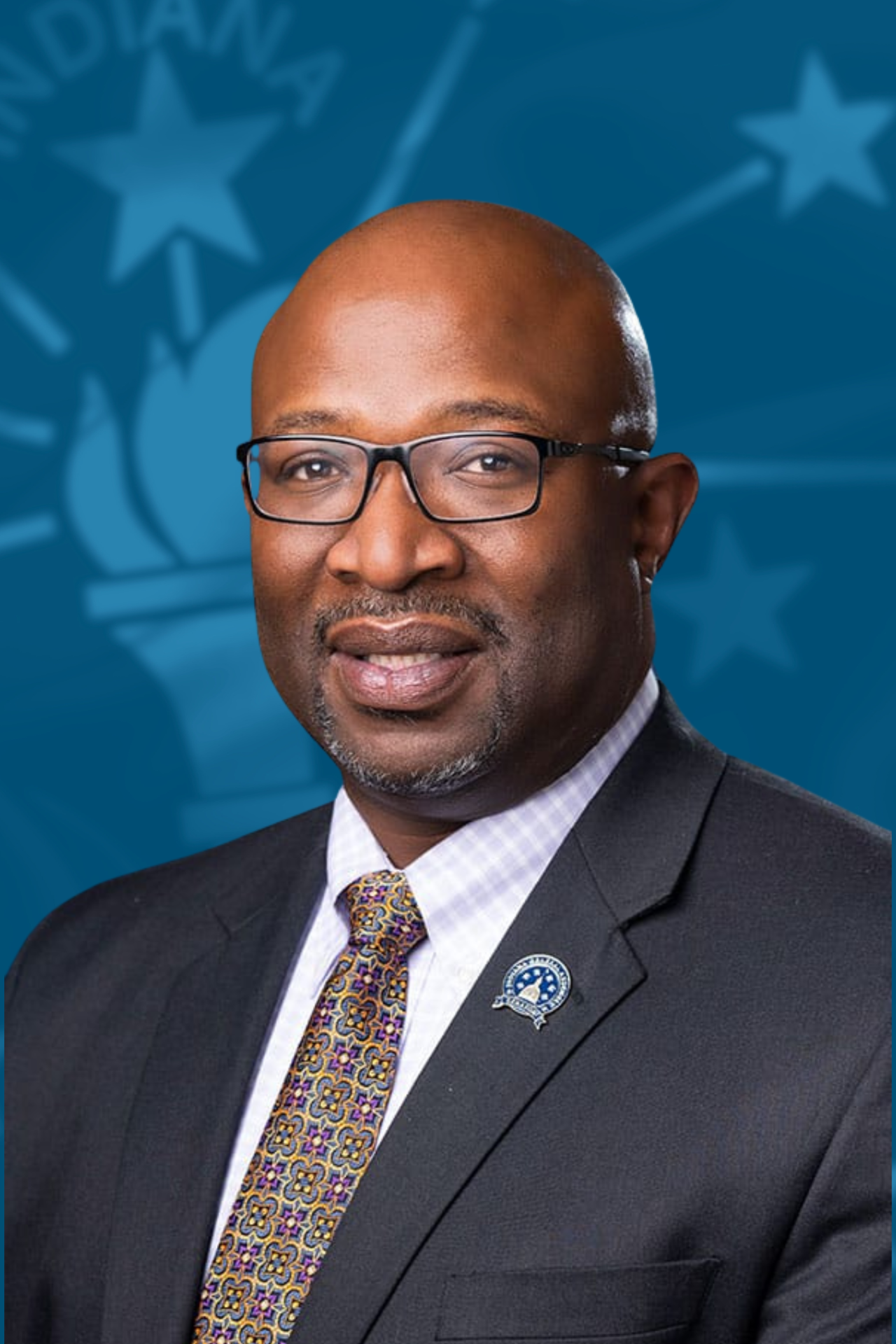
Ind. Sen. Taylor Outlines Housing, Childcare, Referendum Plan on Organization Day
State Sen. Greg Taylor laid out a legislative agenda focused on housing stability, childcare costs and direct democracy...

Kansas City Christmas Bar Crawl Returns December 19, 2026
The Kansas City Christmas Bar Crawl returns Saturday, December 19, 2026, with check-in running 4 p.m. to 6...