
Management acknowledged a "choppy start" to the fourth quarter but maintained guidance of around 2% same-store sales, scaling to 3% to 4% by year-end.
The Nasdaq Composite index closed recently at 25,136.27, attempting to recover from a volatile period that saw the index slide more than 5% on November 5.
This correction, which left the index more than 11% below its October record, was largely fueled by investor anxiety surrounding state-level regulatory limits on data center construction. While the tech sector remains under pressure due to the performance of Nvidia (NASDAQ:NVDA), market participants are shifting their focus toward consumer discretionary stocks that were trading at depressed valuations well before the recent sell-off.
The Market Reality:
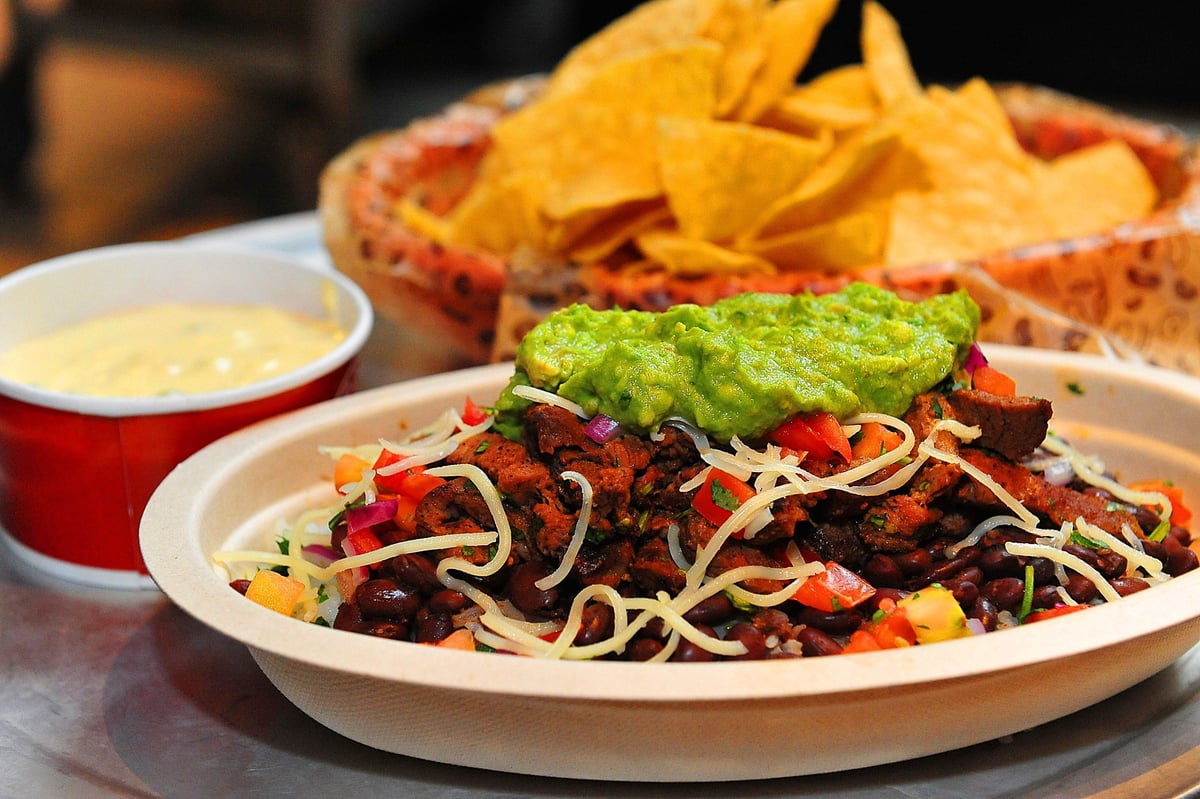
- Chipotle Mexican Grill (NYSE:CMG) is banking on a product-specific recovery, targeting a 3% to 4% exit rate for same-store sales growth by year-end.
- Burlington Stores (NYSE:BURL) is currently priced at roughly 20 times the midpoint of its 2026 earnings guidance, suggesting that the market has already baked in significant operational friction.
- Mattel (NASDAQ:MAT) is operating with a market capitalization of approximately $4.3 billion, with management using a $1.2 billion buyback authorization to stabilize share value.
Chipotle Margin Compresses as Brisket Returns with Free Delivery
Chipotle Mexican Grill closed at $35.28 recently, reflecting a 15% decline from its 52-week high of $41.42. The company’s third-quarter results showed a 2.1% increase in same-store sales, yet restaurant-level margins contracted from 24.5% to 23.3%. Management attributed this margin compression to rising labor costs and elevated beef prices.
To combat this, the company executed a strategic pivot on November 5 by reintroducing smoked brisket, supported by a promotional $0 delivery fee incentive that ran through November 18.
While management acknowledged a “choppy start” to the fourth quarter during their latest earnings call, they maintain a guidance target of around 2% for same-store sales, scaling to 3% to 4% by year-end. Looking further out, the company confirmed plans to open between 340 and 360 company-owned locations across the U.S. and Canada in 2027.
Burlington’s Pricing Strategy Ahead of Earnings
Burlington Stores faces a critical reporting date on November 24, just two days before the Thanksgiving holiday. The stock has experienced significant volatility, falling 30% over the last three months to close at $242.86, a level roughly 36% below its 52-week high of $378.33. This downward movement is partly intentional; the company chose to pass $55 million in tariff refunds directly to consumers through price reductions rather than keeping the capital to boost short-term profit margins.
The impact of this decision is evident in the company’s revised third-quarter adjusted earnings per share (EPS) guidance of $1.60 to $1.70, down from $1.80 in the prior-year period. However, the company simultaneously raised its full-year EPS guidance to a range of $11.77 to $11.97. Investors are now watching to see if these aggressive price cuts will successfully drive volume during the peak holiday shopping window in December.
Mattel’s Holiday Season Outlook
Mattel (NASDAQ:MAT) closed at $15.12, trading approximately 33% below its 52-week high. The toymaker’s November 5 report showed a challenging environment, with the company lowering its 2026 forecast for constant-currency sales growth to 1% to 4%. Despite weakness in the Barbie and Fisher-Price segments, the company reported a 7% increase in Hot Wheels gross billings, which remains a primary revenue driver heading into the final six weeks of the year.
The company is currently undergoing a leadership transition, with newly appointed CEO Roger Lynch installing a new president and chief operating officer. Institutional interest may be supported by the company’s ongoing capital allocation, specifically the $1.2 billion remaining on its share buyback authorization. Trading at roughly 13 times the midpoint of its lowered guidance, the stock is currently priced to reflect significant holiday-season risk.
The Main Street Impact
For the average American household, these shifts in corporate strategy represent the front lines of retail inflation and consumer spending power. When companies like Burlington choose to pass tariff refunds to consumers, it directly impacts the cost of seasonal goods. Conversely, when chains like Chipotle face margin pressure from beef and labor costs, the resulting price adjustments are typically reflected in the final ticket price for the consumer.
The broader market volatility also impacts 401(k) portfolios and retirement accounts that hold significant weightings in the consumer discretionary sector.
As investors monitor these three entities, the underlying theme remains the same: the transition from the R&D-heavy “Act 1” of the AI-driven market to the “Act 2” global rollout phase, as noted in analyst coverage. For the retail investor, the decision to allocate capital into these beaten-down sectors requires balancing the potential for holiday-driven upside against the reality of ongoing fiscal tightening and macroeconomic headwinds.
Disclaimer: The information provided in this article is for educational and market analysis purposes only and does not constitute financial, investment, or legal advice. Always consult with a certified financial professional before making investment decisions.
Related reading

UCLA Study: Less Than Half of California Kids 0-5 Had Regular Child Care in 2023
UCLA Study: Less than half of California's 2.6 million children ages 0–5 had regular child care in 2023....

Governor Sanders Announces $261 Million for 75 Arkansas Water Infrastructure Projects
Water infrastructure upgrades totaling more than $261 million will reach 75 projects across Arkansas to serve over 740,000...
Phoenix in 40s; Northern Arizona Expects Snow, Wind
Phoenix is waking up to crisp temperatures in the 40s under mostly clear skies today, offering a brisk...

Lingít Activists Protest Cascade Point Ferry Terminal to Defend Sacred Berners Bay Burial Sites
More than 150 people gathered outside the Alaska State Capitol on Friday to protest the state's proposed Cascade...