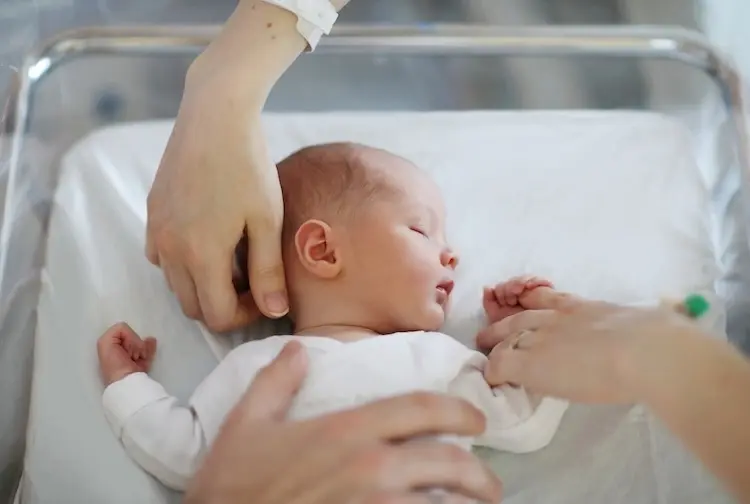
A sharp rise in life-threatening infant bleeding is directly linked to parents increasingly refusing a simple newborn vitamin K shot, according to two major studies published Thursday in JAMA and JAMA Pediatrics. The research, which analyzed data from more than 5.2 million U.S. infants, found that as vitamin K administration has dropped, bleeding risks have surged, with babies who go without the shot facing more than double the risk of dangerous brain bleeds.
National Decline in Vitamin K Administration
The percentage of newborns who did not receive the recommended intramuscular vitamin K injection at birth more than doubled between 2017 and 2025. One study, published in JAMA and led by researchers at Children’s Hospital of Philadelphia, found the refusal rate rose from 3.1% to 6.8% over that period. This represents a significant increase from the 2.92% refusal rate recorded in 2017, as noted in a separate JAMA Pediatrics study.
The JAMA Pediatrics study, which analyzed over 11 million infants, also documented a corresponding drop in the percentage of newborns who received the shot, falling from 97.7% in 2017 to 95.0% in 2025. The refusal rate accelerated between 2024 and 2025, rising from 5.18% to 6.8%, indicating a steepening trend in recent years.
As a result, the Centers for Disease Control and Prevention does not track rates of vitamin K refusals or bleeding. Vitamin K refusals have been rising steadily since the COVID-19 pandemic, but have accelerated. Health experts say the mixed messages have raised doubts among many parents about routine newborn treatments, including vitamin K. A US Department of Health and Human Services spokesperson said the CDC still recommends vitamin K shots for newborns but declined to say whether the agency would begin tracking rates of vitamin K refusals or bleeding events.

Surging Bleeding Risks for Newborns
This decline in administration has been accompanied by a sharp increase in vitamin K deficiency bleeding (VKDB). The VCU study found that the rate of VKDB increased by 216% between 2017 and 2024, while the rate of vitamin K deficiency itself rose by 215.7%. The JAMA study found that infants who did not receive the vitamin K shot had a 47% higher risk of any bleeding event within their first six months of life.
The difference was particularly concerning for bleeding in or around the brain, a potentially life-threatening complication,
said Kevin Dysart, MD, a senior study co-author and attending neonatologist at CHOP. Babies who did not receive vitamin K had more than twice the risk of recorded intracranial bleeding, with 33 cases per 10,000 births compared with 13 per 10,000 among infants who received the injection.
Death during hospitalization in the presence of a bleeding diagnosis was also more common among infants without documented vitamin K administration. The researchers estimated that for approximately every 114 newborns who did not receive the injection, there would be one additional bleeding event during the first six months of life compared with a similar group of infants who received it.
David Hill, a hospitalist, pediatrician and spokesperson for the American Academy of Pediatrics (AAP), told ABC News. Scott Hadland, a pediatrician at Mass General Brigham for Children, said he cares for many older children, adolescents and young adults who have long-term complications from severe brain bleeding.
Expert Commentary on the Findings
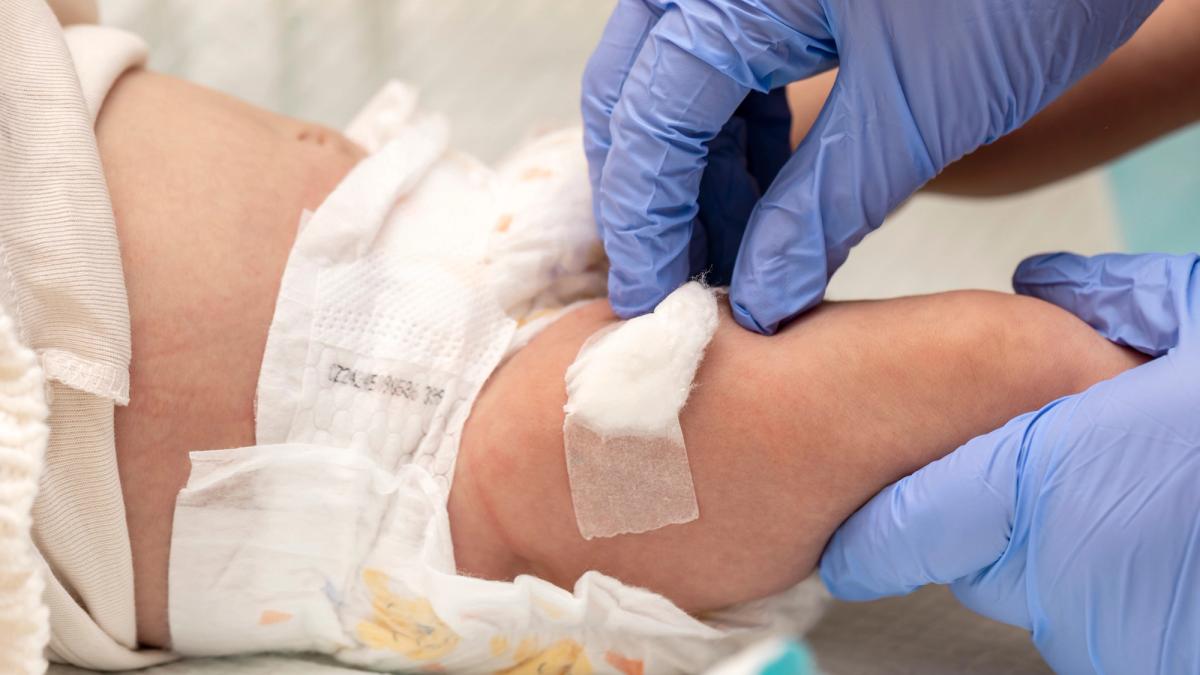
Study authors and other medical experts emphasized the seriousness of the findings and the importance of the vitamin K shot, which has been standard care since 1961. Routine intramuscular vitamin K administration has been highly effective at preventing vitamin K deficiency bleeding in newborns for decades,
said Heather H. Burris, MD, MPH, one of the study’s co-authors and an attending neonatologist at CHOP and professor of pediatrics at the Perelman School of Medicine at the University of Pennsylvania. Our study is the first to document a nationwide decline in administration paired with increases in bleeding risks. Our findings underscore the importance of continued education and awareness, so families understand the serious, preventable bleeding risks for infants who do not receive vitamin K at birth.
Cathleen Ballance, M.D., MPH, Pediatric Hospitalist and Vice Chair, Quality & Safety, K. Hovnanian Children’s Hospital at Hackensack Meridian Jersey Shore University Medical Center. Infants who do not receive this simple, safe shot are 81 times more likely to develop this potentially fatal condition.
Dr. Steven Woolf, an epidemiologist at Virginia Commonwealth University and a co-author of the JAMA Pediatrics study, framed the trend as a consequence of eroding trust in public health. Now we’re stepping away from that and we’re seeing the consequences,
he said. The team noted that the peak in 2025 coincides with eroding trust in public health following the COVID pandemic, rising vaccine hesitancy and growing parental skepticism around newborn interventions.
The findings reinforce the longstanding recommendation that newborns receive the one-time intramuscular vitamin K injection shortly after birth and highlight the need to better understand why its use is declining. The researchers were supported by a National Institutes of Health training grant (T32HD060550) and by the National Institute of Child Health and Human Development Grant (K23HD109426).
Parents who have questions about the vitamin K shot for their newborn should consult with their pediatrician or a qualified healthcare provider to discuss the benefits and risks based on their individual child’s health needs.
Keep reading
Top Rank Announces Lomachenko’s Multi-Fight Return
Vasiliy Lomachenko is officially out of retirement and back in the fold with Top Rank Boxing. The 38-year-old...

Cannabis Use Linked to Higher Cardiovascular Disease and Stroke Risk
New research presented at the American Heart Association's Scientific Sessions 2026 links cannabis use to increased odds of...

Trevor Martin sues Kilkee Golf Club trustees over spinal injury claim
Trevor Martin seeks €1.2m in High Court over spinal injury claim A 69-year-old retired brewery manager is suing...
Sharks’ Sherwood calls Kings ‘disrespectful,’ demands teammates act
Sharks' Sherwood Calls Kings 'Disrespectful,' Demands Team Response After 7-2 Loss San Jose Sharks forward Kiefer Sherwood labeled...