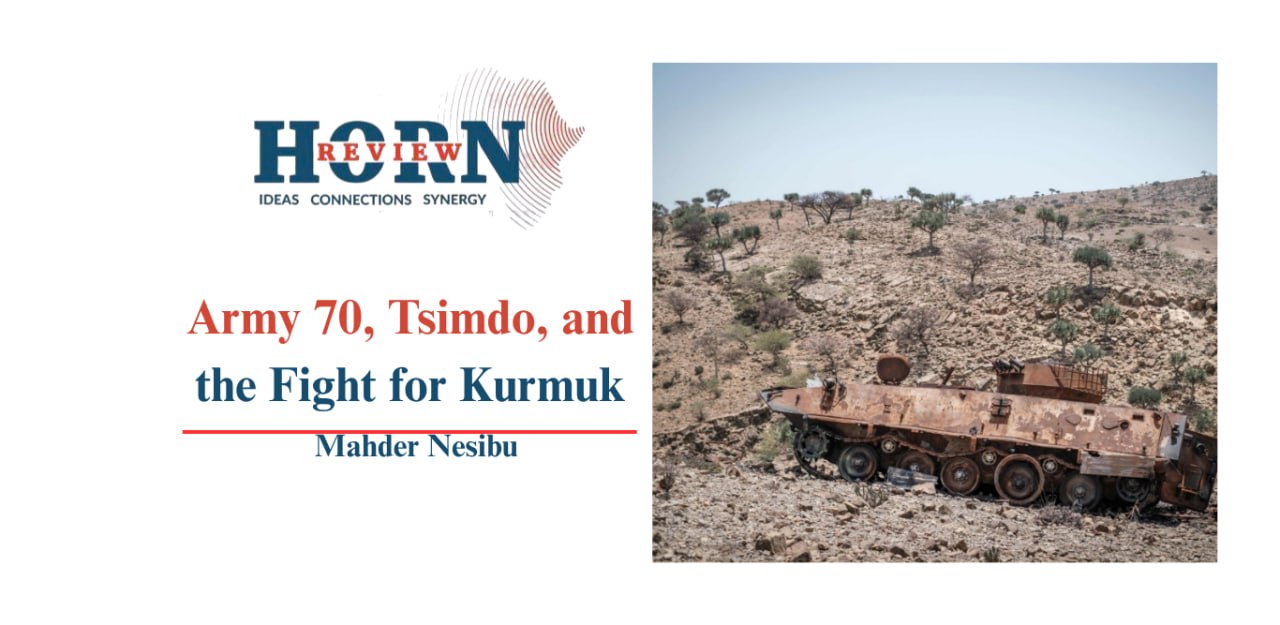
Sudanese Army forces have seized the Fashfoun area in Blue Nile state, continuing a military offensive that followed the July 8, 2026, recapture of the strategic border town of Al-Kurmuk.
Military Gains in Blue Nile State
The Sudanese Armed Forces (SAF) announced early this week that they have secured the Fashfoun area, a move characterized by military officials as a decisive battle that resulted in heavy losses for the opposing forces. The military stated that its 13th Brigade of the 4th Infantry Division, supported by Special Operations units, had “cleared” the area after a major offensive that inflicted significant personnel and equipment losses on the Rapid Support Forces (RSF) and the Sudan People’s Liberation Movement-North (SPLM-N). According to official statements, troops are currently conducting sweep and security operations to pursue remaining fighters and restore stability.
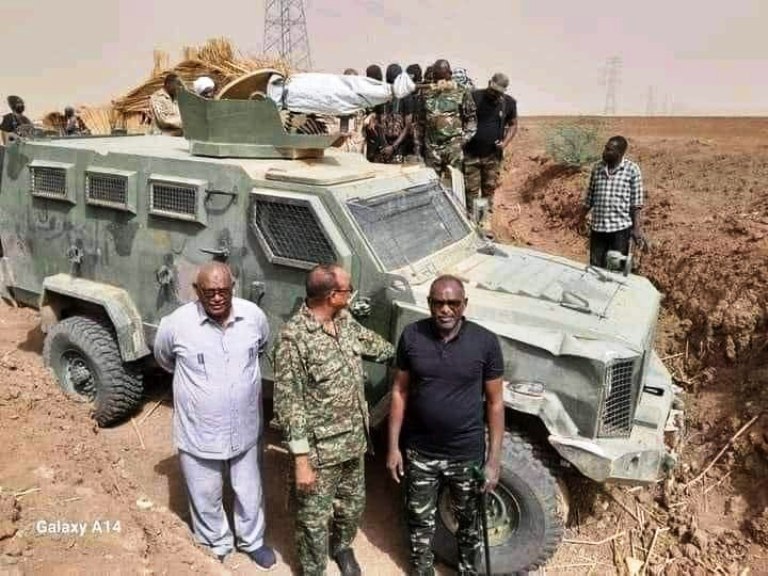
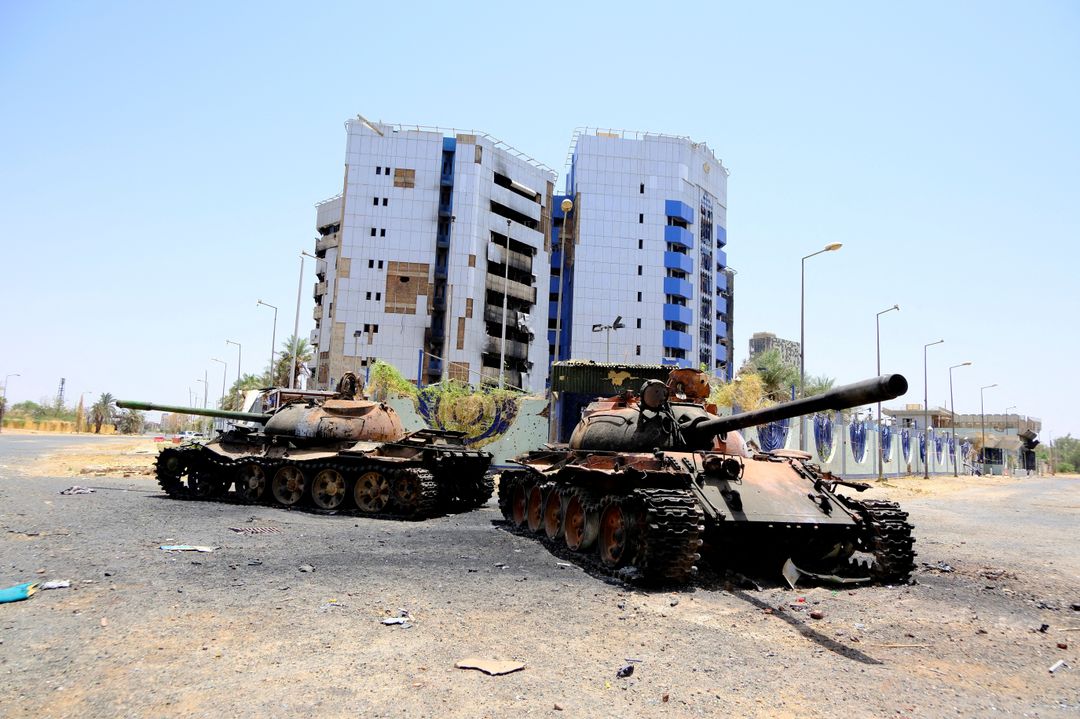
This development follows the significant recapture of Al-Kurmuk on July 8, 2026. The military’s recent gains are part of an ongoing effort to restore order in the region, which has been contested since the national conflict erupted in April 2023 over disagreements regarding the integration of the RSF into the national military. The war has caused a severe humanitarian crisis, resulting in tens of thousands of deaths and millions of people displaced.
The Strategic Significance of Al-Kurmuk
The town of Al-Kurmuk occupies a critical position on the Blue Nile State highway, serving as a vital corridor that connects western Ethiopia through the Nile River Valley toward Khartoum. Its control is essential for guarding the approaches to the Roseires Dam, a piece of infrastructure central to Sudan’s electricity supply. Its location on the border with Ethiopia and near South Sudan further enhances its strategic value.

The RSF and the SPLM-N faction led by Abdelaziz al-Hilu had held the town since March 24, using it as a staging hub for an offensive intended to stretch the Sudanese Armed Forces away from the country’s center and mount a challenge through the Nile corridor toward the capital. Following the army’s recapture of the town after roughly six hours of fighting on July 8, the local government has begun planning for civilian returns. Thousands of people celebrated in Damazin, the capital of Blue Nile State, on Wednesday following the announcement. Blue Nile State Governor Ahmed Al-Omda and the Commander of the Fourth Infantry Division, Major General Ismail Al-Tayeb, toured the city’s streets in an open-top vehicle to cheering crowds. Governor Al-Omda described the recapture as “a major victory” and congratulated the Sudanese Armed Forces and the Fourth Infantry Division on the liberation of the town.
Foreign Contingents and the July 10 Drone Strike
The conflict in Blue Nile has drawn in external forces, complicating the internal civil war. On the evening of July 10, a drone strike hit a gathering of senior commanders from “Army 70,” a Tigrayan armed contingent operating within the Sudanese Armed Forces’ war effort, in the town of Al-Kurmuk. The strike killed several of the unit’s most senior officers and wounded more than a dozen soldiers, prompting an immediate reshuffle of the contingent’s command structure.
Army 70 originated from the Tigray conflict of 2020 to 2022, evolving from a mix of defecting Ethiopian soldiers and officers from the UN peacekeeping mission, retreating Tigray Defence Forces, and refugees recruited into the ranks. Their involvement in Sudan’s civil war has solidified into a mercenary-like arrangement, with political and material support flowing between the TPLF leadership and General al-Burhan’s forces. The presence of Eritrean soldiers among the casualties highlights the regionalization of the conflict and an arrangement known as “Tsimdo,” where elements of the Eritrean Defence Forces have taken part in operations alongside Army 70. This reflects an extensive pattern of support that has moved Asmara from backing the Sudanese Armed Forces at a distance into direct participation on the ground.
Rehabilitation and Unresolved Humanitarian Stakes
Kurmuk governor Abdel Ati Mohamed Al-Faki stated that preparations are underway for residents to return to the town. “We will form committees to rehabilitate the infrastructure and public services after they were damaged,” he said.
The border zone linking Ethiopia, South Sudan, Sudan, and Eritrea has become a breeding ground for this convergence of forces. Political and military coordination meetings have repeatedly brought together TPLF generals, insurgent representatives from Amhara’s Fano movement and Oromia’s Oromo Liberation Army, and delegations from both the Sudanese Armed Forces and the Eritrean military.
Find more reporting in our News section.
Keep reading
Police Find Canada-Returned Couple Dead in Karachi Home
Police found a Canada-returned elderly couple dead inside their North Karachi home.

Nyesom Wike Unveils 2027 Cross-Party Campaign Strategy in Abuja
Federal Capital Territory Minister Nyesom Wike unveiled a cross-party mobilization strategy, declaring himself field commander for President Bola...
Traffic Diversions Set as Zanu-PF Annual Conference Begins in Chinhoyi
Thousands of delegates converge on Chinhoyi for the ruling party’s annual conference, triggering strict traffic diversions on major...

An Coimisiún Pleanála Refuses Creeslough Service Station Planning
An Coimisiún Pleanála has refused planning permission for a service station adjacent to the Creeslough tragedy site in...