
“Our campaign is following Alaska precedent to make sure every legally cast ballot is counted, and we remain confident that when every one of those ballots are counted, Senator Sullivan will win,” Nate Adams, a spokesman for the Sullivan campaign, said Monday.
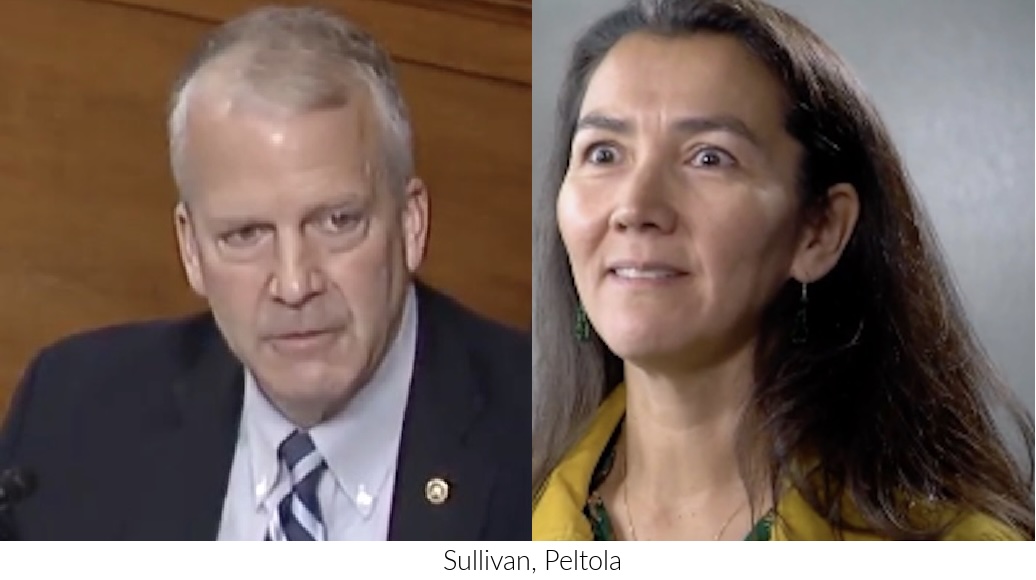
The campaign for Republican incumbent Sen. Dan Sullivan is moving to join a legal battle over absentee ballot data, according to reporting from ADN. The motion seeks to intervene in a lawsuit filed last week by Democratic challenger Mary Peltola, a move that could bring the intense fight for Alaska’s U.S. Senate seat directly into the Anchorage Superior Court.
The dispute centers on whether the Alaska Division of Elections must release preliminary records that link individual voters to the status of their absentee ballots. While the Peltola campaign argues the information is public, the Sullivan campaign contends that releasing it now would provide an unfair advantage and bypass established legal processes.
The dispute over absentee records
The legal friction began when the “Alaskans for Mary” campaign filed a seven-page complaint on Friday against the Alaska Division of Elections, its director Carol Beecher, and Lt. Gov. Nancy Dahlstrom. As reported by The Alaska Story, the Peltola campaign first requested these records on Oct. 27, seeking the absentee register that includes “accept or reject” codes for returned ballots.

Peltola’s team maintains that the state is violating the Alaska Public Records Act. They argue that without knowing exactly which absentee ballots were rejected and why, the campaign cannot ensure that its supporters’ votes are being properly tallied.
The Sullivan campaign’s motion to intervene argues that the Peltola campaign intends to use the data to identify Democratic voters whose ballots were preliminarily rejected. According to the filing, the goal would be to use that information to influence election officials’ decisions outside the legally prescribed review process.
The state has also pushed back against the request. In a motion filed Monday, the Alaska Department of Law argued that the requested information is provisional and could violate voters’ constitutional right to privacy. The department noted that many voters might not want the public to know they made a mistake on an absentee ballot.
The Division has protected the privacy of absentee voters for years, and the Court should not order it to change its practice (or divert its limited resources) midway through this crucial phase of the general election.
The Division of Elections has noted that while campaign observers can view certain daily records under confidentiality agreements, the state does not currently distribute these preliminary, unconfirmed records to campaigns.
A razor-thin margin in Alaska
The stakes of this legal maneuver are amplified by how close the race currently stands. Peltola holds a narrow lead of 2,517 first-choice votes over Sullivan, representing 48.6% of the more than 215,000 ballots counted so far. Because no candidate has reached the 50% threshold required to win outright without ranked-choice tabulation, the final outcome remains uncertain.
The following table outlines the current timeline for the election results as reported by ADN:
| Event | Scheduled Date |
|---|---|
| Ranked-choice tabulation | Nov. 18, 2026 |
| Official certification of results | Nov. 25, 2026 |
The counting process remains ongoing, with tens of thousands of ballots yet to be processed. This includes absentee ballots that may have been cast in person in rural communities, where in-person absentee voting was offered in the days leading up to the Nov. 3 election. In these regions, voters have historically leaned toward Peltola, a Yup’ik candidate from Western Alaska.
The complexity of the count is compounded by Alaska’s lack of a “ballot curing” process, meaning voters cannot correct minor mistakes—such as a missing signature—on their absentee ballots once submitted. In the 2024 general election, the Division of Elections rejected approximately 1,300 ballots for reasons including improper or insufficient witnessing.
Legal challenges mount
This latest courtroom battle follows a series of legal motions that have characterized the election cycle. Radio Kenai reported that the Peltola campaign is asking the court not only to declare them entitled to the records but also to order their immediate release and award attorney fees.
The contest also follows a dismissed federal lawsuit. On Nov. 1, a U.S. District Court judge dismissed a suit ordered by President Donald Trump that sought to stop the certification of the race if Sullivan lost narrowly.
That suit had also requested the segregation of certain ballots for investigation, a move the state argued would violate voter privacy. While the federal government has appealed to the 9th Circuit Court of Appeals, the court is not expected to hold briefings until Jan. 11, well after the new Senate is set to be sworn in.
Oral arguments for the current absentee ballot dispute are scheduled for Tuesday at 10 a.m. in Anchorage Superior Court before Judge Thomas Matthews.
The outcome of this case will likely determine whether the final stretch of the count is conducted through existing observation protocols or through a new, court-mandated transparency standard that could reshape how Alaska manages election data in the future.

Candlelight Weekend Kicks Off Holiday Festivities in Downtown Frankfort
Downtown Frankfort transitions into the holiday season this week as Candlelight Weekend kicks off on Thursday. The multi-day...

Liv Diaz named Peach Belt Defensive Player of the Week – Georgia College
Liv Diaz recorded a career-high 27 digs in a single match to help secure her selection as the...
Central Florida Cold Front to Bring Weekend Lows in the 40s
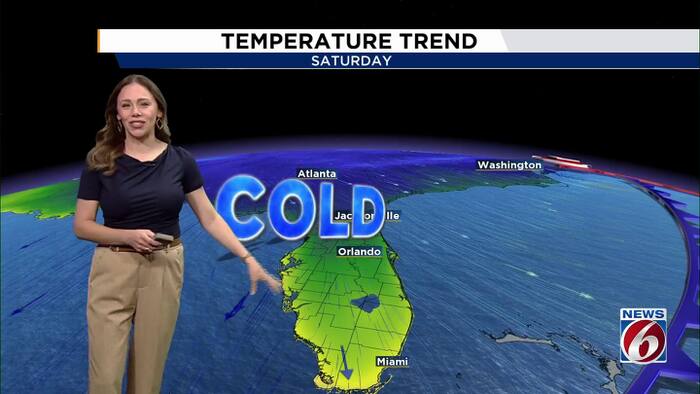
Central Florida weather will change late Thursday night as a strong cold front approaches the region. According to...

Capital for Change Celebrates 10 Years of Expanded Operations
“To go into Bloomfield and to an all-white neighborhood to pose as the buyer of a house and...