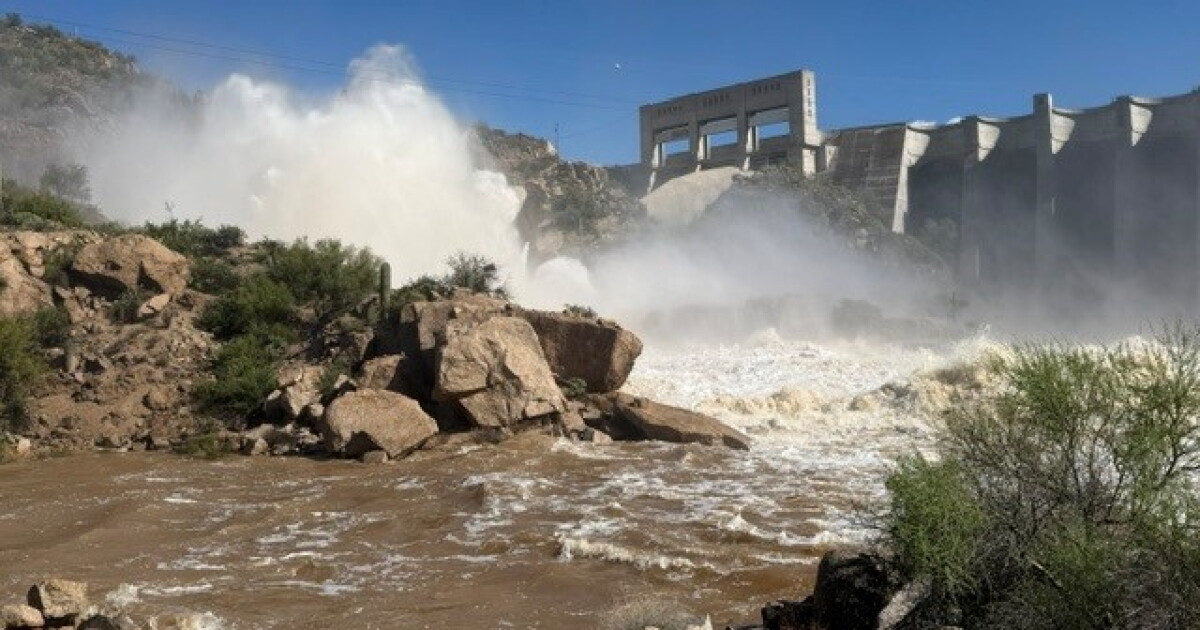
Recent rainstorms have delivered a massive water boost to Arizona’s Salt and Verde rivers, according to reporting from kjzz.org.
The unprecedented surge has transformed the region’s reservoir levels in less than a week. The Salt River Project, which manages the dams east of Phoenix, reported that October and November inflows are the highest on record for the Salt and Verde watershed.
These inflows reached approximately eight times the historical average. This sudden influx of water has shifted the utility’s reservoir system from 53% capacity to 70% capacity in a matter of days.
The utility was able to store roughly 370,000 acre-feet of water during this period. To put that scale into perspective, one acre-foot is about the amount of water required to cover a football field to a depth of one foot, or roughly a year’s supply for three homes in the Phoenix area.
Stephen Flora, a senior hydrologist with SRP, stated that the system captured enough water to meet about half a year’s worth of demand for the utility’s distribution system in the Phoenix area.
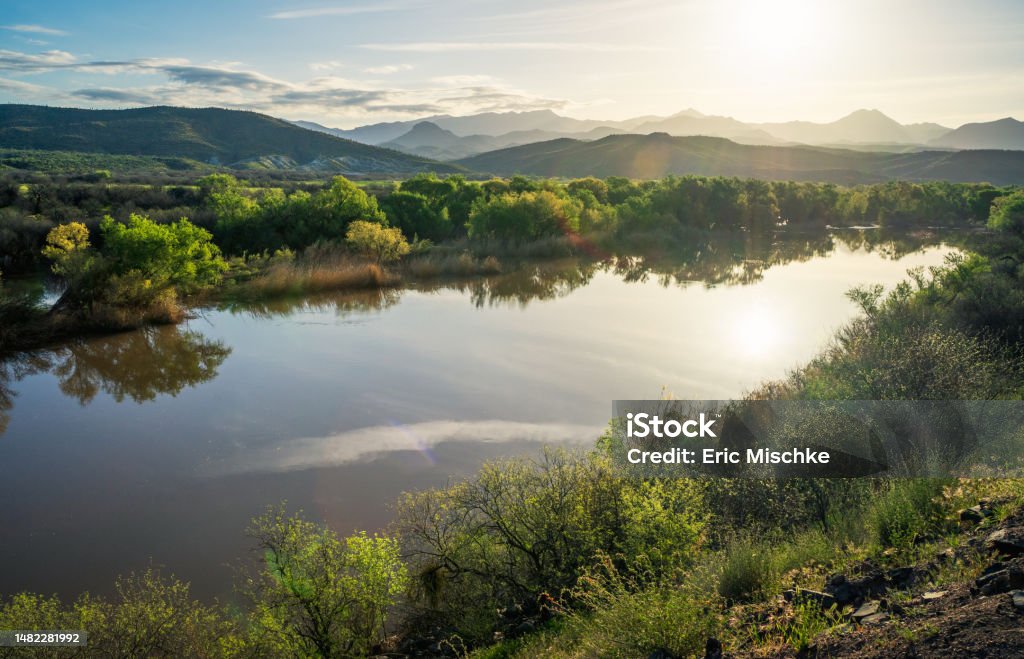
The timing of these gains matters because the Salt and Verde River systems are traditionally temperamental. While they can refill quickly, they typically rely on seasonal snowmelt to bolster their stores rather than autumn rain. This recent rain-driven surge follows three consecutive dry winters.
| Metric | Value/Status |
|---|---|
| Reservoir Capacity Increase | 53% to 70% |
| Total Water Stored | ~370,000 acre-feet |
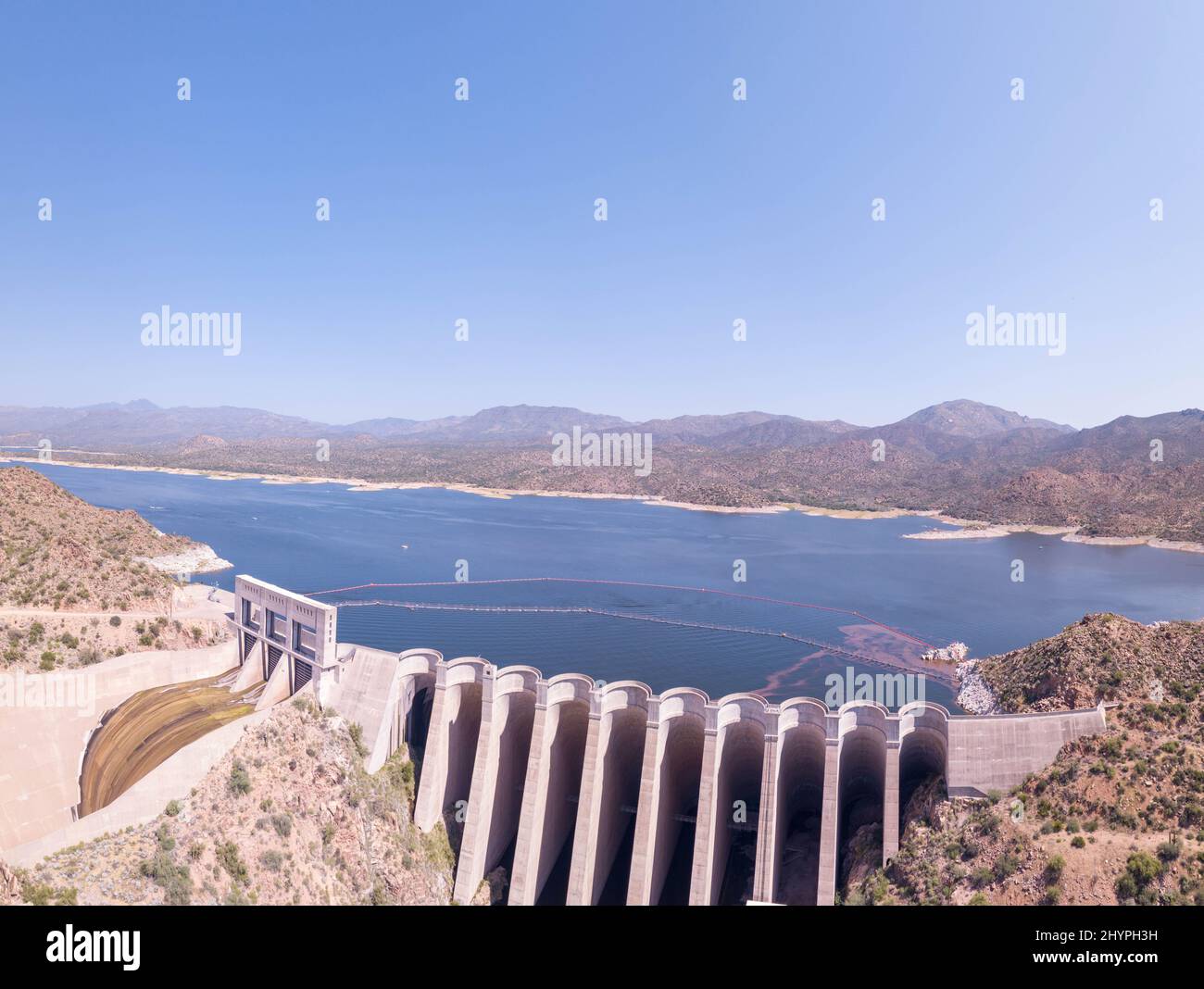
The sheer volume of water required active management to ensure dam safety. As the Bartlett Reservoir, which holds water from the Verde River, reached high levels, officials had to release water downstream to maintain the integrity of the Bartlett Dam.
This released water moved through the Salt River toward the west. Much of it was eventually held in the Painted Rock reservoir located west of the Phoenix metropolitan area.
During this transit, some of the water seeped into the underlying aquifer. This process helped recharge the finite groundwater supplies that serve as a critical resource for many local city utilities.
Despite the windfall for the local Salt and Verde systems, the broader regional outlook remains constrained. The much larger Colorado River system, which serves a vast portion of the American Southwest, saw much more modest gains from these same rainstorms.
Inflows for the Colorado River system were described as “a drop in the bucket.” Because that system also depends heavily on snowmelt, the recent rains did little to alter its long-term trajectory.
This distinction means that the regional water supply crisis, which has necessitated various cutbacks for the Phoenix area, is not yet resolved. While the local reservoirs have seen a massive, unusual reprieve, the primary lifeline for the region is still under pressure.

Candlelight Weekend Kicks Off Holiday Festivities in Downtown Frankfort
Downtown Frankfort transitions into the holiday season this week as Candlelight Weekend kicks off on Thursday. The multi-day...

Liv Diaz named Peach Belt Defensive Player of the Week – Georgia College
Liv Diaz recorded a career-high 27 digs in a single match to help secure her selection as the...
Central Florida Cold Front to Bring Weekend Lows in the 40s
Central Florida weather will change late Thursday night as a strong cold front approaches the region. According to...

Capital for Change Celebrates 10 Years of Expanded Operations
“To go into Bloomfield and to an all-white neighborhood to pose as the buyer of a house and...