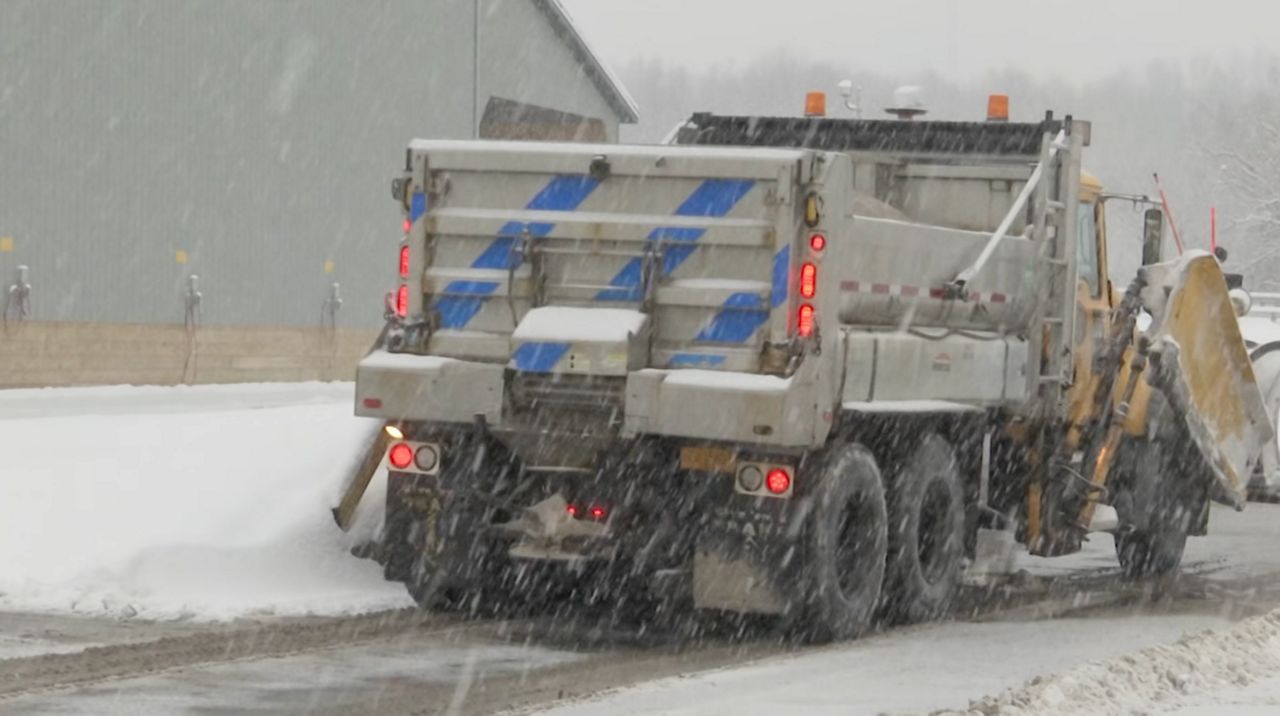
“Maintaining the CDL is challenging across the state,” said Ed McAndrew, the Sullivan County Highway Superintendent, describing the quiet scramble that begins long before the first flake falls.
Municipalities across New York are heading into winter short on snowplow drivers, a staffing squeeze that threatens to slow road-clearing operations when storms hit. The shortage is not new, but superintendents say it has sharpened over the last decade, forcing departments to lengthen routes, cross-train existing public works employees, and compete with private trucking firms for a limited pool of commercial license holders.
In Sullivan County, McAndrew said turnover has accelerated noticeably in the past ten years. He has hired new drivers and pushed other public works staff to obtain commercial driver’s licenses so they can slide behind the wheel when the snow starts. If gaps remain, the plan is straightforward but costly in time: standard two-hour plow routes will stretch to three hours, meaning fewer passes and longer waits for clear pavement.
“Our routes are normally two hours long,” McAndrew said. “Maybe routes will become three hours long and we’ll do it with fewer people. Again, that speaks to taking longer to getting plowing done. But that’s one way we would look at it. It may not be the most efficient way, but if that’s the staffing level we have, we could do it with that.”
The strain extends well beyond the Catskills. Warren County has grappled with driver shortages in recent winters. This season, Cortland County and the City of Syracuse are actively recruiting to fill open seats. The pattern reflects a broader friction in the labor market: qualified CDL holders are heavily recruited across construction, long-haul freight, and municipal transit, often at wages that outpace county pay scales.
The New York State County Highway Superintendents Association pushed back on the idea of a uniform, statewide crisis. In a statement, the association said it does not see a systemic shortage of operators across every county.
But it acknowledged the competitive pressure explicitly: “County officials noted that maintaining full staffing requires year-round diligence. Because qualified CDL holders are heavily recruited across multiple industries, counties are continuously recruiting and evaluating compensation packages to stay competitive with private-sector wages.”
That year-round diligence is the hidden cost. A snowplow driver isn’t just a seasonal hire; the license requires medical certifications, skills tests, and a clean driving record that must be maintained through the summer. When a driver leaves for a private fleet offering a signing bonus and higher hourly pay, the county loses not just a body but the months invested in training and credentialing.
For residents, the math is simple and frustrating. Longer routes mean secondary roads stay snow-covered longer. School bus delays climb. Emergency response times stretch.
McAndrew’s workaround — cross-training mechanics and laborers — solves the credential problem but creates a new one. When the mechanic is in the plow truck, the fleet maintenance backlog grows. When the laborer is driving, the ditching, signage, and paving prep that summer demands fall behind. The department borrows from Peter to pay Paul, hoping the interest doesn’t come due during a January ice storm.
Sullivan County, where McAndrew manages the highway department, covers 997 square miles of the Catskill Mountains, roughly 70 miles northwest of New York City. Its population reached 78,624 in 2020, up from 73,966 in 2000.
From the 1920s through the 1970s, the area was the heart of the Borscht Belt resort economy, a seasonal tourism engine that has long since faded, leaving a rural road network that must be kept open through winter with a shrinking pool of licensed drivers.
The association’s statement hints at the structural lever counties actually control: compensation packages. But raising wages for CDL holders often triggers compression issues across the entire public works pay scale, a budget negotiation that plays out in county legislatures long after the snow melts. Until those structural adjustments land, the contingency plan remains what McAndrew described: longer routes, fewer people, and a prayer for a mild winter.
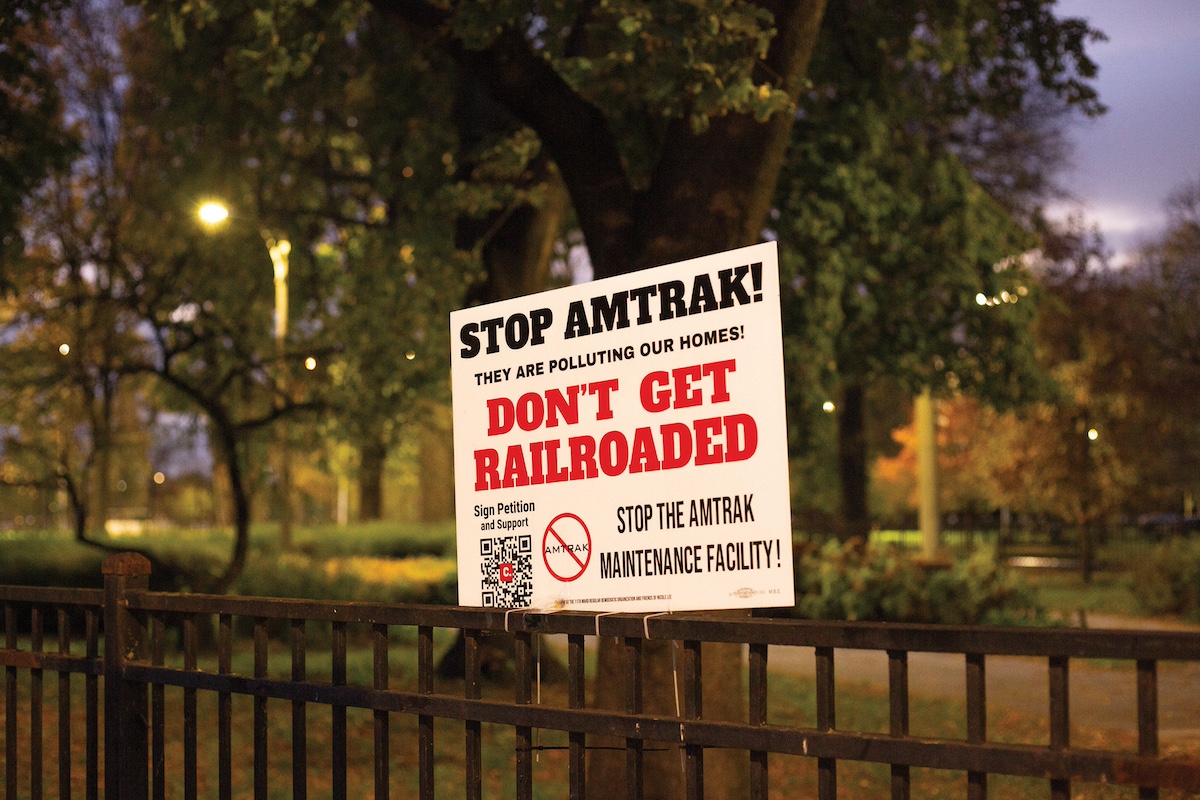
FRA Releases Amtrak South Side Facility Review, Opens Comment Period
Seven thousand residents live within 500 feet of the proposed Amtrak maintenance facility on Chicago's South Side, and...

Spotlight Delaware Highlights 5 Weekend Events Nov. 20–22, 2026 Across Three Counties
Spotlight Delaware highlights five events across the state for the weekend of Nov. 20–22, 2026, ranging from a...

The Scout Guide Charleston Volume 12 Launches at 40+ Lowcountry Locations
The Scout Guide Charleston released Volume 12 this week, dropping complimentary copies at more than 40 independent businesses...

Sirianni Stands Pat: Mannion Keeps Play Sheet, Milton Keeps Huddle vs Steelers
Nick Sirianni emerged from the bye week with a decision that defines where the Philadelphia Eagles stand: Sean...