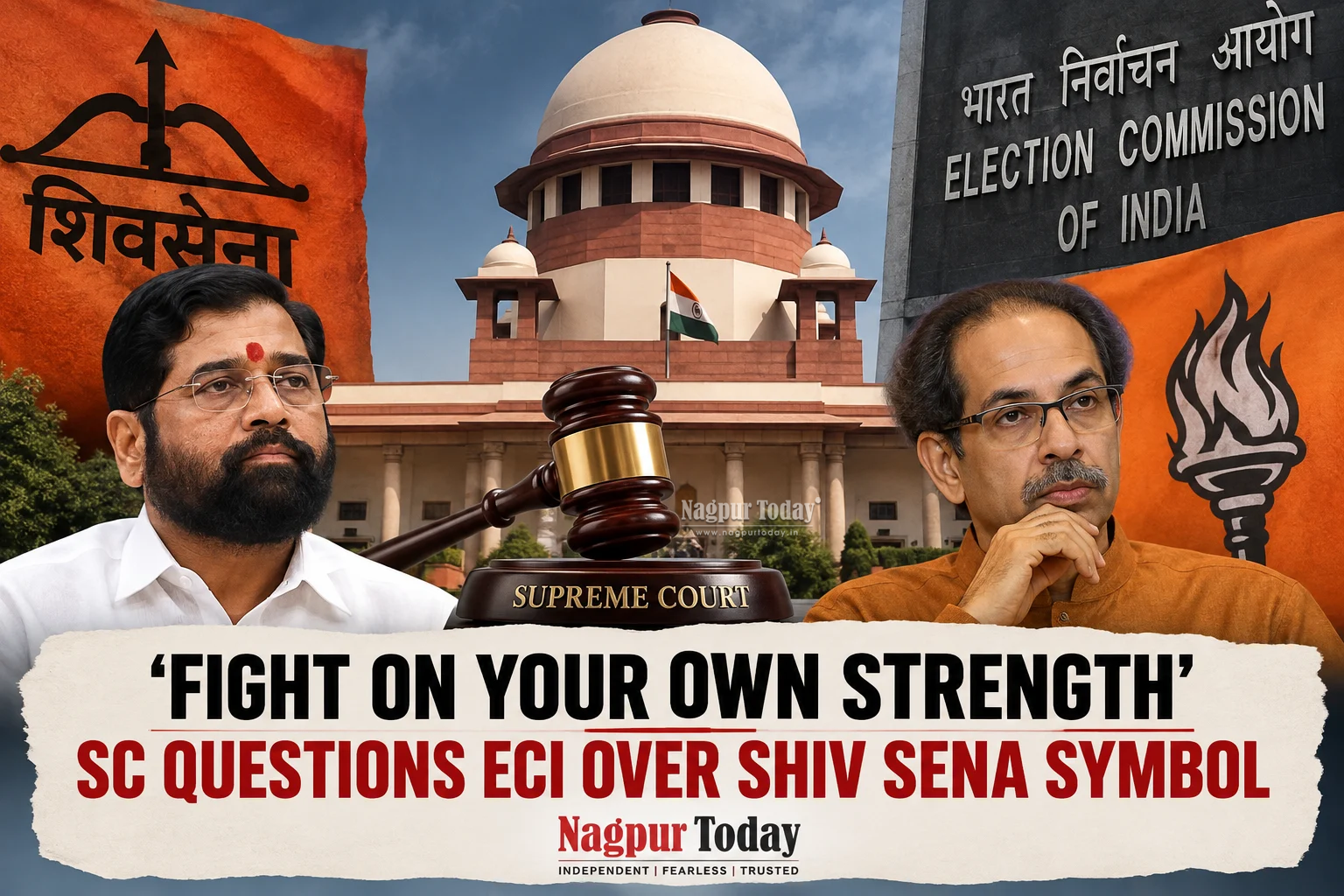
During the ongoing Supreme Court hearings on the Shiv Sena leadership dispute, a bench led by Chief Justice Surya Kant questioned why the Election Commission did not assign a neutral symbol to the rival factions rather than granting the Eknath Shinde camp the established party name and bow-and-arrow emblem.
Supreme Court Scrutinizes Election Commission Symbol Allotment
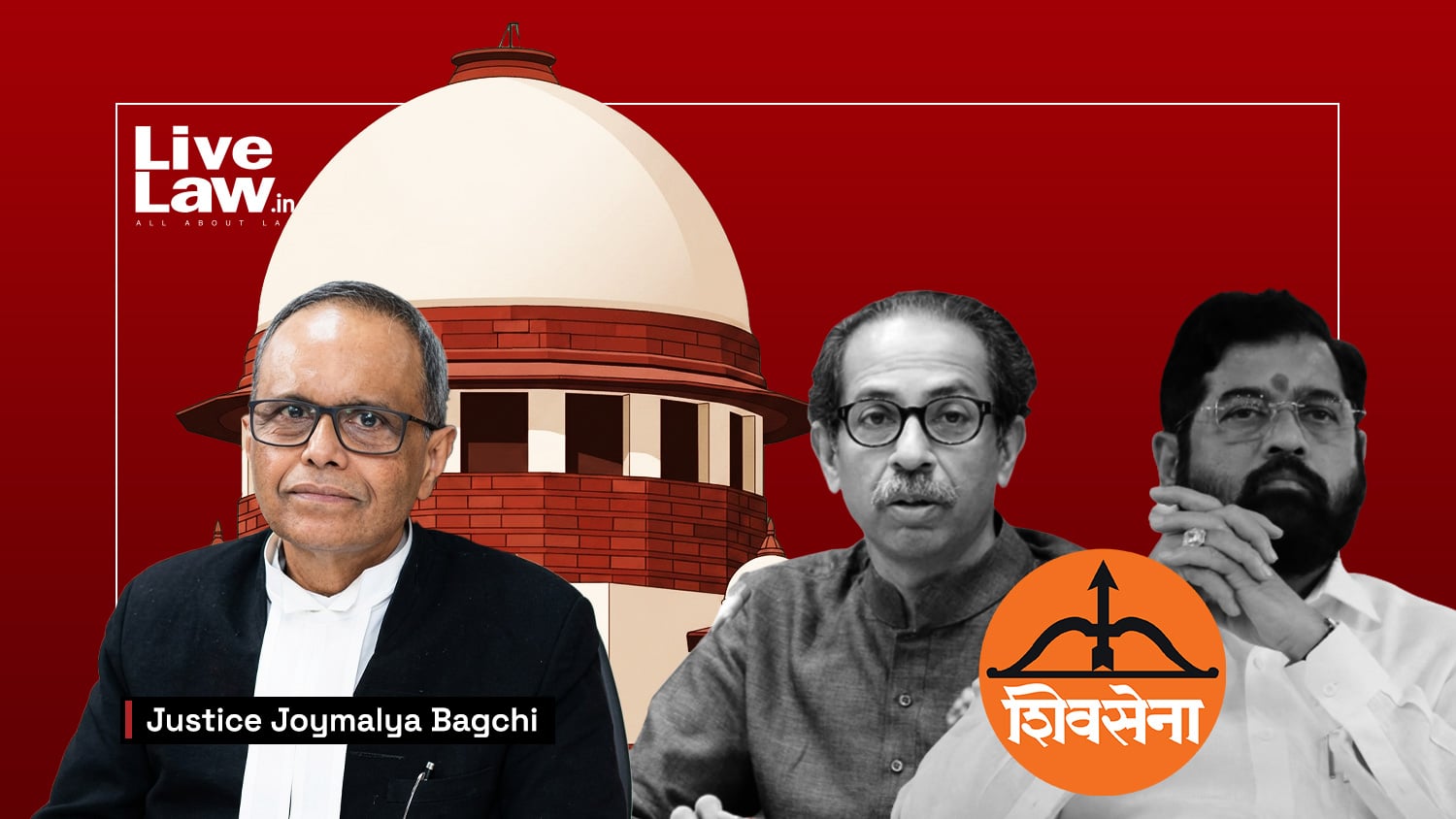
The Supreme Court examined the mechanisms behind political party recognition during hearings on petitions challenging the decisions of the Election Commission. A three-judge bench comprising Chief Justice Surya Kant and Justices Joymalya Bagchi and V.
Photo: newindianexpress.com
The bench asked why the Election Commission did not allow both factions to contest elections on their own strength instead of giving one group the immediate advantage of the existing party name and symbol. The legal challenge stems from the February 2023 decision by the Election Commission recognizing the faction led by Maharashtra Chief Minister Eknath Shinde as the real Shiv Sena and allotting it the traditional bow-and-arrow symbol.
From Instagram — related to supreme questions shiv sena, Eknath Shinde Shiv Sena Row
Both fight on your own strength, not on Balasaheb’s…It is in the wide powers of the Commission, which is an expert body in the arena of representative party democracy, to understand where and in what manner they are going to allocate symbol. We are in judicial review, where we don’t sit in the chair of the Election Commission. So, what we have to see is whether the options available on analysis of the legal premises were exhausted by the Commission, and there is our query to you that if all the tests stand vitiated, there was always the option to go to the fourth
Justice Joymalya Bagchi
The rival faction led by Uddhav Thackeray challenged that ruling, noting that the Thackeray camp was subsequently assigned the name Shiv Sena (Uddhav Balasaheb Thackeray) and the flaming torch symbol.
Shinde Faction Defends Reliance on Legislative Majority
Senior Advocate Neeraj Kishan Kaul, appearing for the Eknath Shinde-led faction, defended the poll panel’s approach during the final hearings. He argued that the Election Commission examined multiple factors beyond the 2022 split in the legislature wing, including the party Constitution, its aims and objectives, and the organisational structure, before ultimately relying on the strength of elected representatives.
Photo: nagpurtoday.in
Kaul argued that the organisational test presented practical difficulties because the internal party structure relied heavily on nominated members rather than elected grassroots representatives, while determining support among grassroots members on such a large scale would also be difficult. He noted that the organisational test had difficulties because the party’s organisational structure had an overwhelming number of nominated members, while the elected representatives were divided and facing disqualification proceedings.
“This organization set up with nominated members being in overwhelming majority does not support party aspiration or cadre aspirations. And the cadres being so numerous, impossible to get a referendum and the elected representatives being split and subject to inter se insinuations of disqualification. Then all the three tests have their inbuilt restrictions.”
Supreme Court मध्ये आज Shivsena Symbol-Logo संदर्भात सुनावणी; काय निर्णय होणार याकडे सर्वांचे लक्ष
Justice Joymalya Bagchi
Kaul maintained that the Election Commission was within its jurisdiction under Article 324 of the Constitution to examine the democratic character of a political party’s constitution and organisational structure while determining which faction represented the real party. He said the constitution relied upon by the Thackeray faction had not been registered with the poll panel, whereas the constitution submitted in 1999 followed detailed correspondence between the poll authority and the party. He said the Election Commission was not deciding which amendments should or should not be made to a party constitution, but was examining whether the organisational structure reflected the will of the cadres.
“If there are ad-hoc appointments and unelected appointees, the organisational structure does not necessarily reflect the will of the cadre.”
Neeraj Kishan Kaul, Senior Advocate for the Shinde faction
The senior advocate maintained that the poll panel had, for decades, corresponded with political parties about democratic functioning and their constitutions, and that such scrutiny fell within the poll panel’s expansive powers under Article 324 of the Indian Constitution. He also argued that the existence of a party constitution cannot prevent the poll panel from examining the organisational structure, particularly where large sections of the organisation were governed through ad hoc appointments.
Judicial Scrutiny Over Pending Disqualification Proceedings
The Supreme Court resumed final hearing on pleas challenging the Maharashtra Speaker’s refusal to disqualify MLAs of the Eknath Shinde-led camp of the Shiv Sena, with the faction defending the Election Commission’s decision. The Court is examining whether the ECI correctly applied the relevant tests and whether alternative options, including a neutral symbol, should have been considered, though the Court has not set aside the ECI decision at this stage.