
Among Swedish patients aged 80 or older admitted for a first myocardial infarction, the one-year risk of major adverse cardiac and cerebrovascular events fell by 32% between 2003-2004 and 2019-2020, while the use of invasive procedures and guideline-recommended medications rose sharply, according to an observational registry study published online on November 18, 2026, in Heart.
The analysis included 83,793 patients from the Swedish Web-System for Enhancement and Development of Evidence-Based Care in Heart Disease Evaluated According to Recommended Therapies (SWEDEHEART) registry, divided into nine two-year admission periods.
Researchers led by Dimitrios Venetsanos of Linköping University compared the first period, 2003-2004, with the last, 2019-2020. The primary outcome was one-year MACCE, a composite of all-cause death, recurrent MI, or stroke. The secondary outcome, NACCE, added readmission for major bleeding.
Patients admitted in 2019-2020 had a significantly lower adjusted hazard for MACCE (aHR 0.68; 95% CI 0.64-0.72) and for NACCE (aHR 0.73; 95% CI 0.69-0.77) than those admitted in 2003-2004. The risk for each individual component of MACCE also declined.
Over the same span, the proportion of patients undergoing percutaneous coronary intervention rose from 11.0% to 57.6%, and coronary angiography from 14.9% to 68.4% (P for trend < .001 for both). At discharge, statin prescribing increased from 34.8% to 82.0% and dual antiplatelet therapy from 22.9% to 56.5% (P for trend < .001 for both).
Major bleeding showed an opposite trend. The adjusted hazard for bleeding was higher in the final period (aHR 1.43; 95% CI 1.23-1.67), and the one-year cumulative incidence of bleeding, with death as a competing event, increased from 3.11% to 4.96%.
"Our analyses cannot establish whether or how much changes in individual treatments contributed to the observed improvement in outcomes. Other changes after discharge, including a structured follow-up, changes in treatment adherence, cardiac rehabilitation, multidisciplinary care, as well as other unmeasured factors, may also be relevant," the researchers wrote in the publication.
The authors noted several limitations: registry coverage was estimated at roughly 75% of patients aged 80 or older, potentially underrepresenting those treated outside registry-affiliated wards; evolving diagnostic criteria for MI and changes in troponin testing over the study period may have affected diagnosis and registration; and information on cognition, frailty, and quality of life was unavailable.
No specific grant funding was declared. Three authors reported financial ties such as consulting fees, lecture fees, and grants from several companies outside the submitted work.
Related reading

Supreme Court Issues Notice to Delhi Police on Umar Khalid, Sharjeel Imam Bail Pleas; Refuses Interim Relief
The Supreme Court on Wednesday issued notice to the Delhi Police on bail pleas filed by Umar Khalid...

Prabowo May Visit Baku in 2027 for 35th Anniversary of Diplomatic Ties, Envoy Says
Indonesian President Prabowo Subianto may visit Baku in 2027 for the Organisation of Islamic Cooperation summit, Indonesia’s ambassador...
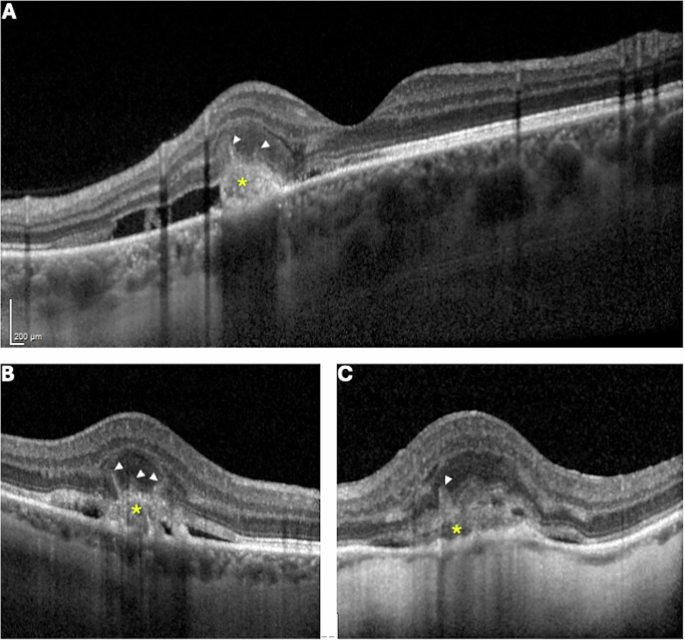
Literature Review Maps Pitchfork Sign Across Inflammatory and Non-Inflammatory CNV
A distinctive optical coherence tomography pattern — the "pitchfork sign" — helps distinguish inflammatory choroidal neovascularization from other...

ESA’s Hera Arrives at Didymos to Assess DART Impact Damage
Hera is a sort of Inspector Columbo going back to the crash scene to investigate what is the...