JWST Finds Planet Formation Is a Race Against Time in 72 Young Star Systems

Using the James Webb Space Telescope (JWST), astronomers have studied 72 young, sun-like stars to investigate how protoplanetary disks lose material.
Using the James Webb Space Telescope (JWST), astronomers have studied 72 young, sun-like stars to investigate how protoplanetary disks lose material.
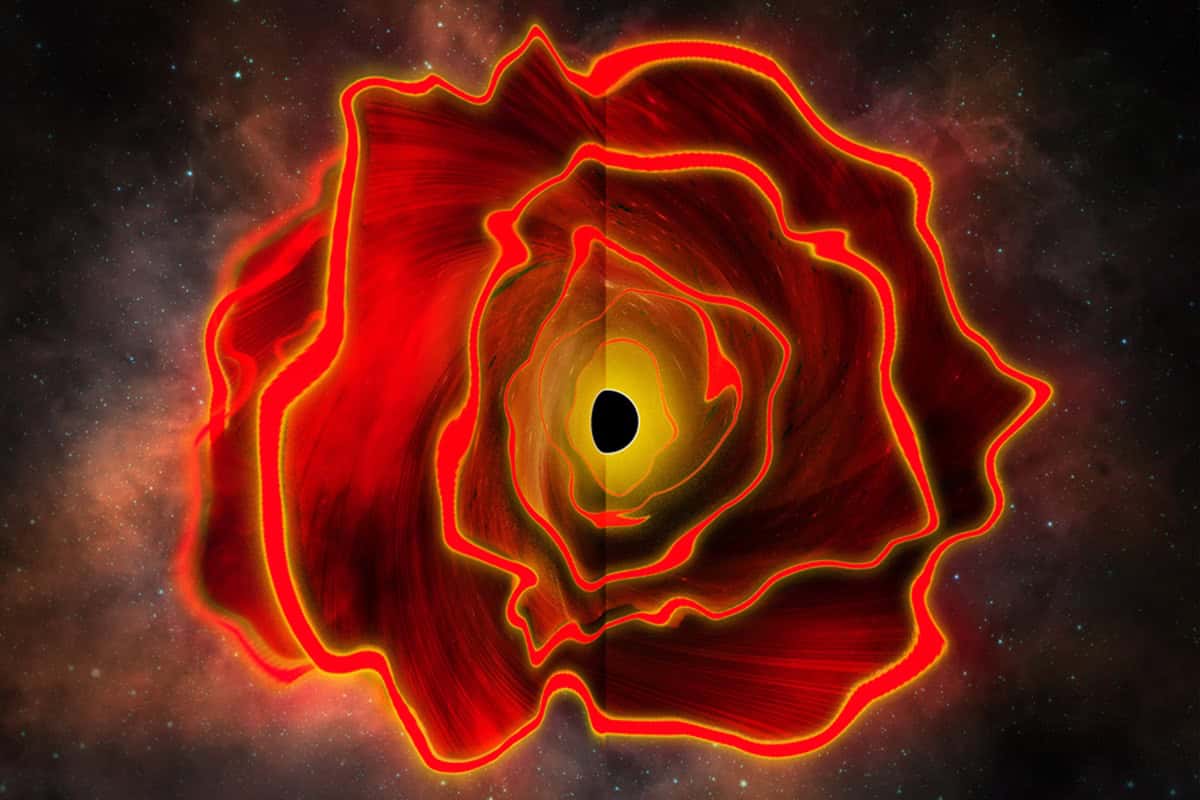
Astronomers using the James Webb Space Telescope have discovered an extremely bright red spot in the early universe, designated MoM-BH*-1, which existed 660 million years after the Big Bang. Researchers propose this object is a new type of astrophysical entity: a young black hole swaddled in a dense, nearly dust-free hydrogen cocoon. When astronomers first … Read more
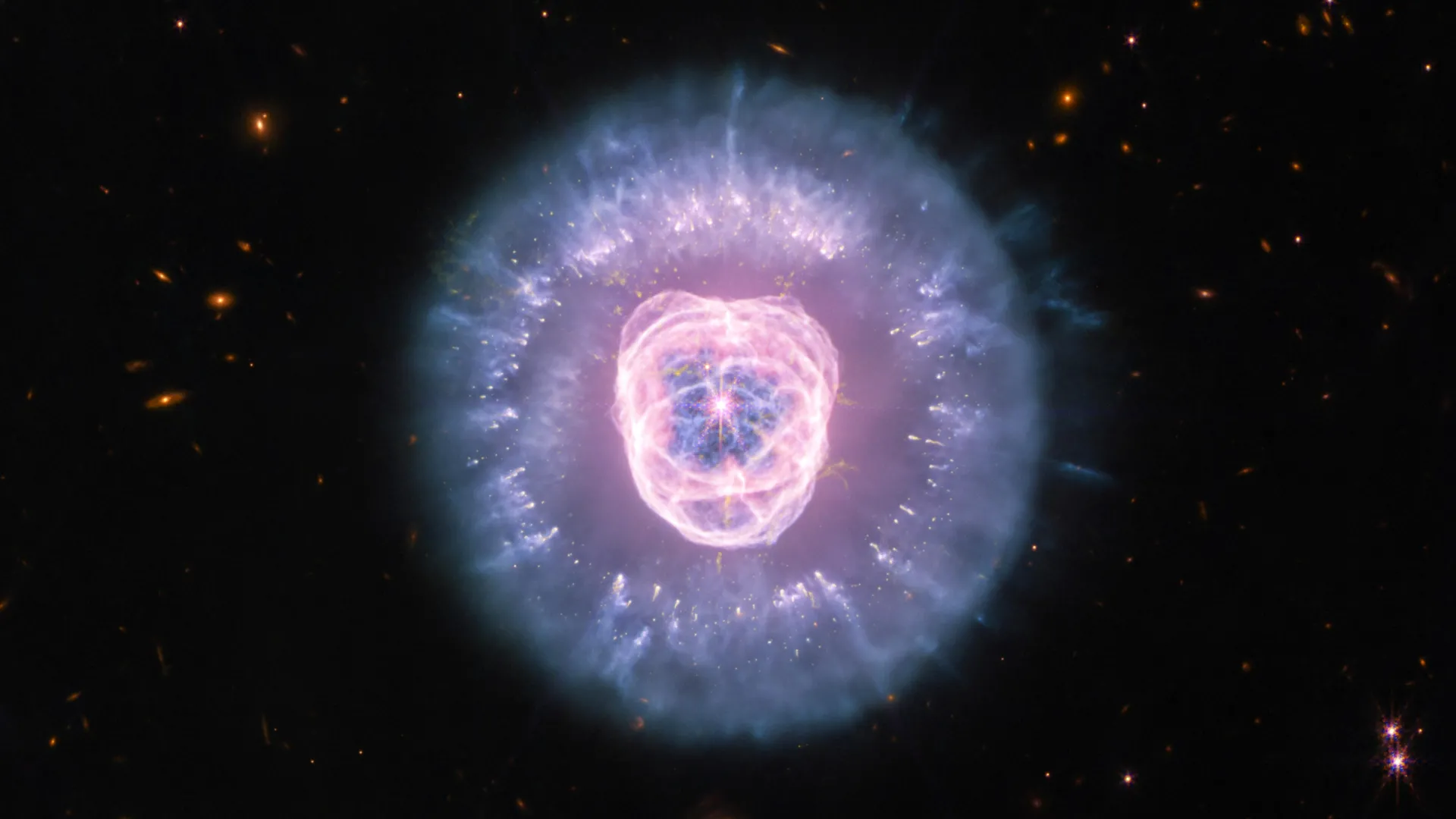
The James Webb Space Telescope has captured new images of NGC 2392, a planetary nebula commonly known as the Lion Nebula, revealing the cosmic object in striking infrared detail. Released by NASA, the images depict the celestial marvel in a level of detail that astronomers were yet to see, providing a significantly sharper view than … Read more
We use cookies to run this site, measure traffic and — with your consent — to personalize ads. See our Cookie Policy.