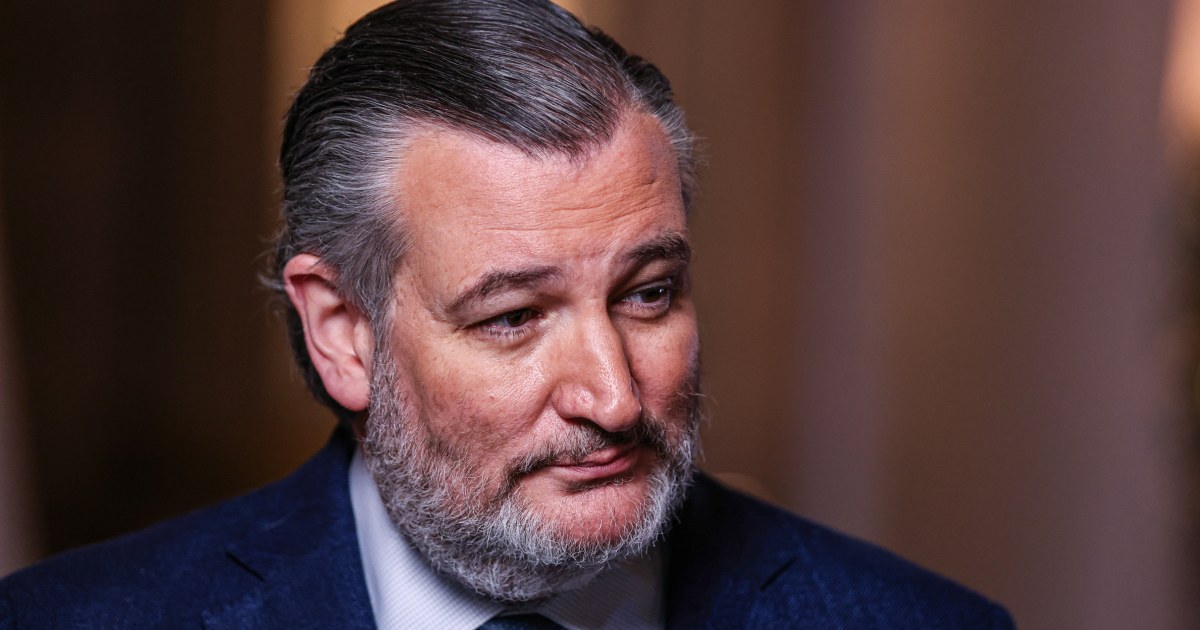
A Political Reckoning in the Lone Star State
The political geography of Texas, long considered the bedrock of Republican influence, changed significantly this week. Following a midterm cycle that saw Democrats sweep statewide races and seize control of both chambers of Congress, Senator Ted Cruz has characterized the results as a “Watergate-level repudiation.” As the only statewide elected Republican remaining in the state, Cruz’s assessment serves as a stark acknowledgment of a party struggling to reconcile its messaging with the immediate economic anxieties of its constituents.
The scale of the defeat, which NBC News reported as a “blue tsunami,” has left the Texas GOP searching for a path forward. Exit polls conducted by NBC News revealed that more than 80% of the electorate identified the rising costs of gas, diesel, groceries, utilities, and healthcare as their primary concerns. These figures highlight a reality that Cruz addressed directly: many voters felt that Republican leadership had become detached from the daily financial strain of household management.
The Economic Disconnect
In a podcast episode released Wednesday, Cruz provided a candid autopsy of the losses. He pointed to a specific list of grievances—rising insurance premiums, high food prices, and an ongoing war in Iran—as the drivers of voter dissatisfaction. “Food is too high, gas is too high, diesel is too high, insurance is too high, life is too high,” Cruz stated. By his assessment, the party failed to champion economic policies that resonated with the lived experience of working-class families, leading to a profound erosion of trust.
This sentiment was echoed by Senator John Cornyn, who, in an op-ed published by The Wall Street Journal, argued that the party had pivoted toward “performative politics” at the expense of substantive governance. Cornyn suggested that when Republicans force voters to choose between policy and personal character, the result is often “suicidal” for the party. He argued that the electorate is demanding a “big-tent” approach, one that prioritizes the daily concerns of Americans over internal ideological purity.
A Historic Shift in Leadership
The electoral outcome in Texas was particularly decisive. According to Fox News, the state saw its first Democratic U.S. Senate victory in nearly four decades, with state Representative James Talarico unseating incumbent Republican Attorney General Ken Paxton. In addition, the gubernatorial race ended with the election of Gina Hinojosa, marking the first time in over thirty years that a Democrat has held the governor’s mansion.
The voters have spoken, and I want to extend my congratulations to James Talarico on his election to the U. S. Senate. I look forward to meeting him and offering my assistance with his transition as he prepares to serve Texans in the U. S. Senate.
James Talarico said in a CBS News report that the power in this state and country belongs to the people and it has to stay that way, emphasizing a campaign focused on campaign finance reform and curbing the influence of ultra-wealthy donors.
Despite the grim results, Cruz has signaled a willingness to engage with the new Democratic leadership. He confirmed that he placed a congratulatory call to Talarico, describing the interaction as a “pleasant conversation” and expressing an interest in finding common ground on issues that benefit Texas. However, he maintained a firm ideological stance, vowing to oppose policies such as tax hikes or border policies he disagrees with, while insisting that the state has not undergone a permanent ideological transformation.
The Path to Rebuilding
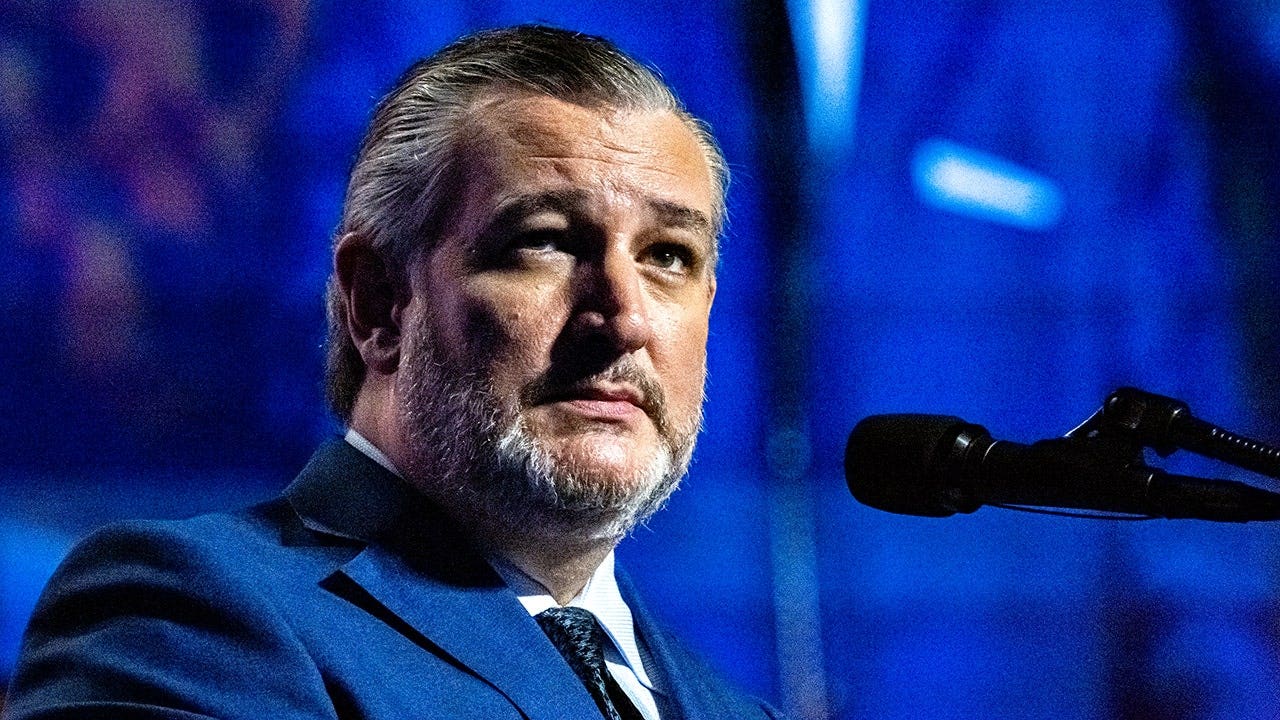
As the GOP looks toward the next election cycle, the debate over how to regain the electorate remains open. Cruz has explicitly rejected the idea that Texas has pivoted toward socialism, framing the future of the party as a return to “free-market conservatism” that focuses on the needs of a “blue-collar party.” He pointed to previous legislative efforts, such as the Education Freedom Tax Credit, as examples of the types of policies he believes the public failed to fully appreciate.
Analysts suggest that Cruz now occupies a unique position as the last statewide elected Republican official in Texas, a role that will likely define his influence in the Senate for the next four years.
My first statewide race was trying to defeat Ted Cruz. Now he’s the last Republican standing statewide in Texas. We’re coming for you next Rafael! pic.twitter.com/i0lyhgsWrX
More on Ted Cruz
History was made last night. For months, we were saying that 2026 was the most consequential midterm election of our lifetimes. Unfortunately, we were right. Sometimes history is to be celebrated; other times, it is to be mourned. Always, it must be reckoned with. 2026 was…
Keep reading

Hidemaro Fujibayashi Discusses Legend of Zelda: Ocarina of Time Remake
What really impressed me was the fact that they really embraced the theme of what not to change...

Amazon Kindle Colorsoft Review: The Single-Task Gadget of Our Times
Amazon released the 2026 Amazon Kindle Colorsoft on October 29, 2026, for $289.99 for the standard plastic model.

UCC Study Speeds Up Cerebral Palsy Diagnosis in Irish Infants
New assessment protocol cuts cerebral palsy diagnosis time by 17 months Children in Ireland are receiving a cerebral...
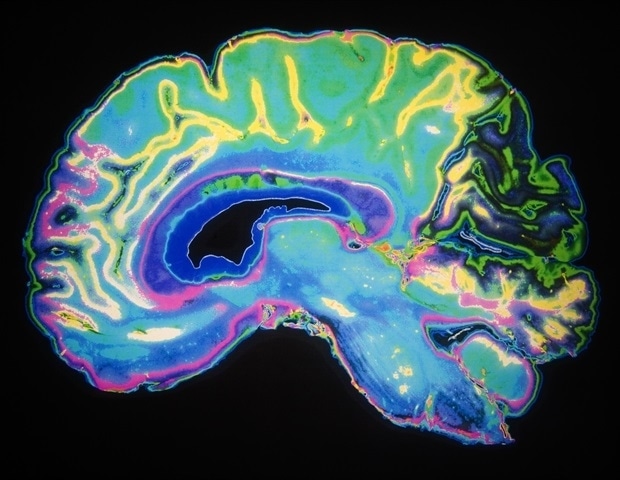
DGIST Researchers Develop NONOS to Precisely Separate Brain Rhythms
New AI Signal Processing Refines Parkinson’s Deep Brain Stimulation Patients living with Parkinson’s disease may soon benefit from...