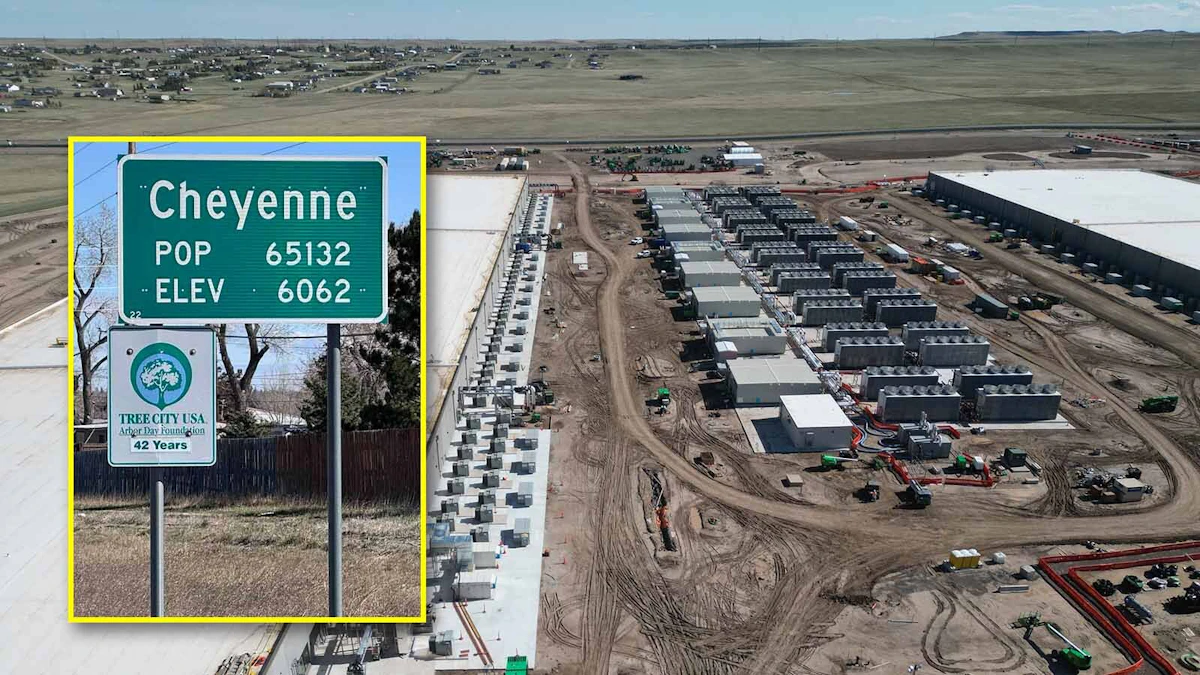
Cheyenne, Wyoming, is currently undergoing a rapid transformation as tech giants like Google and Meta construct massive data center campuses, raising local concerns about whether the city has a viable contingency plan if the artificial intelligence investment bubble eventually bursts and leaves behind stalled projects or abandoned infrastructure.
The skyline south of Cheyenne is changing, dominated by the skeletal steel of massive data center campuses. As companies pour billions into these facilities, the city finds itself at a crossroads between unprecedented economic growth and the fear of a repeat of the early 2000s dot-com crash. While developers and some local officials view the expansion as a permanent shift in the regional economy, others argue that the city lacks a clear strategy for managing a potential, sudden market pullback.
The Debate Over AI-Purposed Infrastructure
Betsey Hale, CEO of Cheyenne LEADS, the economic development group spearheading recruitment for Laramie County, remains optimistic about the city’s resilience. She argues that the characterization of these projects as speculative “AI bubbles” misses the mark. According to Hale, the vast majority of the infrastructure currently rising in Cheyenne is built for cloud computing—the backbone of everyday digital life, from online banking to streaming media—rather than solely for generative AI workloads.
I don’t think we’re going to see a bust. I’m confident here that we have an ability to be resilient because of the diversity of the companies that are coming here and the strength of the companies.
Hale suggests that the skepticism currently surrounding the industry is more reflective of national political discourse than actual market fundamentals. With dozens of high-profile elections across the U.S. centering on data center development, the narrative of a coming crash has become a convenient political talking point, she told Cowboy State Daily.
Lessons from the Telecom Bust
For Cheyenne City Council member Larry Wolfe, the current enthusiasm feels hauntingly familiar. In the late 1990s, Wolfe witnessed the massive deployment of fiber-optic networks across Wyoming. When the dot-com bubble burst, the demand for that connectivity vanished almost overnight, leaving companies bankrupt and expensive infrastructure lying dormant for years. Wolfe argues that today’s data center boom, fueled by massive capital investment and complex power grid overhauls, carries significantly higher stakes than the telecom rush of the past.
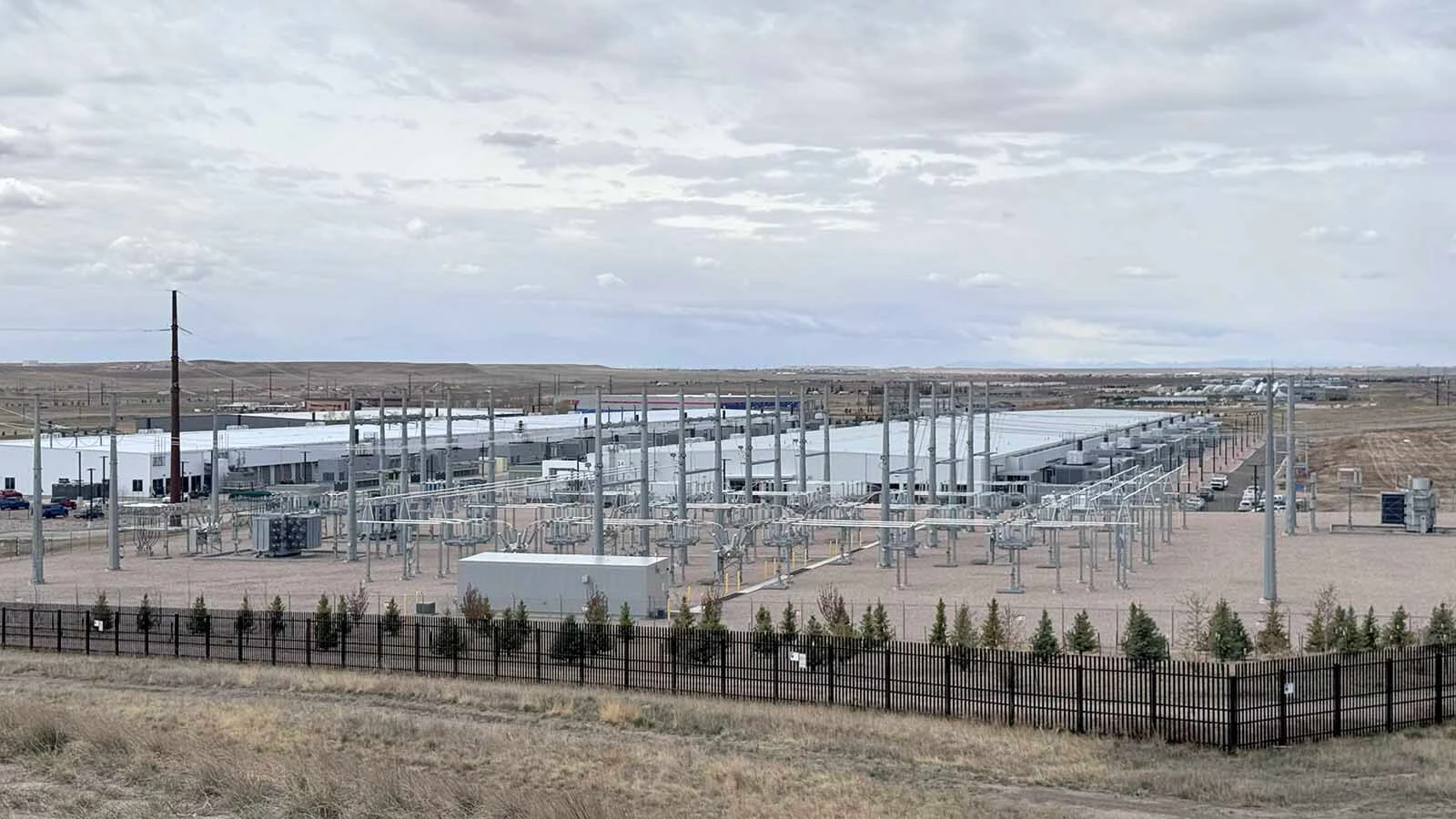
Unlike the fiber-optic era, which primarily involved smaller crews burying cable, the current wave of construction involves gargantuan physical campuses. If those companies were to walk away mid-buildout, or if the technology inside the servers became obsolete, Cheyenne would be left with millions of square feet of specialized, difficult-to-repurpose industrial space. Wolfe remains one of the few local voices pushing for explicit decommissioning rules to protect the city from becoming a graveyard of abandoned tech facilities.
Transient Labor Force Buffers Local Permanent Market
A major question for residents is what happens to the local economy if the construction cranes stop moving. David Bullard, a senior economist with the Wyoming Department of Workforce Services, notes that the impact of a slowdown might be mitigated by the nature of the current labor force. Much of the specialized labor required for these massive buildouts is drawn from outside the state, as the local population alone cannot meet the intense demand for such large-scale projects.
While the temporary nature of this construction workforce provides a buffer for the local permanent labor market, it does little to address the long-term concerns regarding city planning. Fellow City Council member Pete Laybourn has expressed frustration that leadership is currently consumed by the immediate pressures of the boom, leaving little bandwidth to prepare for the inevitable cycle of contraction that follows periods of intense industrial expansion.
As Cheyenne continues to annex thousands of acres to accommodate large-scale data center projects, the tension between aggressive growth and risk management remains unresolved. At public hearings, the question of what happens when the money stops flowing continues to meet with shrugs, leaving the city to rely on the hope that the cloud, unlike the dot-com dream, is here to stay.
Worth a look

Milwaukee Brewers Announce 2026 BBWAA Award Winners: Brice Turang Named MVP
Brewers Announce 2026 BBWAA Award Winners Following Historic Championship Season The World Series champion Milwaukee Brewers have officially...

Shannon Taylor leads Rob Wittman in uncalled Virginia 1st District race
The 1st District Vote Count Continues The race for Virginia’s 1st Congressional District remains uncalled as of Wednesday...

Nabila Lulow Drives Business Transformation via NobleOne Consultants
Nabila Lulow currently serves as the President of the Society for Information Management (SIM) Seattle Chapter, positioning herself...
Carpenter-Carse Library Seeks Youth Assistant in Hinesburg
Carpenter-Carse Library Seeks Part-Time Youth Assistant to Shape Hinesburg's Young Minds The Carpenter-Carse Library in Hinesburg, Vermont, is...