
Tennessee voters just caught a glimpse of competitive statewide politics, though the state’s leading candidate was conspicuously absent from the room.
Three of the four major candidates for governor faced off on the campus of Middle Tennessee State University in Murfreesboro, marking the first gubernatorial forum in the state in eight years. Hosted by the Tennessee Press Association, the event brought together candidates across the political spectrum to debate pressing local policies just one week before the election. U.S. Sen. Marsha Blackburn, the Republican nominee and heavy favorite to win the race, declined the invitation.
Her no-show extends an ongoing trend among Tennessee Republican candidates, who have increasingly bypassed stage debates against their opponents. Blackburn also refused to debate her Republican gubernatorial primary opponents earlier this year and didn’t debate during her 2024 U.S. Senate reelection campaign.
Empty Podiums and Absent Frontrunners
Democratic candidate Jerri Green, a Memphis city councilmember, did not mince words about the frontrunner’s absence during the forum.
“I’m the only candidate on this stage that won a primary,” Green told the audience, calling it a shame that the only other candidate with a viable path to victory refused to debate.
Alongside Green stood independent candidate David Hatley, a Washington County hot tub mogul running as a conservative. Hatley has broken conventional campaign molds by pumping nearly $12 million of his own money into his run while completely refusing external donations. He is attempting to carve out a niche to secure enough conservative votes without entirely splitting the ballot, a dynamic that could potentially clear a path for Green in a multi-way race.
The field is rounded out by Lauren Pinkston, an independent candidate running on a moderate platform. Pinkston emphasized during the event that a vast portion of voters feel completely alienated by the rigid two-party establishment.
Clashing Over Data Centers and Local Power
Beyond the political friction, the candidates sparred over the economic pressures transforming local communities across Tennessee, particularly the rapid proliferation of massive data centers. Major artificial intelligence companies have ramped up their lobbying efforts ahead of the 2027 legislative session, pushing back against local backlash.
Several Tennessee communities have implemented construction moratoriums over fierce concerns that data centers are driving up residential electricity prices and leaving negative environmental footprints. State lawmakers and the incoming governor will soon have to decide whether to pass state preemption laws that override local moratoriums.
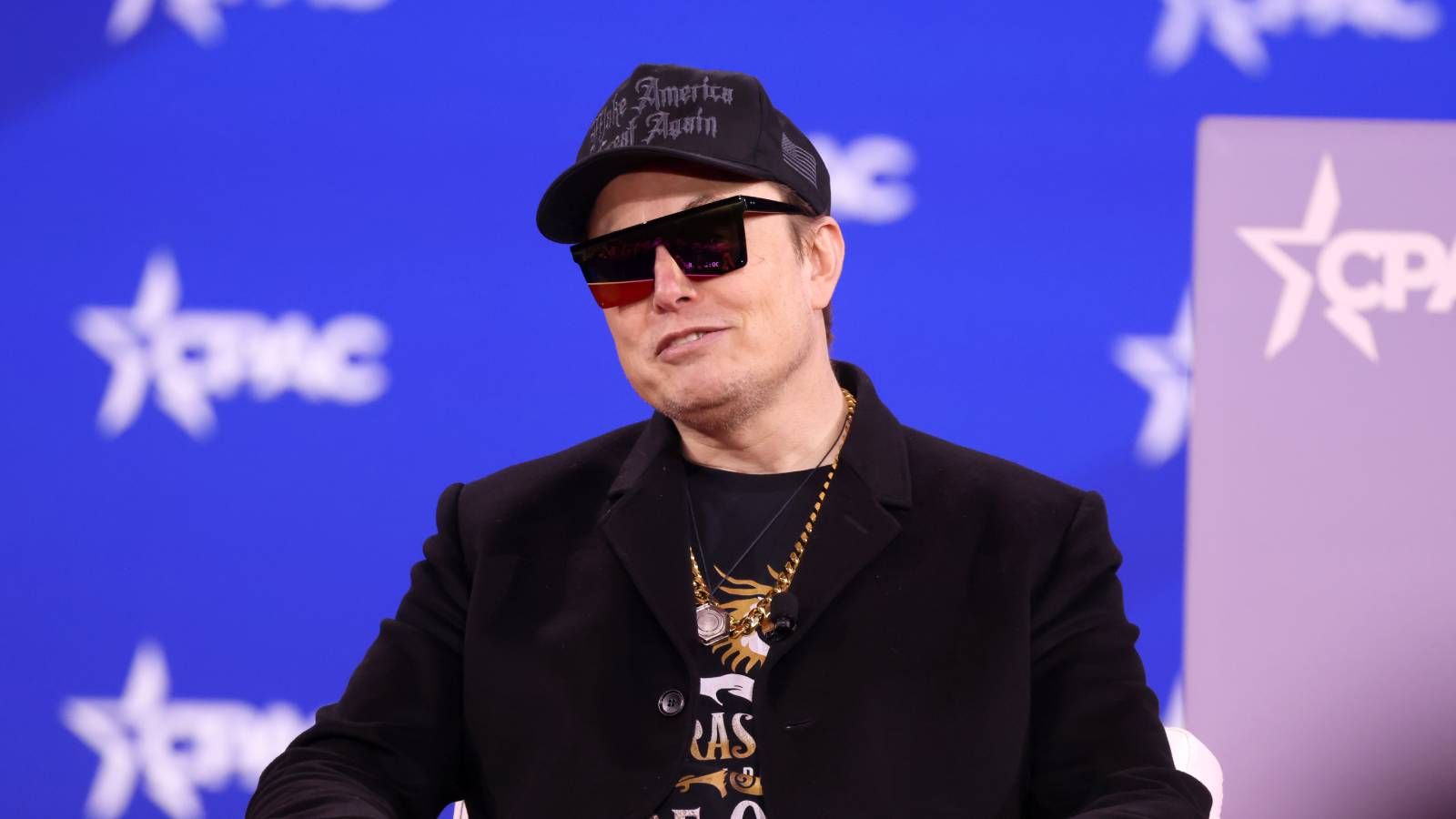
Green staked out a hardline opposition stance during the forum.
“Elon Musk and his like need to go,” Green said, pointing to her past fights against the construction of XAI’s data center in Memphis.
Pinkston aligned with Green in supporting a statewide construction moratorium. Hatley took a more conditional approach, arguing that data centers should only be welcomed if strict guardrails are put in place and operators pay their fair share of property taxes. Blackburn has not publicly declared a position on state preemption or local moratoriums.
Meanwhile, the debate over private school vouchers exposed deep philosophical fractures regarding state spending. Tennessee’s expanded private school voucher program currently costs taxpayers $310 million annually, funding approximately $7,300 per student for roughly 35,000 students to attend private schools. Blackburn has actively championed voucher expansion and received millions in financial backing from supporting political action committees.
Challengers at the forum pushed back against the initiative. Hatley and Pinkston noted that most rural counties lack private schools entirely, rendering the program useless for families outside major metro areas. Green dismissed the entire framework as an out-of-state interest scam, asserting that public taxpayer dollars belong strictly in public classrooms.
Toll Lanes and the Infrastructure Deficit
The next administration will also inherit a structural funding shortfall in the state’s transportation department. An intergovernmental agency report recently recommended that lawmakers consider new taxes or borrowing mechanisms to bridge a $400 million deficit.
When asked about potential solutions, the candidates unanimously rejected the implementation of more toll-lane projects. Green categorized toll lanes as fast-track routes exclusively for wealthy commuters, while Hatley questioned why the state would pursue a strategy that has already floundered in other jurisdictions.
While her opponents debated policy in Murfreesboro, Blackburn’s campaign maintained its messaging through conservative media outlets, highlighting proposals to implement a government efficiency program modeled after federal efforts.
Keep reading
- Advanced Blockchain Portfolio Company Panoptic Launches V2 Protocol
- Wyoming Attorney General Says DOJ Election Monitors Can Be Banned From Polling Places
- A 42% Cut in Melanoma Relapse Means 12 More Per 100 at Two Years (daybreakwire.com)
- Alexander Brothers Each Sentenced to 30 Years for Sex Trafficking (newsarchyuk.com)

Advanced Blockchain Portfolio Company Panoptic Launches V2 Protocol
Advanced Blockchain AG portfolio company Panoptic launched version 2 of its decentralized options protocol on the public mainnet,...

Wyoming Attorney General Says DOJ Election Monitors Can Be Banned From Polling Places
Wyoming Attorney General Keith Kautz has issued an opinion concluding that state law didn’t authorize U.S. Department of...

Ohio State defense could use Wisconsin blueprint to beat USC
The Buckeye Dilemma in Los Angeles Following an injury-riddled 19-15 victory over Indiana on Oct. 17, Ohio State...
Charleston Residents Share Priorities for 2027 City Budget Draft
The city of Charleston is currently taking shape on its 2027 spending plan, opening the floor for residents...