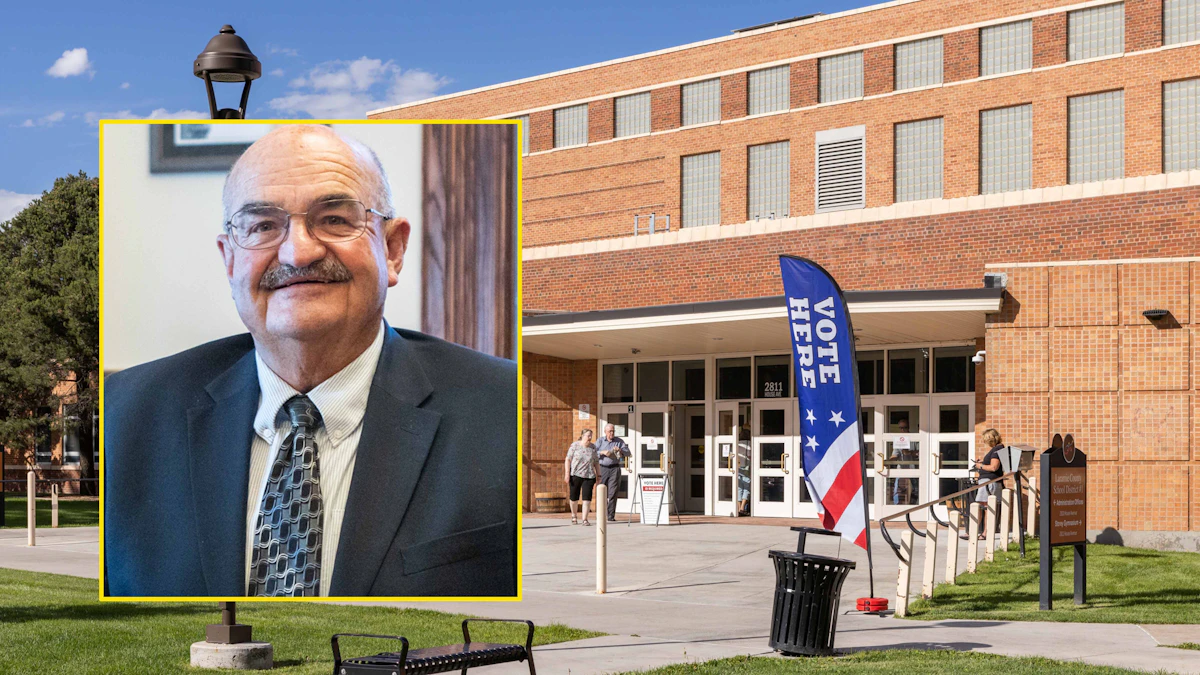
Wyoming Attorney General Keith Kautz has issued an opinion concluding that state law didn’t authorize U.S. Department of Justice election monitors to be in the polling places, and Wyoming authorities can remove them, setting the stage for a conflict ahead of the Nov. 3 general election.
The Legal Clash Over Polling Place Access
The dispute centers on Laramie County, where federal monitors deployed to Cheyenne on primary election day, Aug. 18. Following that incident, Laramie County Clerk Debra Lee requested guidance from the state’s top legal officer.
In his opinion, Kautz pointed directly to the 10th Amendment of the U.S. Constitution, which reserves powers not delegated to the federal government to the states. While federal law and the Constitution are supreme, the Constitution specifically grants state legislatures the authority to set the times, places, and manner of elections.
Wyoming law requires county clerks and election judges to preserve order at the polls by any necessary and suitable means. Furthermore, state law strictly limits who can enter controlled-access areas. Voting booths and voting machines must remain clear of everyone except voters marking ballots and election officials discharging their duties.
While the state allows one poll watcher from each political party to observe turnout and registration, Kautz noted that no state law permits members of the general public or federal officials to monitor controlled polling areas without a court order, settlement agreement, or consent decree.
“The DOJ’s general interest in monitoring compliance with federal law does not give it authority to enter a polling place where Wyoming law excludes the general public,” Kautz wrote.
Preparing for November 3
The DOJ Civil Rights Division informed Lee’s office that monitors will again be deployed to the state’s largest county on Nov. 3. This time, however, local authorities intend to enforce state restrictions.

Disturbing a polling place is a criminal misdemeanor in Wyoming, meaning the sheriff could get involved if merited. However, Lee’s office stated that the DOJ has agreed to comply with Kautz’s opinion.
Under the agreed arrangement, federal monitors must remain 100 yards away from polling places and may only interview voters who agree to be interviewed. DOJ representatives met virtually with Lee and other county officials to confirm their agreement to abide by the opinion.
Lee praised the advance communication, noting that it aids preparations for staff and voters. She also pointed out that the monitors who visited on Aug. 18 found no concerns about her office’s compliance with federal election laws.
Weighing Federal Oversight Against State Authority
Election monitoring by the DOJ for compliance with civil and voting rights laws is common in many parts of the country. For Wyoming, however, it is a unique experience. Former staffers of the Wyoming Secretary of State’s Office reported no recollection of such an operation in the last 40 years, if ever.

In announcing its August operation, the DOJ invoked six federal statutes, including the Voting Rights Act, the National Voter Registration Act, and the Help America Vote Act. Kautz’s opinion countered that none of these laws directly authorize DOJ monitoring without a court order, consent decree, or settlement agreement—none of which apply in Wyoming at the present time. Additionally, the state is exempt from the National Voter Registration Act.
Secretary of State Chuck Gray defended the initial August monitoring incident, saying election observation is allowed. Conversely, Gov. Mark Gordon expressed concern and opposition to what he called surprising breaches of the state’s elections process.
With local security partners, the sheriff’s office, and election staff finalizing briefings ahead of Nov. 3, Laramie County officials are focused on maintaining a secure environment. As Lee noted, her office is committed to following Wyoming law and protecting citizens’ rights to vote privately and safely without disruption.
Related reading
- WillScot Quick-Connect Canopy Protects Phoenix Retail Remodel Site
- PAC pays all tabs at Anchorage coffee shop to encourage voting
- Dollar General's Four Test Buys: 30 Price Errors, 21 Against the Shopper (daybreakwire.com)
- Netanyahu trails opposition in Israeli election exit polls (world-today-news.com)
WillScot Quick-Connect Canopy Protects Phoenix Retail Remodel Site
Phoenix Retail Remodel Deploys WillScot Quick-Connect Canopy for Parking Lot Shade On an active retail remodel site in...

PAC pays all tabs at Anchorage coffee shop to encourage voting
Anonymous PAC Covers Every Tab During Anchorage Conventions "It was seriously the most rewarding thing I’ve ever done....

Madison County families urged to complete annual Impact Aid forms
Each October, families across Madison County, Huntsville, and Madison City are urged to complete a simple federal form...

Singapore to Raise Retirement Age to 65 and Re-employment Age to 70 by 2029
On October 26, 2026, in Singapore, the Tripartite Workgroup on Senior Employment released a sweeping blueprint to address...