
“It was threatened. It was by the river. It was in this sort of arts part of the city,” Alan Minskoff recalled of the dilapidated structure along the Boise River. “It chose us.”
After months of closures and updates, the Treasure Valley literary landmark known simply as The Cabin has officially reopened its doors to the public, welcoming back a community eager to anchor the arts at the center of local civic life. Behind the doors of the historic building—once an administrative office for the Idaho State Forestry Department and later the Department of Lands—lies a decades-long preservation battle led by local figures like Minskoff, who serves as the director of journalism at The College of Idaho.
From State Forestry Office to Boise’s Literary Hearth
The building’s path to becoming a thriving cultural non-profit was hardly straightforward. Purchased by the city of Boise in 1992, the structure sat dormant for years as its ultimate purpose hung in limbo. Then, a pivotal phone call in 1995 changed the trajectory of the historic site entirely.
Gaetha Pace, executive director of the Idaho Heritage Trust at the time, reached out to Minskoff, an early Idaho resident whose deep preservation roots stretched back to helping found Friends of Old Buildings—now known as Preservation Idaho—in the 1970s. Pace “knew I would be someone who wanted to see that the building was saved,” Minskoff recounted to BoiseDev.
Minskoff brought the idea to his writing group, the Snake River Writers, pitching the radical notion of transforming the abandoned forestry building into a dedicated literary center. He then coordinated a plan with city planner John Bertram, setting the stage for a classic municipal showdown over prime real estate.
Lobbying the City Council and Raising the Stakes
Securing the lease meant convincing a skeptical Boise City Council, which faced competing proposals for the space, including a bid from the Boise River Festival.
“We had to lobby them. And I think, to be fair, there were a number of people on that council who thought, ‘Well, this isn’t going to happen, so we will make it arduous for them,’” Minskoff said.
The council struck a hard bargain, dangling an extraordinarily low lease price on the condition that the organizers completely renovate the decaying structure. Local leaders reportedly expected the fledgling group to fail at fundraising. Instead, Minskoff and the newly formed Log Cabin Literary Center raised the necessary capital, restored the building, and established a permanent cultural anchor.
Today, as a vibrant non-profit, The Cabin operates far beyond its physical walls. It runs summer camps for children, dispatches local writers into regional classrooms, hosts adult writing classes, and brings world-renowned authors to landmark venues like the Morrison Center and The Egyptian Theatre.
Educating the Next Generation of Writers
For Minskoff, whose extensive journalism career includes editing both Idaho Heritage Magazine and Boise Magazine, the reopening marks a full-circle moment. Now teaching the next generation of writers and reporters at The College of Idaho, he watches his students reach new heights built directly on the foundation of the robust artistic community he and his peers fought to protect over the past fifty years.
With the physical building fully updated and a staff ready to jump back into daily programming, the historic cabin by the river remains a testament to what happens when local preservationists refuse to let an abandoned property slip away.

June Jones, Legendary Hawaii Football Coach, Dies at 73
June Jones, the legendary football coach who transformed the University of Hawaii into a national powerhouse with his...
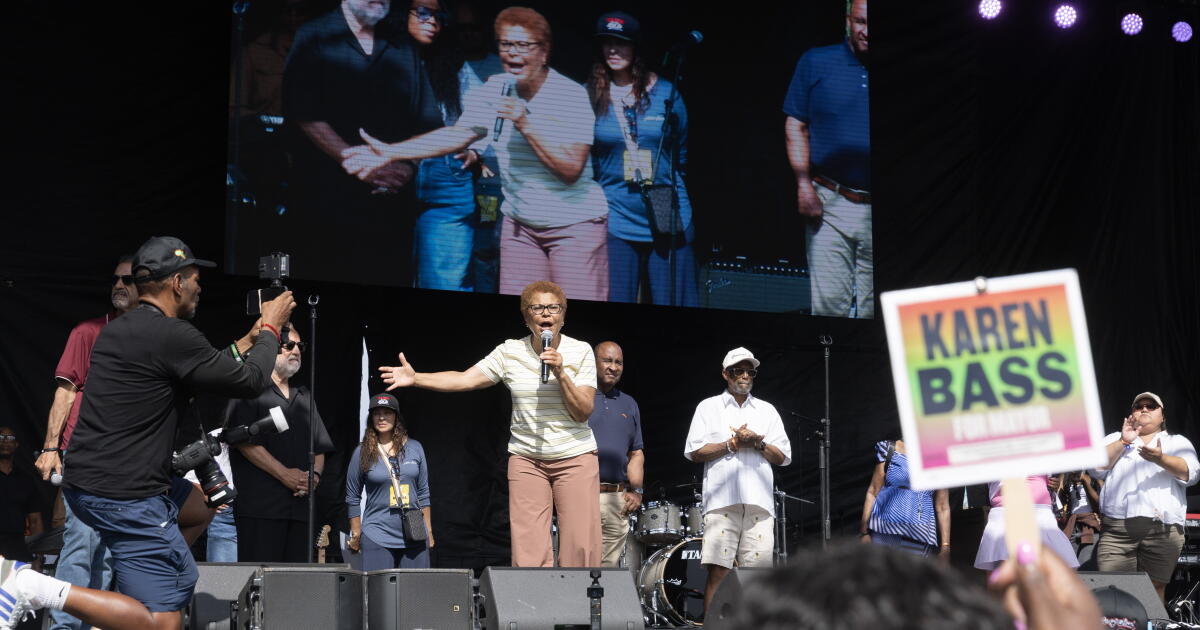
L.A.’s Black leaders uneasy about Bass’ prospects amid declining clout at City Hall
Standing on a stage stretched across Crenshaw Boulevard amid 90-degree mid-October heat, Mayor Karen Bass delivered a familiar...
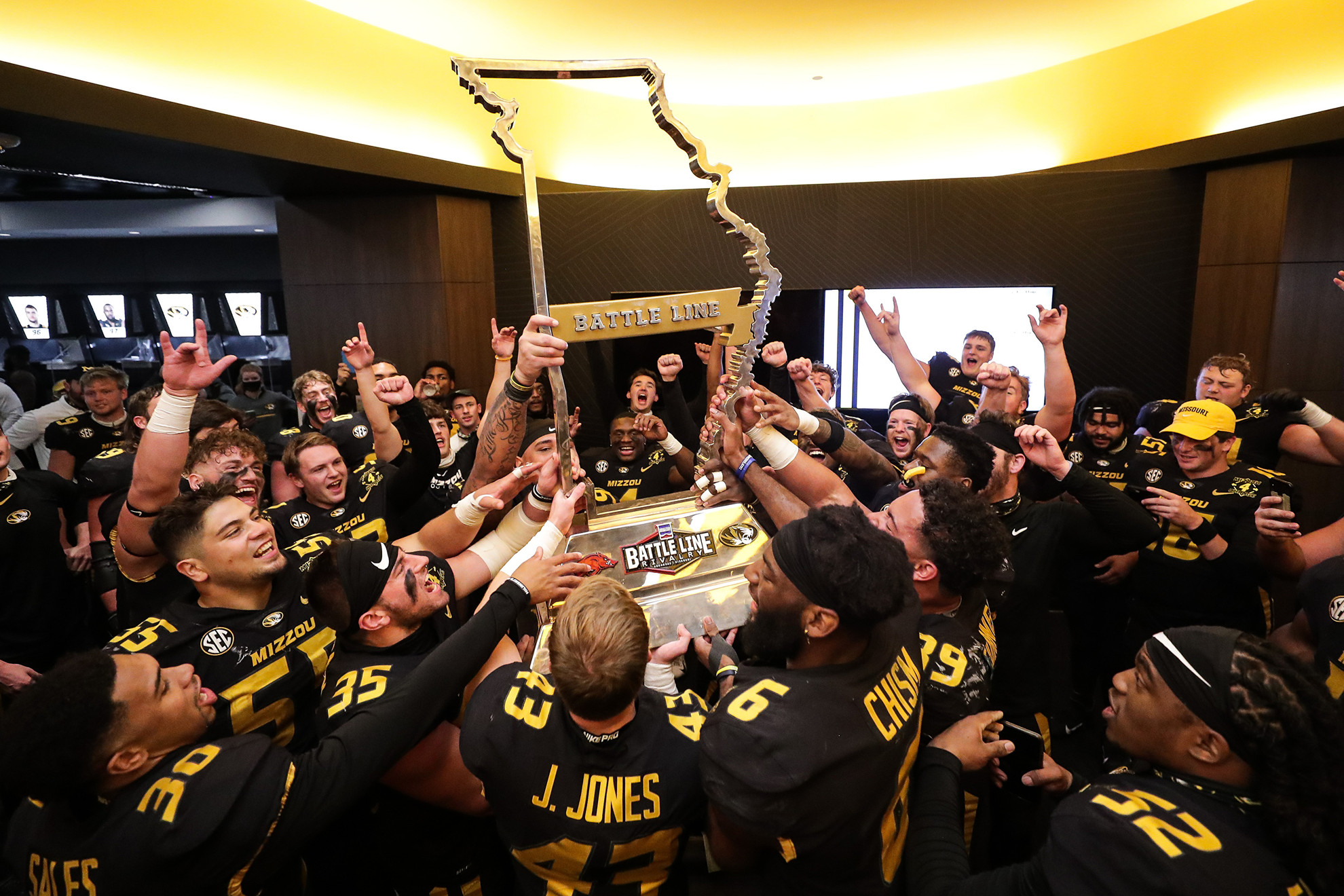
No. 23 Mizzou Football vs. Arkansas: Battle Line Rivalry Preview and How to Watch
No. 23 Tigers Travel to Fayetteville for Halloween Night Battle Line Rivalry Against Arkansas The 23rd-ranked Mizzou football...

Florida Nears 4 Million Votes With Republicans Leading Early Turnout
Florida is closing in on a significant turnout milestone as the state nears 4 million ballots cast ahead...