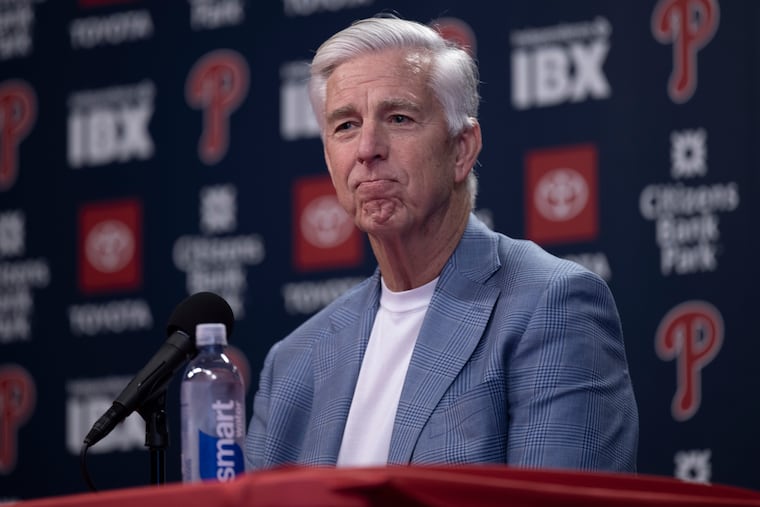
The cost of reactive roster building has left the Philadelphia Phillies operating in a reactive mode for much of Dave Dombrowski’s tenure, defined by outspending the market at the top or scrambling to fill gaps at the deadline as detailed by The Inquirer.
Reactive Habits Versus Strategic Proactivity
Under Dombrowski, the Philadelphia Phillies have largely fallen into two consequential decision-making flavors: outspending everyone else at the top of the market for the best available player at a position of need, or desperately filling remaining gaps at the trade deadline. While Dombrowski has executed successful moves outside of this reactive mode—such as trading Matt Strahm for Jonathan Bowlan or acquiring Jesus Luzardo—even those transactions often stretch the definition of forward-thinking.
Lessons from the World Series Teams
Observer discussions surrounding this year’s World Series participants often focus on tactical approaches like speed, contact, and small ball used by Milwaukee and Tampa Bay, contrasting with the power-heavy style of the Dodgers. However, the true lesson from the Rays and Brewers lies in roster construction. Illustrative examples include the Rays trading 22-year-old minor league right-hander Tobias Myers to the Guardians for an 18-year-old Dominican Summer League rookie named Junior Caminero ahead of Rule 5 eligibility, which ultimately yielded a consensus Top 5 prospect. Another proactive move involved trading 23-year-old Top 50 prospect Jake Bauers to the Guardians for 27-year-old Yandy Diaz.
The Open Question for Philadelphia
Whether the Philadelphia Phillies can successfully pivot away from high-priced spending and deadline scrambling toward the sophisticated player acquisition models practiced by organizations like the Rays remains entirely unresolved.
Worth a look

Golden State Warriors Injury Report and Porzingis Update vs. Magic
According to the official Golden State Warriors injury report released ahead of their matchup against the Orlando Magic,...

Packers Analysis: Jordan Love Mechanics and Team Depth
Jordan Love’s Rocket Balls and the Packers' Ground Game Focus In a recent column, analysts discussed the evolution...
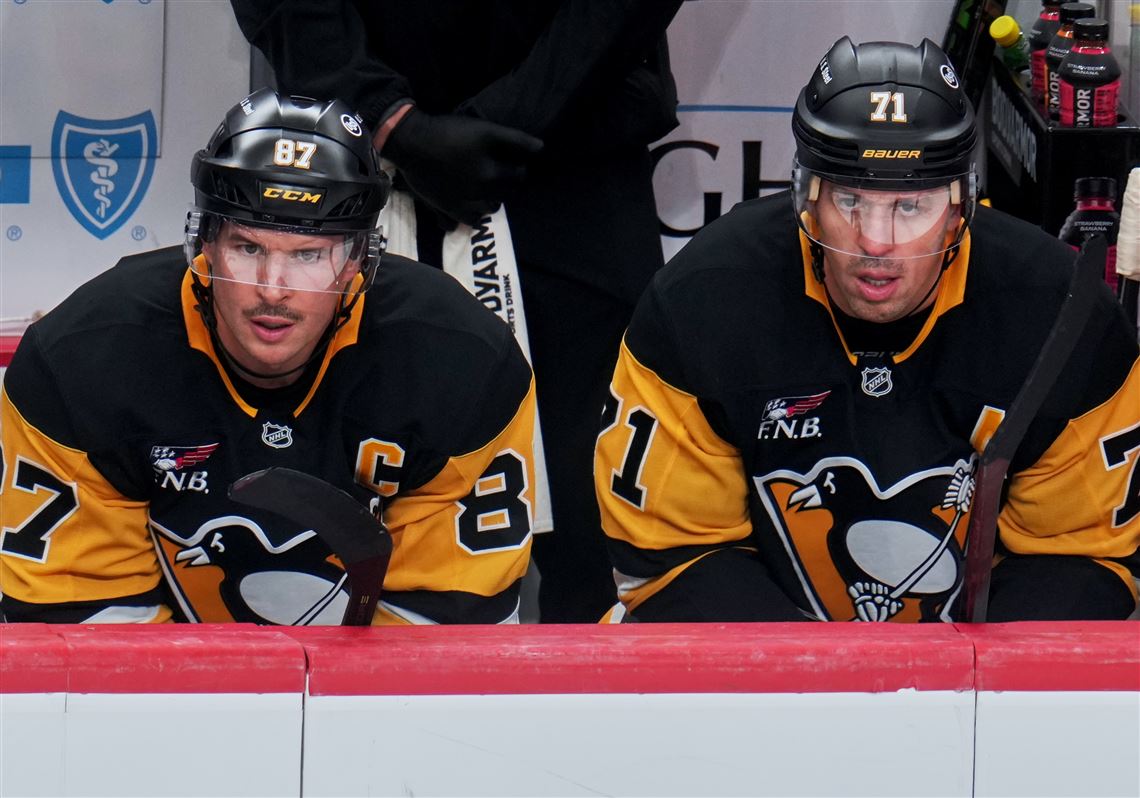
Pittsburgh Penguins at a Crossroads as Aging Roster Struggles with Consistency
Penguins Bottom Out as Consistency Issues Plague Aging Roster The Pittsburgh Penguins are staring down a bleak reality...
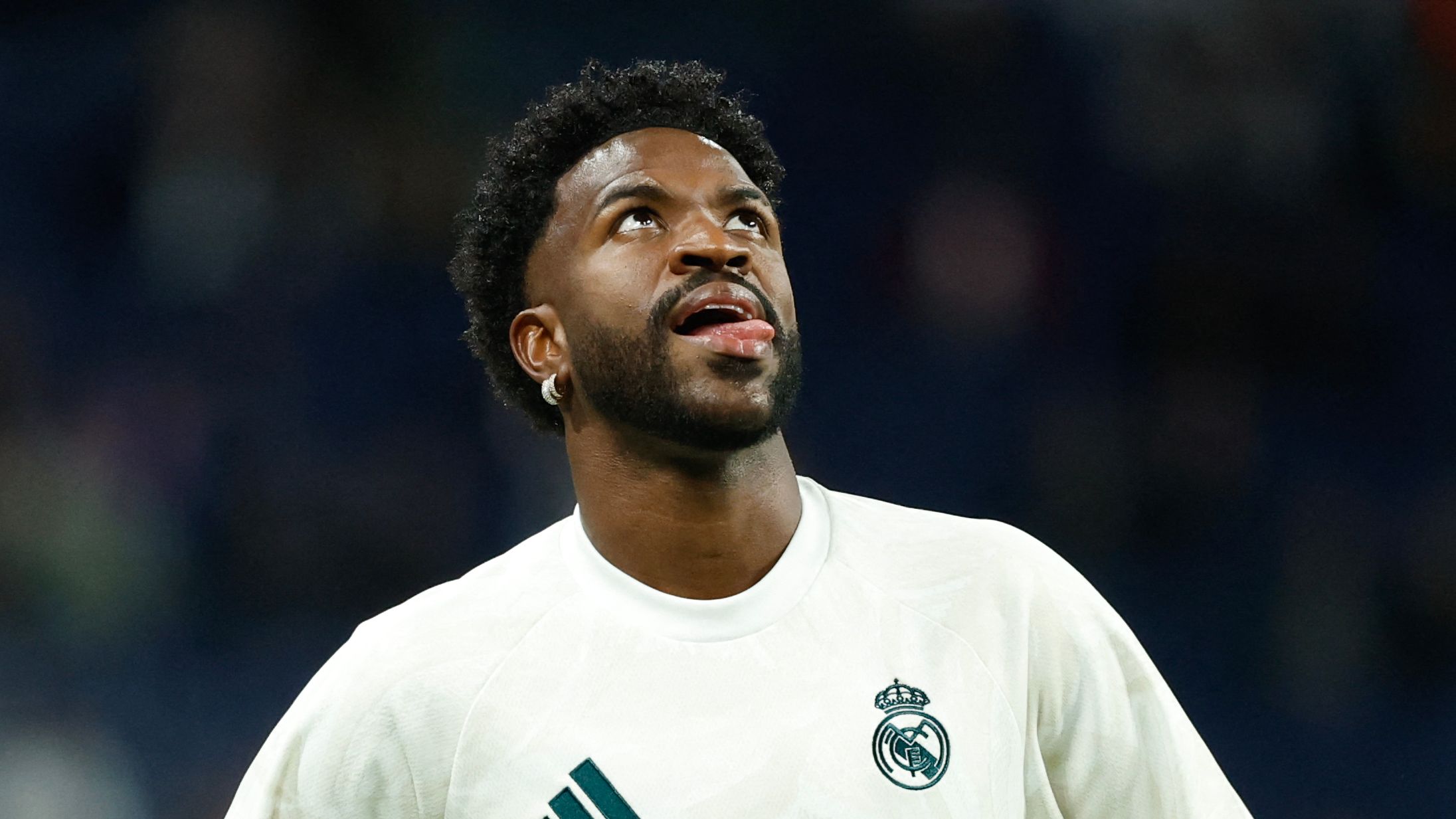
Mourinho Prioritizes Real Madrid Interests Over Vinicius Junior
Real Madrid head coach José Mourinho has publicly declared that the club’s collective interests supersede the individual needs...