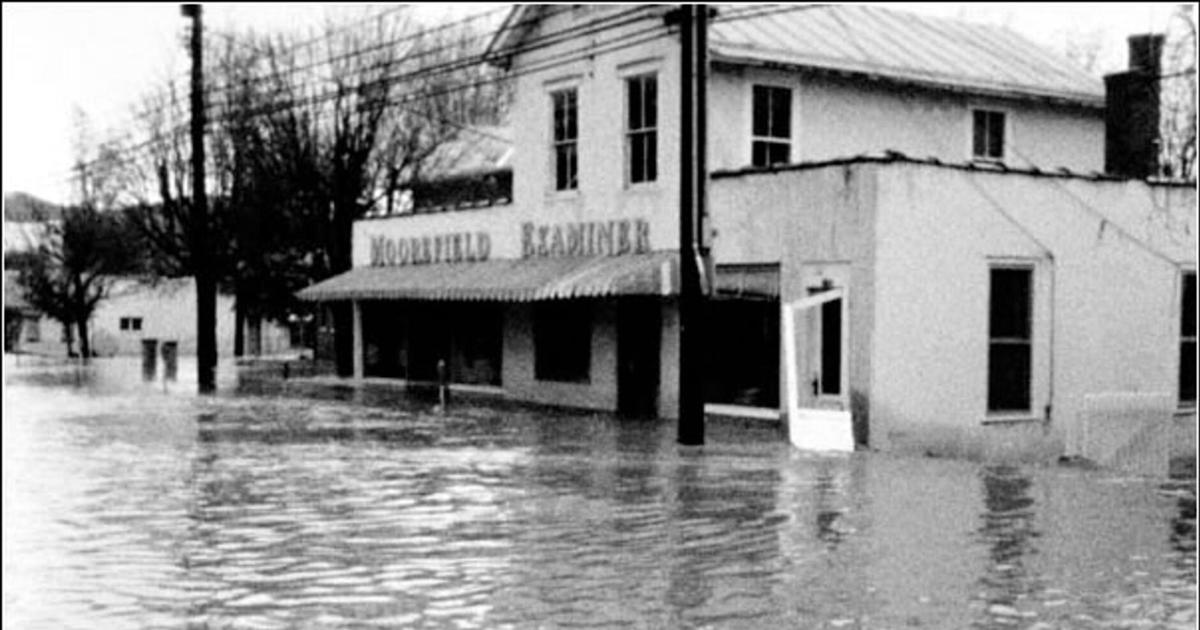
On November 4 and 5, 1985, heavy rains triggered devastating floods across parts of West Virginia, killing forty-seven people and leaving several towns severely damaged, Wetzel Chronicle reported. The same two days, however, also mark the births of four men who would leave indelible marks on the state—one in athletics, one in labor and folk music, one in politics, and one in global music.
From the Revolutionary-era murder of a Shawnee leader in 1777 to the closing of a beloved football stadium in 1979, the days of November 4 through 10 trace West Virginia’s history of loss, struggle, and achievement.
When the Water Rose and the Minds Opened
The 1985 flood stands as one of the deadliest weather events in recent state history, with forty-seven dead and entire communities upended. In 1891, Alfred Earle “Greasy” Neale arrived in Parkersburg, growing up to become one of West Virginia’s greatest all-around athletes. Four years later, in 1895, Nimrod Workman was born in Oppy, Kentucky, though he would spend most of his life in Mingo County working as a folk singer, coal miner, and labor activist; in 1986 he became the first West Virginian named a National Heritage Fellow, the nation’s highest honor in folk and traditional arts. Cecil Underwood, born November 5, 1922, at Josephs Mills in Tyler County, would break records as both the state’s 25th and 32nd governor—its youngest and oldest chief executive. And in 1927, “Ellie” Mannette was born in Trinidad, later helping popularize steel drum music worldwide; he became an artist-in-residence at WVU in 1992, coordinating the school’s steel drum program, and was named a National Heritage Fellow in 1999.
Death in the Mines and on the Battlefield
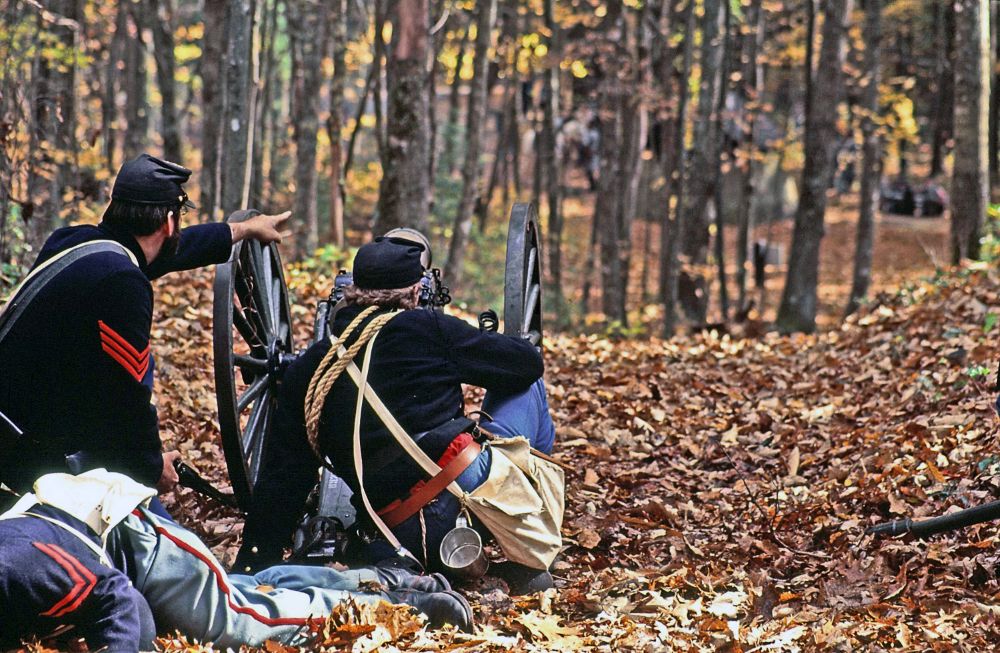
On November 6, 1923, a methane gas explosion killed twenty-seven men inside the Glen Rogers coal mine in Wyoming County. The mine, which opened in 1921 and became one of the state’s largest operations, would see a total of 160 fatalities over a 31-year period before finally closing. Decades earlier, on November 6, 1863, the Battle of Droop Mountain saw Confederate troops under Brig. Gen. John Echols defeated by a larger federal force led by Brig. Gen. William W. Averell—one of the most important Civil War battles fought on West Virginia soil. The violence of that era echoes backward to November 10, 1777, when Cornstalk, his son Elinipsico, and sub-chief Red Hawk were murdered in captivity by enraged settlers; Cornstalk had commanded Indian forces at the Battle of Point Pleasant. A Confederate cavalry unit numbering over 700 struck a Union recruit camp at Guyandotte in Cabell County on November 10, 1861. And on November 7, 1943, Medal of Honor recipient Herbert J. Thomas Jr., who grew up in South Charleston, was killed in the South Pacific after throwing himself on a grenade to save his fellow squad members; WVU Medicine’s Thomas J. Memorial Hospital in South Charleston bears his name.
Churches Mark Earliest West Virginia Records
On November 7, 1775, the Forks-of-Cheat Baptist Church was organized about six miles north of Morgantown, becoming the oldest church with continuous records west of the Alleghenies in West Virginia. November 8, 1936, brought twin debuts: “It’s Wheeling Steel,” a half-hour musical variety program over WWVA in Wheeling that became an instant success with local audiences and later a nationwide sensation, and the birth of Darrell McGraw in Wyoming County, who would serve on the West Virginia Supreme Court of Appeals from 1977 to 1989 and as the state’s longest-serving Attorney General from 1993 to 2013 before dying in 2024. On November 9, 1874, Matthew Mansfield Neely was born in Doddridge County, later becoming the state’s 21st governor; that same day in 1952, the Huntington Museum of Art opened as Huntington Galleries on more than 50 acres in the Park Hills section of Huntington. November 10 closes the week with both preservation and farewell: in 1978, Congress established the New River Gorge National River, later designated a National Park and Preserve in 2020, while in 1979 more than 38,000 people attended the last home game at Old Mountaineer Field at West Virginia University, where WVU nearly upset highly ranked Pitt. Reflecting on November 6, 1878, Cornelius Lonzo Burdette entered the world in Sandstone, Summers County; competing at the 1912 Summer Olympics in Sweden as part of the rifle team, he earned what amounted to a gold medal and thus became the first West Virginian to capture an Olympic gold.
Related reading

Democrats on track to gain six seats in Hawaii Legislature as five Republicans trail
Heading into Tuesday night, Hawaii Republicans were bracing for a difficult midterm cycle without a presidential race at...

Hartford, Sumner reject RSU 10 withdrawal despite Buckfield approval
Buckfield residents voted 599-538 on Tuesday in favor of withdrawing from Regional School Unit 10, but the effort...
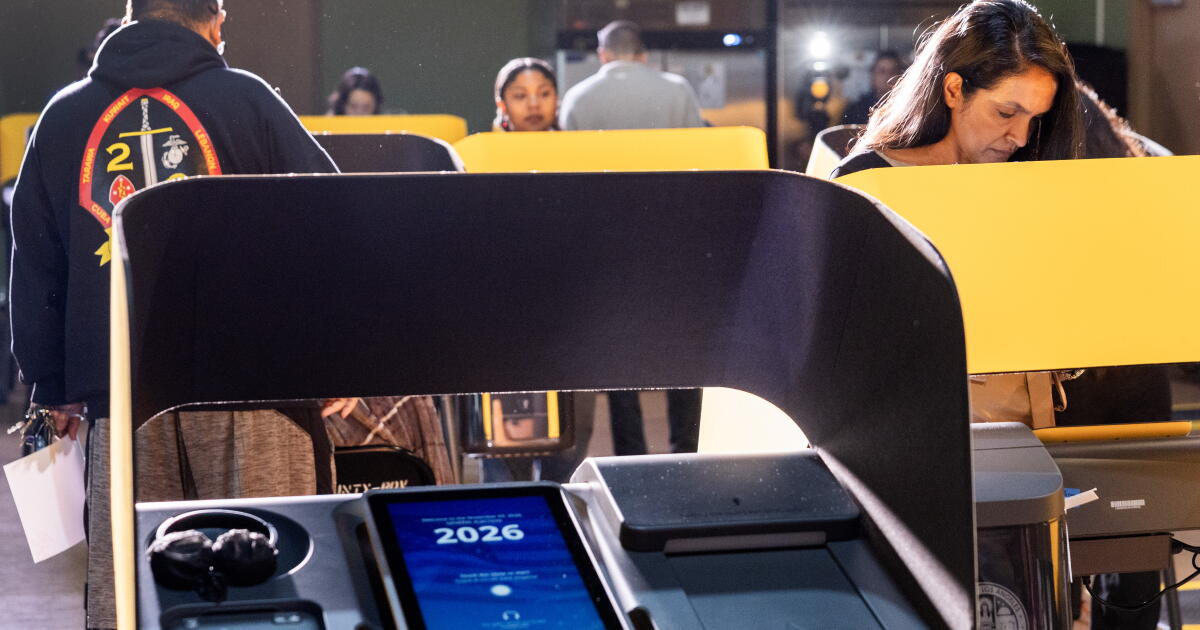
DOJ Deploys Election Monitors to Los Angeles Amid Legal Battle Over Contested Ballots
The Justice Department sent a last-minute surge of election monitors into Los Angeles on Tuesday morning, hours after...
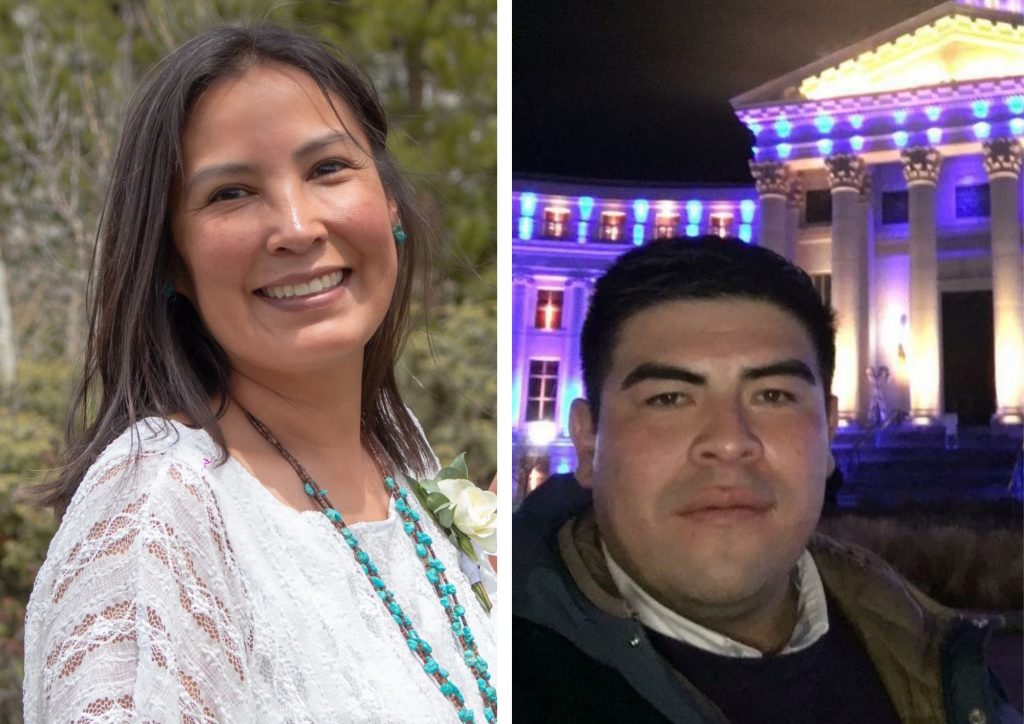
Consuelo Redhorse Wins Colorado House District 13 Election
Consuelo Redhorse, a Democrat from Silverthorne, has won the race for Colorado House District 13, besting Republican challenger...