Tracing the Weight of Early November in West Virginia History
History rarely arrives all at once. Instead, it accumulates through quiet births, sudden disasters, and isolated acts of extraordinary courage that echo across generations. According to a historical retrospective published by My Buckhannon, the first week of November holds an especially heavy ledger for the Mountain State, binding together foundational settlement myths, industrial tragedies, and the sobering realities of wartime sacrifice.
Consider the long shadow cast by the events of November 2, 1859. On that crisp autumn day inside the Jefferson County Courthouse at Charles Town, John Brown was formally sentenced to death for murder, treason, and insurrection. His raid on Harpers Ferry had already shattered any lingering illusions of national compromise, accelerating a divided country down an irreversible path toward the Civil War. The courthouse walls absorbed a verdict that signaled the end of debate and the beginning of armed conflict.
From Scientific Pioneers to Battlefield Valor
The historical record of these seven days also tracks the quiet dedication of public servants alongside the fierce violence of battle. Israel Charles White, born in Monongalia County on November 1, 1848, dedicated decades of his life to mapping the state’s subterranean wealth. Appointed as West Virginia’s first state geologist in 1897, White served in the role until his death in 1927—remarkably working without pay for all but two of those years.
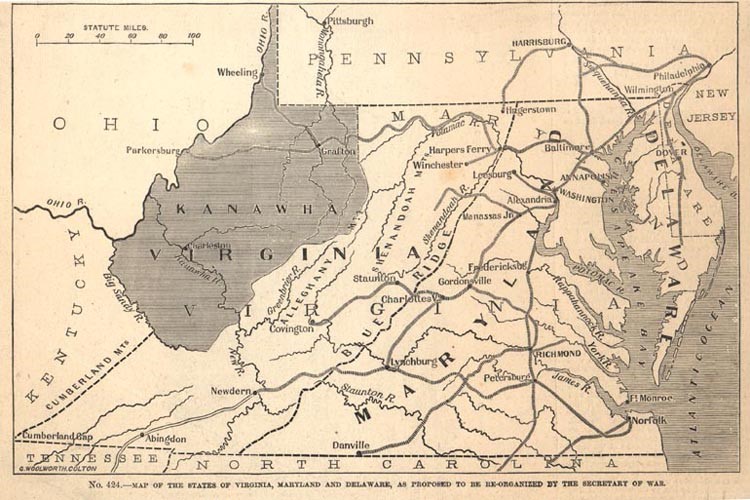
Decades later, that same endurance manifested in raw combat valor. On November 6, 1863, Confederate troops led by Brig. Gen. John Echols clashed with a larger federal force under Brig. Gen. William W. Averell at Droop Mountain. It stands today as one of the most strategically significant Civil War engagements fought on West Virginia soil, permanently altering the military control of the region.
Individual acts of bravery during later conflicts further defined the state’s military legacy. On November 2, 1944, Huntington native and B-17 navigator Robert Femoyer was mortally wounded during a bombing mission over Germany. Refusing medical aid, he directed his damaged aircraft safely back to England, saving his entire crew before dying thirty minutes after landing—an act of selflessness that earned him the Medal of Honor. Similar valor marked the service of Fayette County native Charles Rogers, who earned the Medal of Honor for actions beginning on November 1, 1968, near the Cambodian border.
Industry, Innovation, and Devastating Floods
The state’s rugged terrain has routinely demanded a heavy toll from its workers and residents. On November 6, 1923, a methane gas explosion ripped through the Glen Rogers coal mine in Wyoming County, killing 27 men. The tragedy was part of a grim institutional history; over a 31-year operating period, the mine recorded 160 fatalities before its eventual closure.
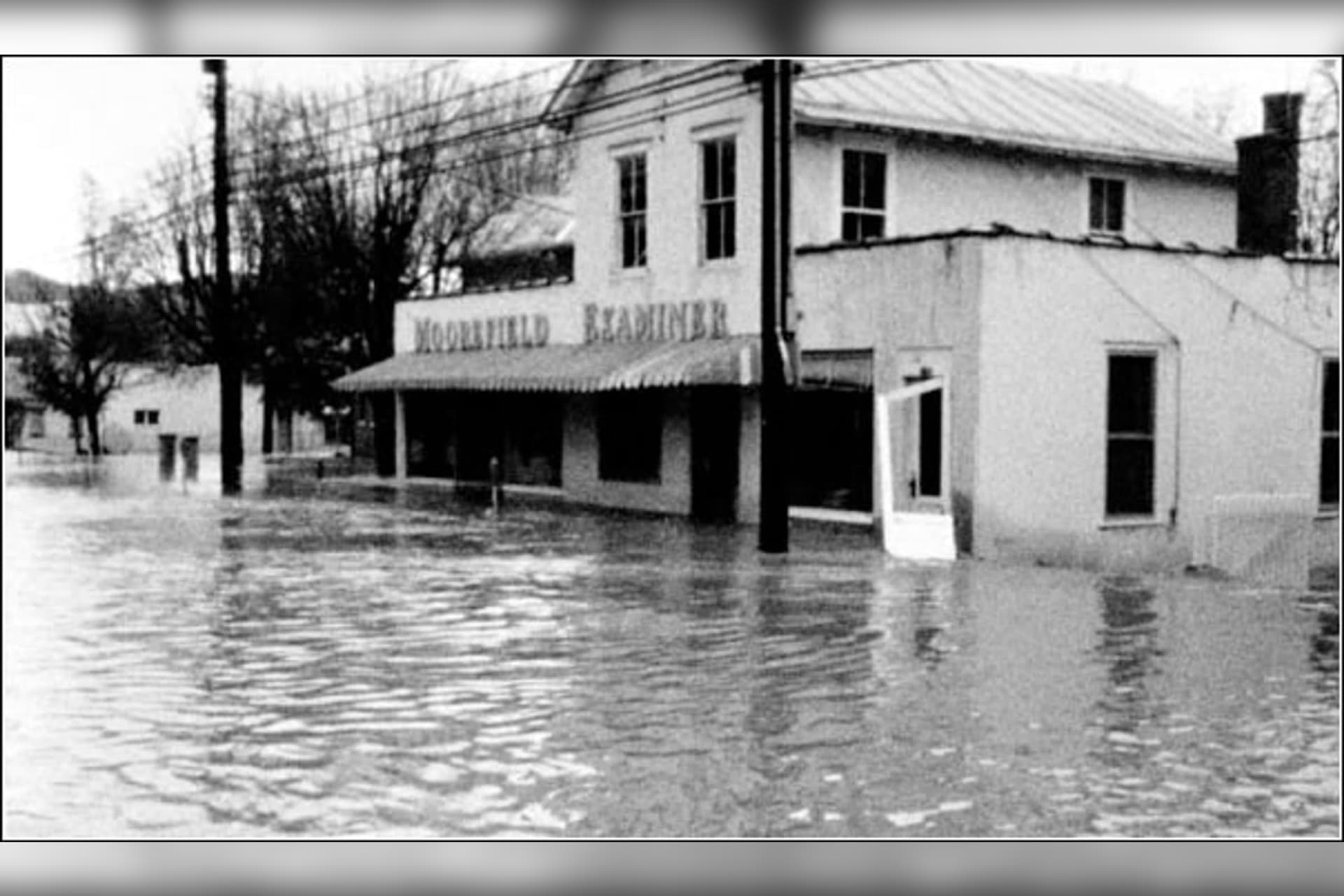
Decades later, water proved just as destructive as fire. Between November 4 and 5, 1985, relentless heavy rains unleashed devastating floods across parts of West Virginia. Forty-seven people lost their lives, and several towns suffered catastrophic structural damage.
Yet the calendar also marks milestones of connection and community growth. WMUL-FM at Marshall University began broadcasting on November 1, 1961, as the state’s first non-commercial radio station. Transportation networks similarly expanded to pull isolated pockets into the wider world, with the Wheeling-Ohio County Airport opening on November 1, 1946, and Tri-State Airport in Wayne County dedicating its facilities on November 2, 1952.
From the birth of Welsh immigrant Morgan Morgan—traditionally regarded as the region’s first White settler, who built his Bunker Hill cabin in 1731—to the cultural preservation championed by National Heritage Fellows like Nimrod Workman and steel drum pioneer “Ellie” Mannette, the opening week of November serves as a mirror to West Virginia’s enduring character. The dates pass on the calendar, but the foundations they laid remain visible in every valley and ridge.
Keep reading

Ohio Fire Academy Celebrates Newest Class of EMT Graduates
Seventeen new emergency medical technicians are stepping into first responder roles across Ohio and Indiana following a graduation...

Federal trial for Barnes County man in child sex abuse material case could be delayed again
Plea Discussions Force Another Potential Delay in Fargo Mitchell Joseph Kohler’s federal trial on child sex abuse material...

6 charged with armed robbery – WTVA
Six young adults from New Albany and Booneville are facing armed robbery and conspiracy charges in Tupelo after...

Big Apple ‘bursting’ as film and TV production booms – LinkedIn
New York City's film and television production industry is surging forward with a 21 percent increase in filming...