
New York City’s film and television production industry is surging forward with a 21 percent increase in filming permits, according to LinkedIn data shared by the NYC Mayor’s Office of Media and Entertainment.
Permits Surge and Soundstages Fill Across the Five Boroughs
The Big Apple is experiencing a notable creative sector boom as soundstages run at full capacity and local production permits climb sharply. City officials point to a deliberate administrative shift aimed at easing the hurdles of physical production. By treating the process as a cohesive ecosystem rather than a patchwork of bureaucratic requirements, municipal leaders have drawn a steady stream of studio executives and independent filmmakers back to New York streets.
The current momentum rests on a four-pillar framework designed to anchor long-term production infrastructure. Economic incentives—anchored heavily by state-level tax credits, rebates, and post-production subsidies administered via Empire State Development and the New York State Governor’s Office—provide the financial baseline.
At the municipal level, the process is streamlined through a digital application system that clarifies insurance mandates. This structure functions as a central coordination hub for permitting across all five boroughs. Workforce development runs parallel to these administrative fixes. Initiatives like the ‘Made in NY’ Post Production Training Program and the Made in NY PA Training Program actively equip residents with the technical skills needed for well-paying below-the-line physical production careers while explaining the broader economic benefits to the public.
Labor Partnerships and Industry Collaboration
Guild and union partnerships form the final pillar supporting the city’s creative expansion. Collaboration across organizations like SAG-AFTRA, the Producers Guild of America, the Writers Guild of America East (WGAE), the Directors Guild of America, IATSE, and the Teamsters ensures that working conditions remain safe and fair as technological changes disrupt traditional workflows.
Productions operating within the five boroughs are noticing the tangible differences in how city administration supports creative projects. As production companies and independent creators continue to navigate industry-wide shifts, municipal agencies and state authorities maintain that the city remains fully open for business.
Worth a look
Baton Rouge among 4 U.S. cities chosen for Justice Department crime reduction grant
Out of 47 major cities that applied across the country, just four secured a spot. Baton Rouge stands...

Team News: Regulars return for playoff opener as Bird changes six – Louisville City FC
Louisville City FC interim head coach Simon Bird has restored his first-choice lineup for Friday’s Eastern Conference Quarterfinal...
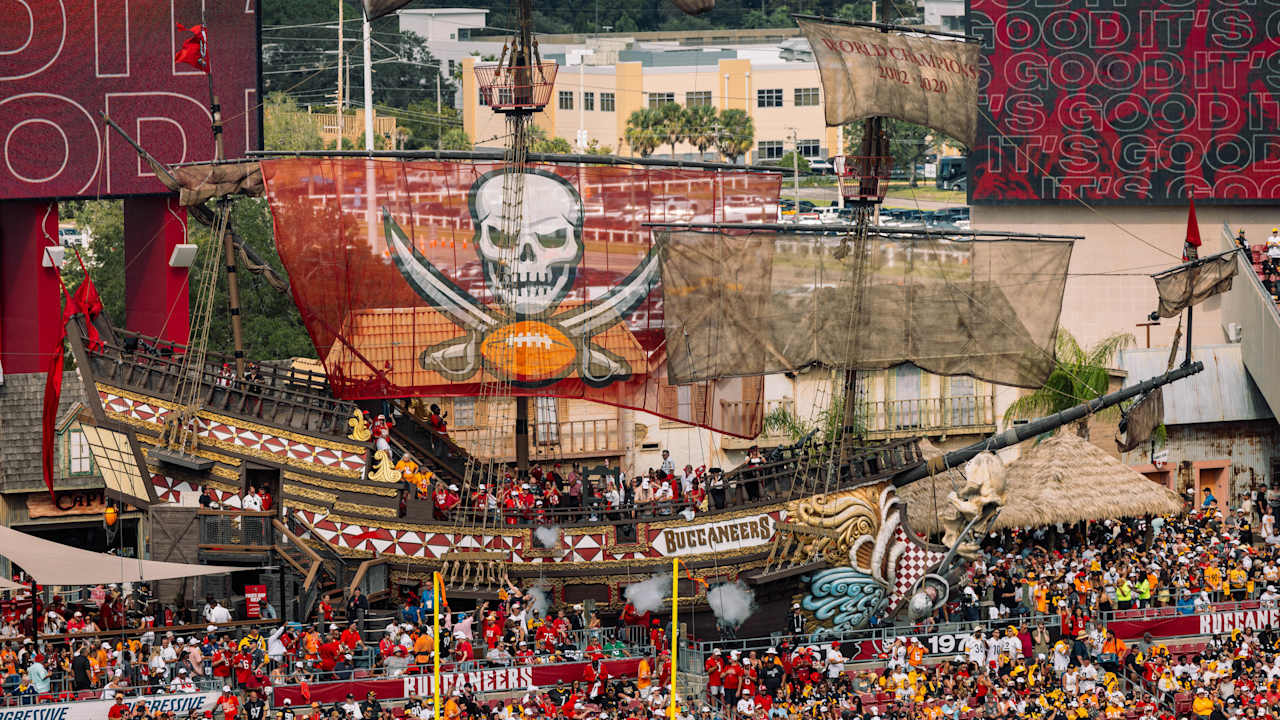
Buccaneers to Host Atlanta Falcons in Week 8 “She is Football” Game at Raymond James Stadium
The Tampa Bay Buccaneers are set to host the Atlanta Falcons this Sunday at 1:00 p.m. at Raymond...

Florida Tech Swimming Breaks 3 Records and Sets 8 NCAA B-Cuts
The Florida Tech men’s and women’s swimming teams set a high bar on Friday, Oct. 30, securing three...