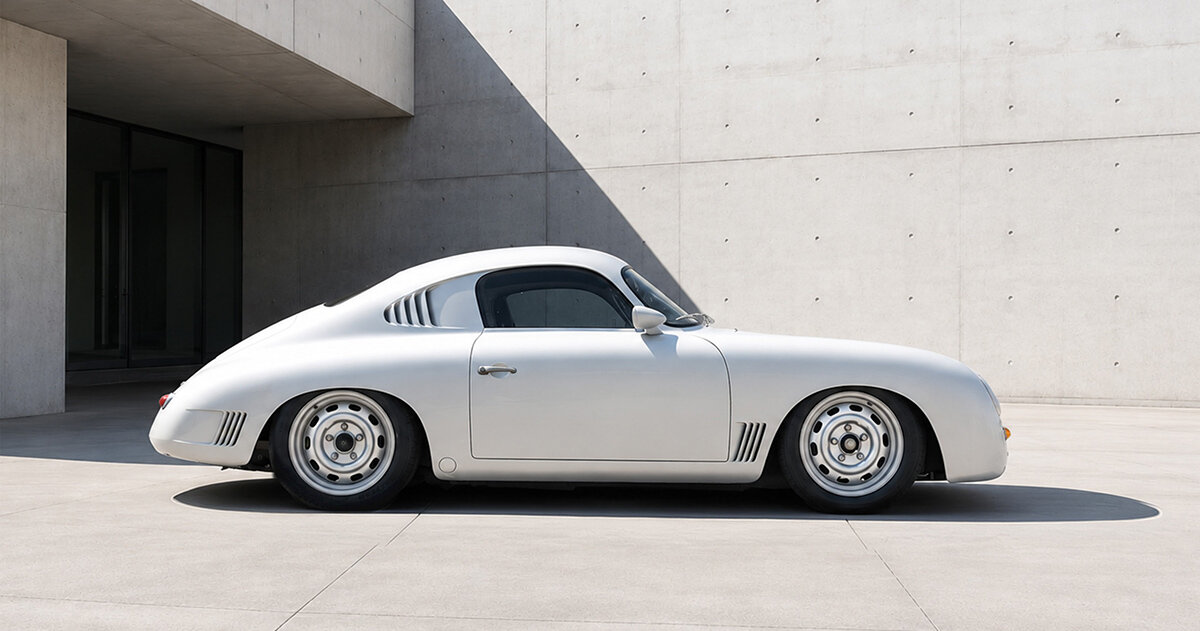
Thornley Kelham has unveiled its Porsche 356 European SL, a modern interpretation of a 1951 Le Mans racer. Built in Gloucestershire, the handcrafted coupe pairs a restored and seam-welded 356 chassis with a hand-formed aluminum body, bespoke 2.33L flat-four engine, and a planned run of 50 examples.
A famous silhouette from Porsche’s early motorsport history has returned to the road through an intensive coachbuilding project in the Cotswolds. Thornley Kelham began the Porsche 356 European SL with a familiar shape, drawing out the speed and lightness of the manufacturer’s earliest racing machines. The low, wide coupe sits close to the asphalt, using digital tools and traditional metalwork to honor a specific racing heritage. At 930 kilograms, the coupe’s low mass shapes its proportions and performance, sitting close to the road with a wider stance that gives the compact body a firmer presence from every angle.
Recreating a 1951 Le Mans Contender in Aluminum
The European SL draws direct design inspiration from Porsche’s Type 514, an all-aluminum 356 SL developed for the 1951 24 Hours of Le Mans. Only four examples of the original race car were built with streamlined bodies and partially enclosed wheels. One of those rare cars secured a class victory during Porsche’s very first international motorsport appearance.
Seventy-five years later, Thornley Kelham has adapted those streamlined styling cues into a road-legal model while preserving the classic proportions of the Porsche 356. Each example is tailored to its owner’s preferences.
The 2,000-Hour Hand-Forming Process
Achieving the car’s minimalist exterior demands an immense amount of labor. Each aluminum body takes more than 2,000 hours to form and finish. Panels are shaped by hand and assembled on a precision jig so that door openings and body seams meet with contemporary accuracy.
The workshop relies on CAD and CNC processes to support the underlying geometry, while traditional metalwork gives the exterior its long curves and softly pinched edges. Seam welding adds structural rigidity through the restored structure. The outer joints are smoothed into a continuous skin that allows sunlight to pass smoothly across the hood and rear fenders with few interruptions, creating a visual tension between digital control and manual shaping. Simon Thornley describes the car through handcrafted panels
and a stripped-down, minimalist interior,
two elements that keep attention on material and proportion.
Engine Specifications and Chassis Engineering
Beneath the hand-formed aluminum shell sits a bespoke 2.33L air-cooled flat-four engine based on the original 356 architecture. The Touring version produces 180 horsepower, while the Sport specification raises output to 200 horsepower alongside 180 lb-ft of torque.
Weighing in at 930 kilograms, the stronger setup passes 200 horsepower per ton. Power travels to the rear wheels via a five-speed dogleg manual transmission that replaces the period four-speed unit.
- Seam-welded and reinforced original structure for greater rigidity
- Rack-and-pinion steering paired with optional power assistance
- Rear suspension geometry influenced by early 911 models
- Ventilated disc brakes on both axles, with carbon-ceramic options available for clients hoping for a more aggressive setup
- Client-selectable passive or active dampers
A Stripped Cabin and Limited Production Plan
Inside, the car follows the same lean direction as the exterior. The dashboard stays low and spare, featuring circular instruments set into a slim horizontal panel. Bespoke seats and leather trim bring a warmer surface to the compact space, while fitted luggage can be developed around each commission, and modern electronics are available according to the owner’s preference without letting switches and screens dominate the view.

Program director Pim van de Riet, himself a longtime 356 owner, explains that his goal was to create a car that Porsche themselves might have done
with access to current engineering. Thornley Kelham plans to produce just 50 coupe examples, with each commission developed alongside its owner at the company’s Gloucestershire workshop.
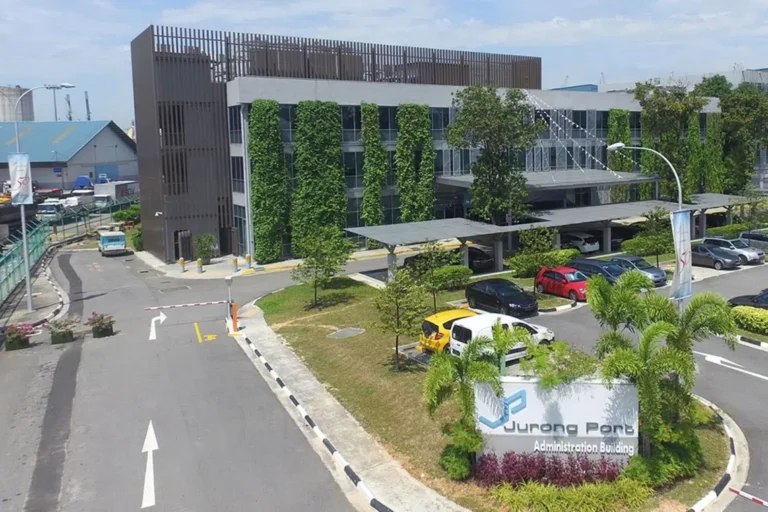
Worker Dies After Being Struck by Compressed Air Hose at Jurong Port Road
A 35-year-old worker died at a Jurong Port Road construction site on September 11, 2026, after being struck...
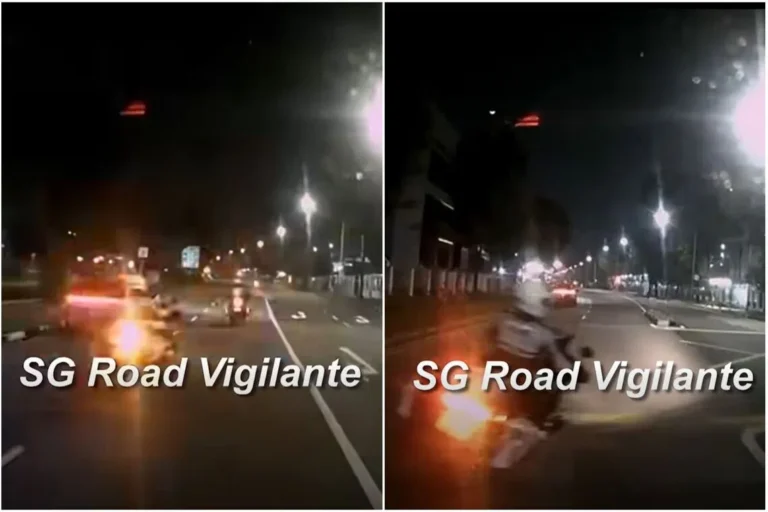
Singapore Police Investigate Three Traffic Officers Over Unsafe Riding Footage
The clip, which surfaced online, shows the outriders cutting across lanes and forcing sudden braking near the Traffic...

Justice Department Deports Legal Resident to Afghanistan in First ATRC Case
The Justice Department deported a 47-year-old legal U.S.

Mahnoor Safdar Marries Azan Jabbar Today at Jati Umra Estate
The private family gathering brings together close family and invited guests for the celebration.