
The Republic of Ireland Must Pave Britain’s Road Back to the European Union, Says Minister
The Republic of Ireland must work behind the scenes within the European Union to ensure Britain secures a pathway to re-entry to the bloc, Minister of State at the Department of Foreign Affairs Neale Richmond has said. Speaking in London on Thursday following a diaspora event at the Irish embassy, Richmond emphasized that smoothing relations is a regional obligation. “It is up to us,” Richmond said. “Britain wants a closer relationship with the EU. Maybe they want to rejoin. If they do want a closer relationship, it rests on our [the State’s] shoulders to make that as easy as possible within the EU. We have to make sure that, around the European Council table, we are keen and eager [for Britain to return].”
Shifting Political Tides and British Leadership
The push to re-evaluate post-Brexit isolation has gained momentum following remarks from British prime minister Andy Burnham. A long-time critic of his country leaving the EU, Burnham has reopened the debate by suggesting that Britain could eventually seek to reverse Brexit. His proposals include accepting EU freedom of movement to secure a better Brexit deal, alongside potential re-entry into the single market or the customs union. Richmond acknowledged that while these policy shifts are a decision for the British government and the British people, the Republic must be prepared to respond. He noted that the Republic had “tried its best” to keep Britain within the EU, adding, “We should celebrate that, and say: ‘okay guys, the light is on. We’d love to have you back’.”
Navigating Continental Sensitivities and Upcoming Summits
Advocating for a British return requires careful diplomacy. Richmond admitted there were “very real sensitivities” surrounding the State being seen to advocate too closely for Britain inside the EU. “We are Ireland, a part of the EU. But that is in no way a contradiction of saying we would love to see Britain back in the EU,” Richmond explained. He pointed out that other major EU member states, including France, Spain, and Germany, have likewise voiced a desire for Brexit to be reversed. “If anything, it would be the anomaly if Ireland wasn’t as strong a voice as our other EU partners.”

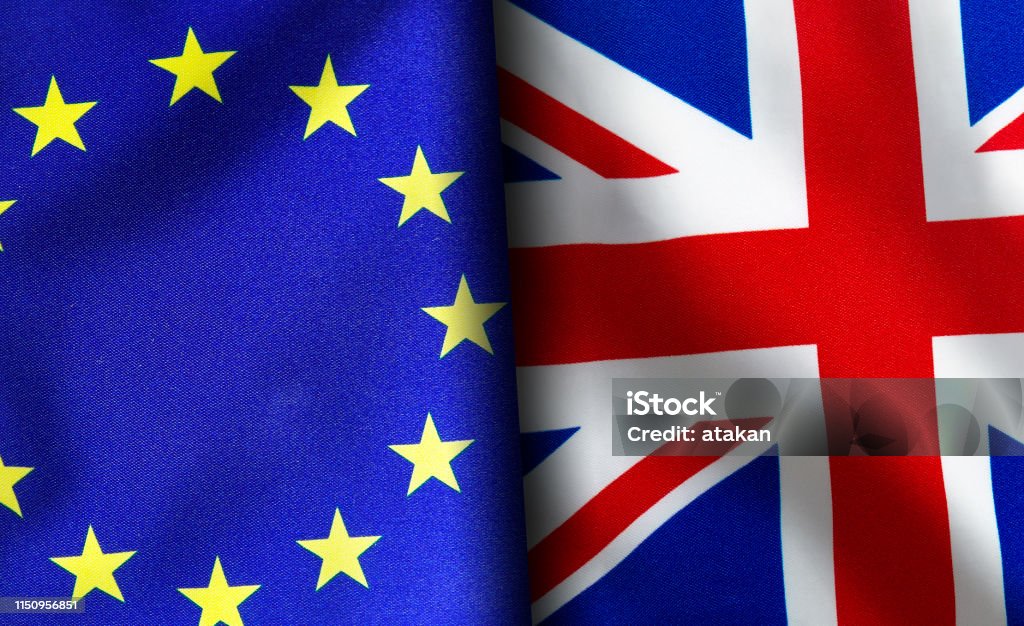
Next month’s EU-UK summit in Brussels will serve as the first for Prime Minister Burnham on the European stage. Agenda items for the summit include finalizing a youth mobility scheme to facilitate work and study opportunities for young people across both territories, as well as negotiating post-Brexit agri-food rules. Burnham is also seeking agreements to ensure Britain’s car manufacturing industry is not disadvantaged by proposed new “made in Europe” supply chain regulations that would prioritize companies from the bloc. According to Richmond, a “will to go further” exists regarding these existing EU-UK agreements.
Diaspora Investment and Ongoing Support
The ministerial remarks coincided with a substantial financial announcement regarding the Irish diaspora in Britain. Richmond revealed that the Irish Government has allocated a record £7.8 million (€9.1 million) to support Irish diaspora-linked community organizations in Britain for the coming year. Distributed through the State’s Emigrant Support Programme, this funding represents a €2 million increase, underscoring Dublin’s continued commitment to expatriate communities even as broader geopolitical and economic alignments with London face a potential recalibration.
Related reading

Rare public sighting of A-listers’ 31yo son
Tom Cruise and Nicole Kidman’s son Connor, 31, made a rare public appearance at the 2026 World Series,...
Dewan Rakyat passes Budget 2027 at policy stage – The Edge Malaysia
Malaysia’s sweeping fiscal roadmap cleared its initial parliamentary hurdle on Thursday as the Dewan Rakyat passed the Supply...

Why Israeli election deadlock raises prospect of yet another poll – The Irish Times
The 53-Seat Stalemate and the Fractured Knesset Israel is bracing for weeks of political uncertainty following a historic...

SMU Creates Master of Public Governance and Leadership for Asia
Singapore Management University announced the creation of a new master's degree aimed at training public leaders to manage...