
Thurston County Wayne Fournier argues the debate over Olympia Regional Airport misses its most vital function: the Airlift Northwest base that can cut emergency response times by 35 minutes.
Fournier, a firefighter, writes that before the air ambulance service stationed a helicopter at the airport roughly 20 years ago, the closest available helicopter was often coming from Harborview in Seattle. He remembers waiting around 45 minutes for a helicopter to arrive at an emergency scene. Now, under the right circumstances, a helicopter can be on scene in perhaps 10 minutes.
“Thirty-five minutes can be an eternity when someone is bleeding internally, suffering a catastrophic injury, or needs specialized medical intervention,” Fournier writes. He recounts a friend’s mother who suffered two separate strokes in one month and was transported by Airlift Northwest helicopters from Grays Harbor Community Hospital to Harborview Medical Center in Seattle.
The financial stakes for patients are steep. According to a June 2026 piece in The Times of Waitsburg that cites the National Association of Insurance Commissioners, the typical air ambulance flight runs from $12,000 to $25,000. Fournier notes his friend’s mother needed two flights in a single month, a burden offset by an Airlift Northwest household membership that costs $85 for one year or $160 for two.
Fournier connects the air medical base to the broader infrastructure debate. Beyond medical flights, the airport serves wildfire aviation, Washington State Patrol aircraft — including the fixed-wing plane called “Smokey” — and the Thurston County Sheriff’s Office’s growing aviation program, which encompasses expanded search-and-rescue missions and the possibility of helicopter hoist rescues. Runways, fueling systems, hangars and emergency facilities require ongoing investment whether or not a commercial passenger ever boards a plane.
Port commissioners are looking at measured ways to improve the airport’s business operations and revenues, including a recently announced SeaPort Airlines service between Olympia and Spokane. The initial schedule would add four aircraft movements per week to an airport that already averages approximately 1,400 takeoffs and landings each week. Fournier argues those four flights, and potential private investment in existing facilities, are part of the larger picture regarding the airport’s future.
“We don’t know what emergency-response needs our region will face 20, 30, or 50 years from now,” Fournier writes. “We don’t know what aviation technology will make possible.” He contends the discussion should weigh proposals on their real merits, impacts, and public benefits instead of deciding now that future generations shouldn’t even have the option.
Fournier discloses that Airlift Northwest isn’t listed by the PDC as one of his campaign donors and calls the membership recommendation a valuable program. “I’ve spent all of my adult life responding to emergencies,” he writes, “and I’ve seen what these aircraft and the people who operate them can do.”
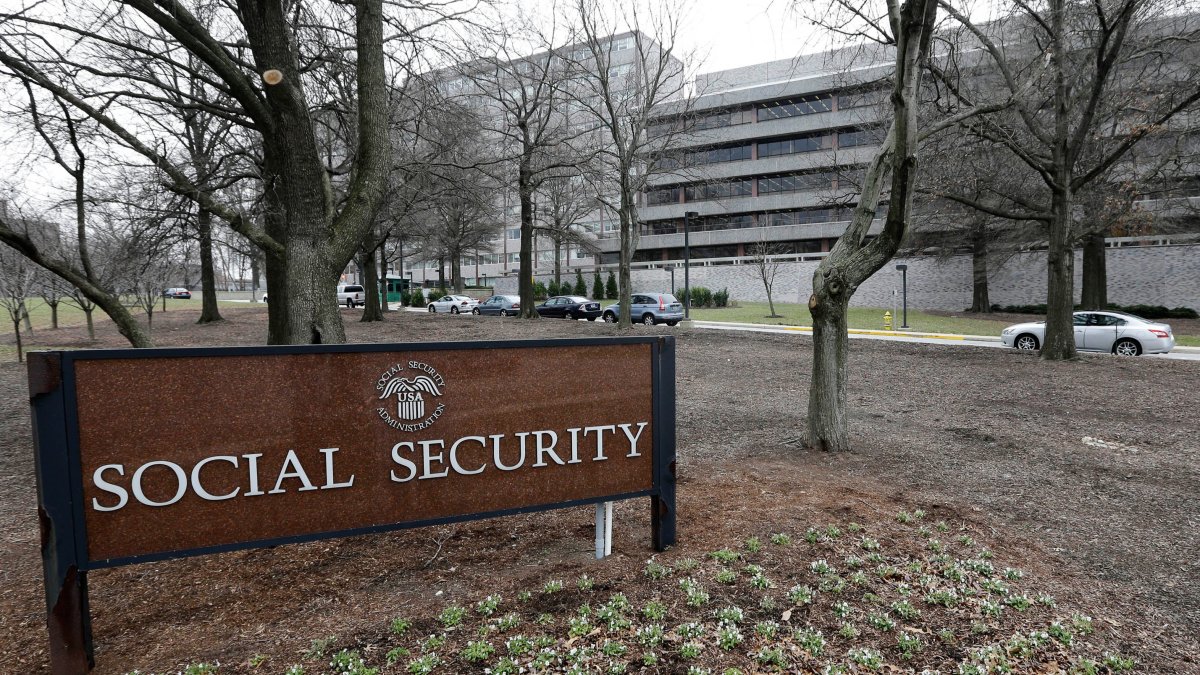
Social Security Trust Fund Depletion Date Moves to Q4 2032, Report Shows
The Old-Age and Survivors Insurance Trust Fund will run dry in the fourth quarter of 2032 — a...

Wyoming Students Post Strongest Proficiency Gains in Years as Enrollment Falls 1,400
Wyoming students posted their strongest proficiency gains in years as enrollment fell by 1,400 students in a single...

Kelly Fields Joins 12-Member Huntsville-Madison County Athletic Hall of Fame Class of 2027
Kelly Fields will join the Huntsville-Madison County Athletic Hall next spring. Alabama A&M Athletics announced Wednesday that the...

Greenbrier County Jane Doe Identified as Missing Virginia Woman Elizabeth Jean Acton After 25 Years
"A maternal DNA match with Acton's mother confirmed her identity," West Virginia State Police said, closing a 25-year-old...