
Vermont’s law enforcement agencies are facing a critical crossroads as they grapple with a fundamental question: what is the true purpose of a police officer in a modern community? This tension is playing out in real-time across the state, where departments are struggling to balance traditional law enforcement with the increasing demand for social service and mental health intervention.
In a recent perspective piece, Tom McKone highlighted the stark contrast in how emergency responders interact with vulnerable citizens. He recounted two distinct encounters: one where EMTs used extreme patience and de-escalation to assist a delusional patron at the Kellogg-Hubbard Library, and another where police officers reportedly treated a confused, disheveled woman with a total lack of care, effectively dragging her toward a cruiser. These anecdotes serve as a microcosm for a much larger, systemic challenge currently facing municipalities from Montpelier to Burlington.
The widening gap between police training and community needs
The data suggests that police officers are increasingly being used as a catch-all for societal failures that fall outside the scope of traditional crime fighting. In Montpelier, the workload reflects a department functioning more as a social safety net than a standard patrol unit. According to weekly reports from Montpelier City Manager Kelly McNicholas Kury, the department responded to 79 mental health-related calls and 238 calls related to the unhoused population during the month of September alone. To understand the scale of this shift, those numbers stand in heavy contrast to the department’s more traditional duties, which included only nine traffic accidents and 13 traffic stops during that same 30-day period.
This mismatch between training and responsibility is a statewide issue. While the Vermont Criminal Justice Council outlines extensive certification requirements for Level I, II, and III officers—including training for mental health crises—the reality on the ground is that many officers are tasked with managing situations for which they have minimal specialized training. Ideally, mental health professionals would lead these interventions, but a lack of 24/7 coverage and limited availability means police are often the first to respond, and timing may be crucial.
The stakes of this role confusion are high. When officers deal with substance abuse, poverty, and mental illness without adequate support structures, the risk of escalation increases. As McKone notes, the proliferation of firearms and the lack of strong social supports—such as housing and accessible healthcare—place an immense burden on those wearing a badge.
Recruitment struggles and the search for leadership
As the demand for complex policing grows, the ability to actually staff these departments is faltering. Vermont currently faces significant recruitment and retention challenges, evidenced by dozens of open police officer positions and police chief vacancies in Montpelier and Burlington. This shortage creates a vacuum that can lead to burnout, inconsistent training, and the very “unhealthy police cultures” that critics fear.
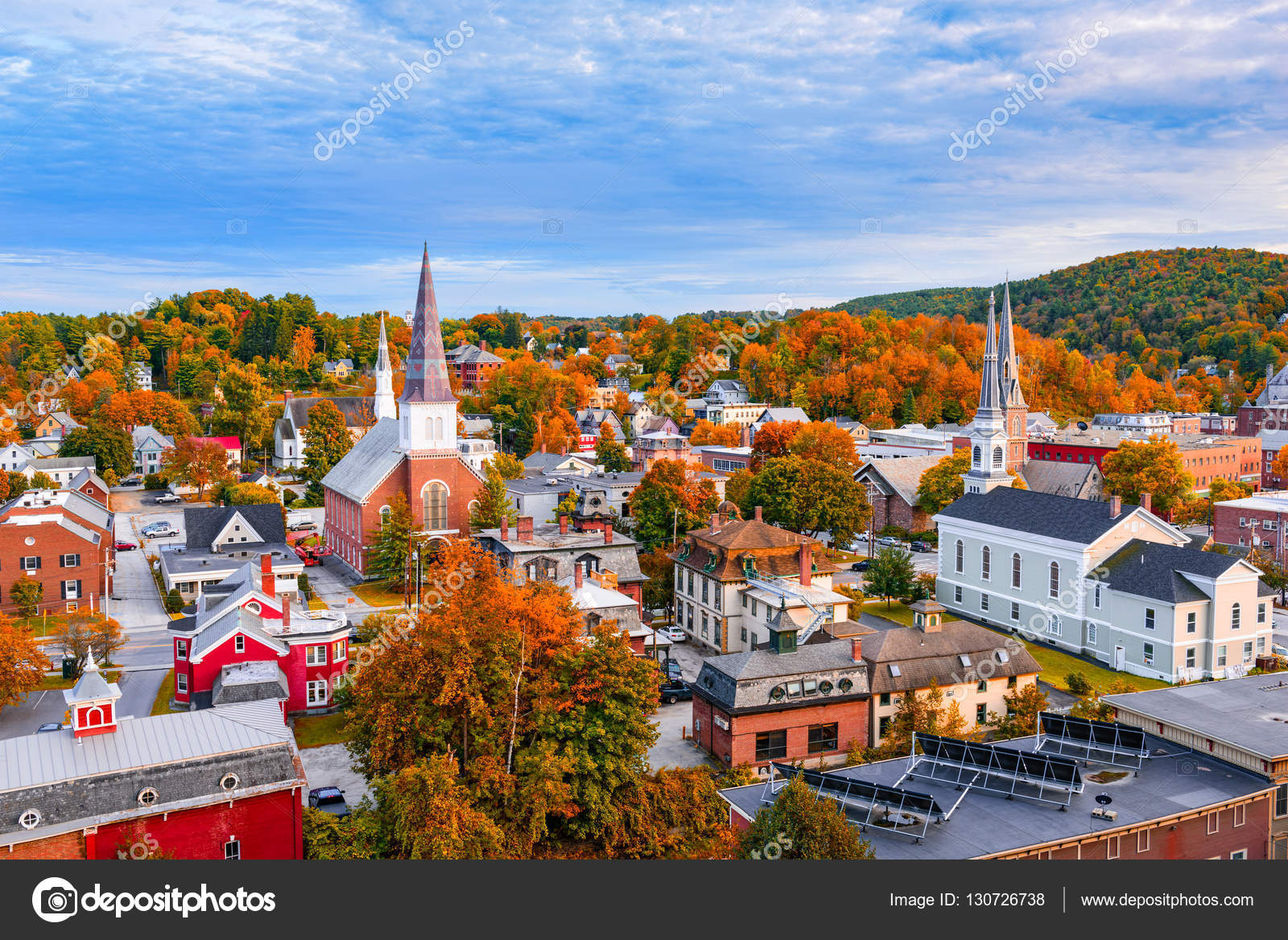
The leadership at the top of these departments will likely determine whether a community moves toward a model of proactive, relationship-based policing or remains stuck in a reactive, enforcement-heavy cycle. The upcoming decisions in Burlington and Montpelier are particularly telling of this trend:
- In Burlington, Mayor Emma Mulvaney-Stanak is expected to bring a police chief nominee to the city council on Nov. 9.
- In Montpelier, a search committee has narrowed the police chief pool to four candidates.
For these cities, the criteria for selection are shifting. The expectation is no longer just for a tactical expert, but for a visionary leader capable of instilling compassion, integrity, and a commitment to using force only if there is no other choice. The ability to identify departmental weaknesses and correct them through targeted training is becoming a non-negotiable requirement for those seeking to command these diverse units.

Some argue that the focus should remain strictly on traditional law enforcement to ensure public safety and maintain order, suggesting that expanding the role of police into social work could dilute their ability to respond to violent crime. However, the statistical reality in Montpelier—where mental health and unhoused-related calls vastly outnumber traffic enforcement—suggests that the “traditional” model is already a thing of the past.
The ultimate success of these departments will depend on whether local leaders can bridge the gap between what the public expects and what the current social infrastructure allows officers to achieve. If the goal is to build trust and lasting community stability, the focus must move toward ensuring that those entrusted with life-and-death decisions are supported by a society that addresses the root causes of the calls they receive.
Related reading
OECD: Mandatory pensions fall short in 22 European countries
Mandatory Pensions Fall Short Across Europe as OECD Flags Massive Contribution Gaps Mandatory pension systems are projected to...

St. Lawrence Women’s Hockey Scores Second Period Goal
During the second period of the matchup between Union and St. Lawrence women's ice hockey, St. Lawrence player...

Wisconsin Badgers defeat Delaware 73-64 on defensive effort
Wisconsin erased the defensive frustrations of last season on Friday night at the Kohl Center, using a relentless...

WA Democrats Support Legal Challenges After Voters Pass Sports Rule
Voters Pass I-638 as Washington State Prepares for Legal Battles Over K-12 Athletics Washington state voters have approved...