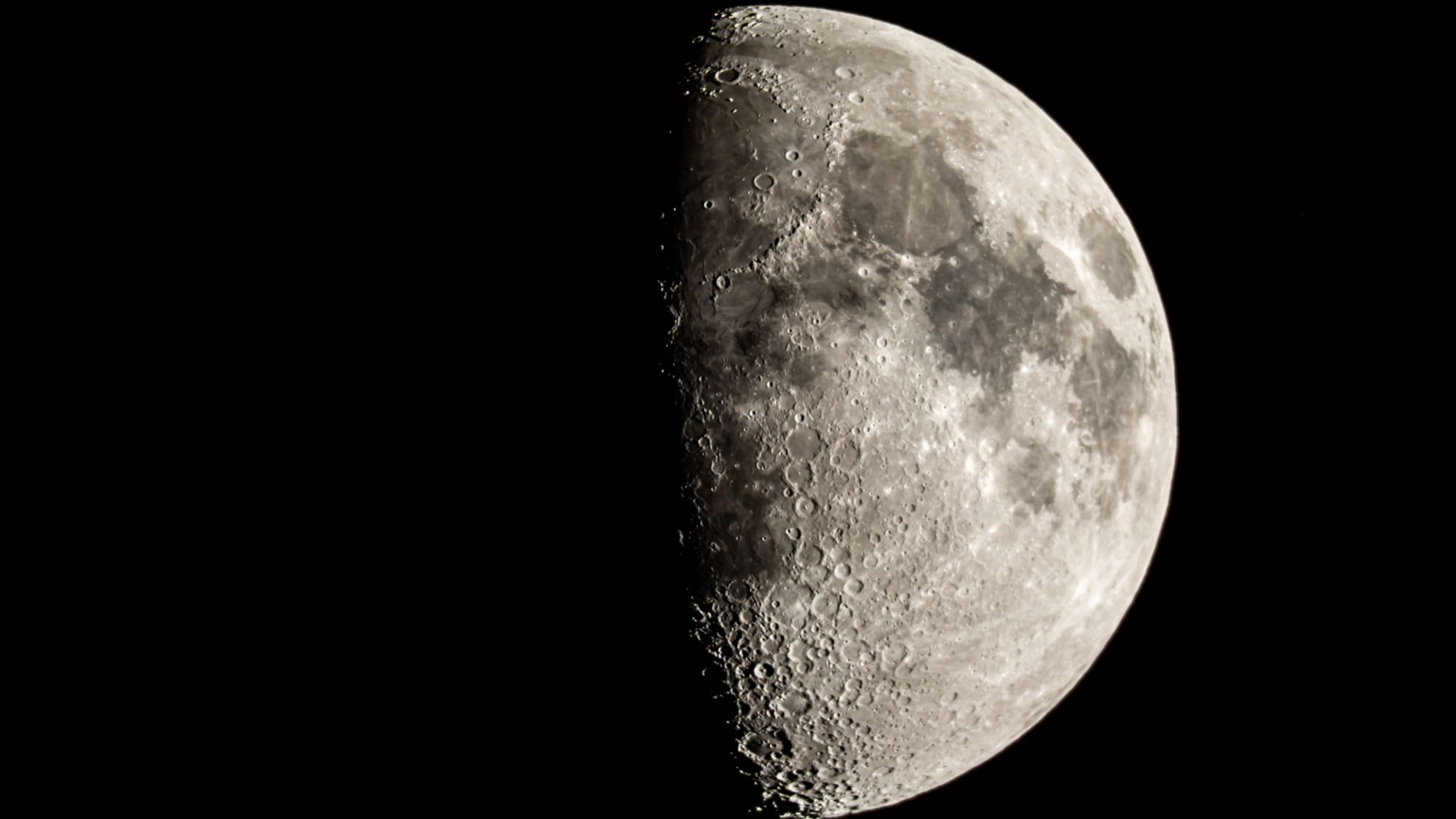
International Observe the Moon Night returns on Saturday, September 19, 2026, bringing together astronomy enthusiasts, local communities, and science organizations worldwide. The annual global celebration is scheduled around the first quarter moon in September or October. According to NASA, this specific lunar phase is convenient because the moon is visible in the late afternoon and evening, offering an optimal time to explore features along the terminator—the boundary between lunar day and night—where long shadows help craters and mountains stand out clearly.
International Observethe Moon Night Set for September 19, 2026
The worldwide public event aims to raise awareness of lunar observation, science, and exploration. Global interest has intensified in recent years as NASA and its international partners work toward returning humans to the lunar surface through the Artemis program. Participants can join the celebration either as part of a group or solo from home by utilizing the naked eye, binoculars, or a telescope to view Earth’s natural satellite.
How to Participate Locally and Globally
Moon enthusiasts looking for local activities can search NASA’s interactive global map, which features hundreds of moongazing events ranging from star parties organized by local astronomy clubs to virtual gatherings hosted by observatories. Individuals can also register their own private or public gatherings on the agency’s map.
In Denver, Colorado, a free event will take place from 5 p.m. to 10 p.m. at the historical Chamberlin Observatory and Observatory Park. As detailed by Mile High on the Cheap, visitors can observe the moon through telescopes operated by Denver Astronomical Society volunteers, view the moon through the observatory’s historic 20-inch Alvan Clark-Saegmuller refractor telescope (weather permitting), and visit the Denver Public Library Bookmobile. Katherine Bond, President of the Denver Astronomical Society, notes that the event celebrates both the moon and Colorado’s dark skies. Participating local organizations in Denver include DarkSky Colorado, the Planetary Science Institute, the Space Foundation Discovery Center, and several educational institutions.
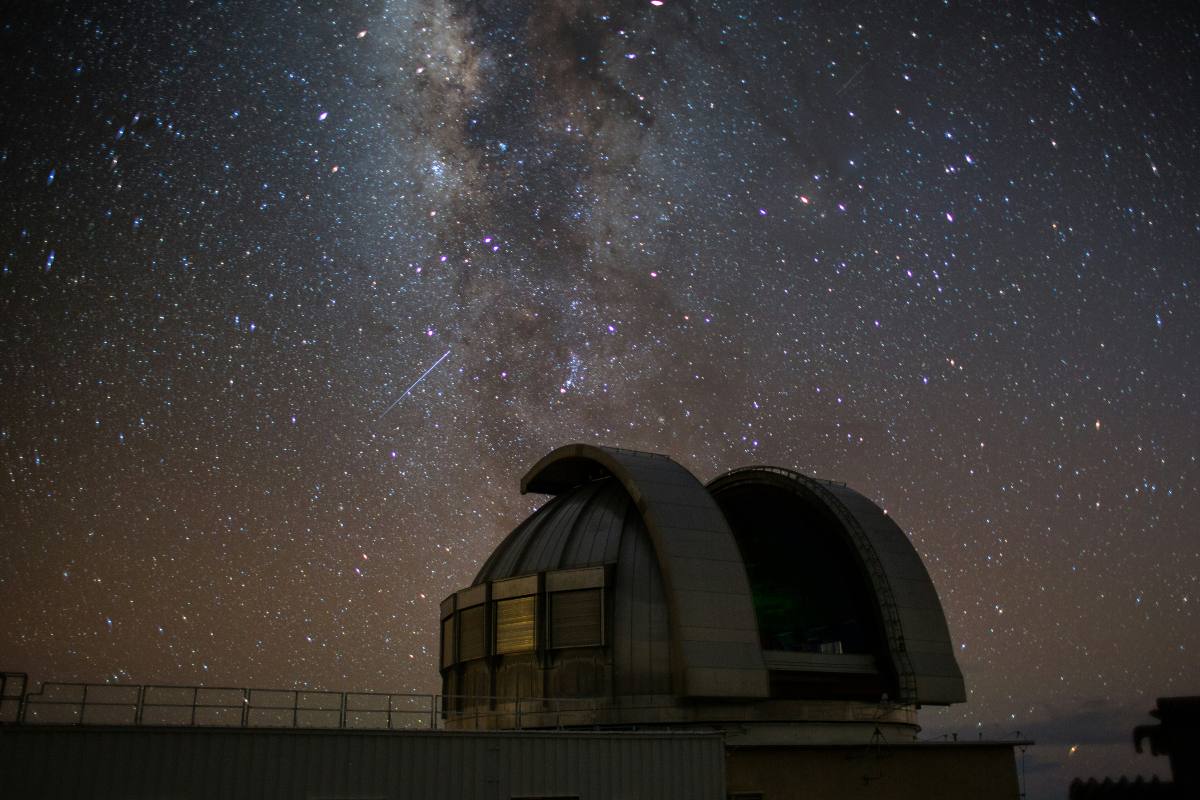
Meanwhile, cities internationally are organizing large public gatherings. In Argentina, the Argentine Association of Friends of Astronomy has organized an event at its headquarters in Parque Centenario in Buenos Aires, running from 7:30 p.m. to 11:00 p.m., according to Buenos Aires Secreta. The Buenos Aires gathering features telescope observations, screenings, art exhibitions, and expert-led talks covering topics such as lunar history, myths, calendars, and trivia. Admission is free, though attendees are encouraged to contribute a non-perishable food item for the @viandas.vasados initiative.
At-Home Resources and Remote Exploration
For those celebrating from home, numerous digital and physical resources are available. Space enthusiasts can explore hundreds of images captured by NASA’s Lunar Reconnaissance Orbiter (LRO) and the astronauts of Artemis II during their journey to the far side of the moon. Additionally, individuals with access to a 3D printer can create physical models of the lunar surface using LRO data, including the historic Apollo 11 landing site in the Sea of Tranquility.

Keep reading
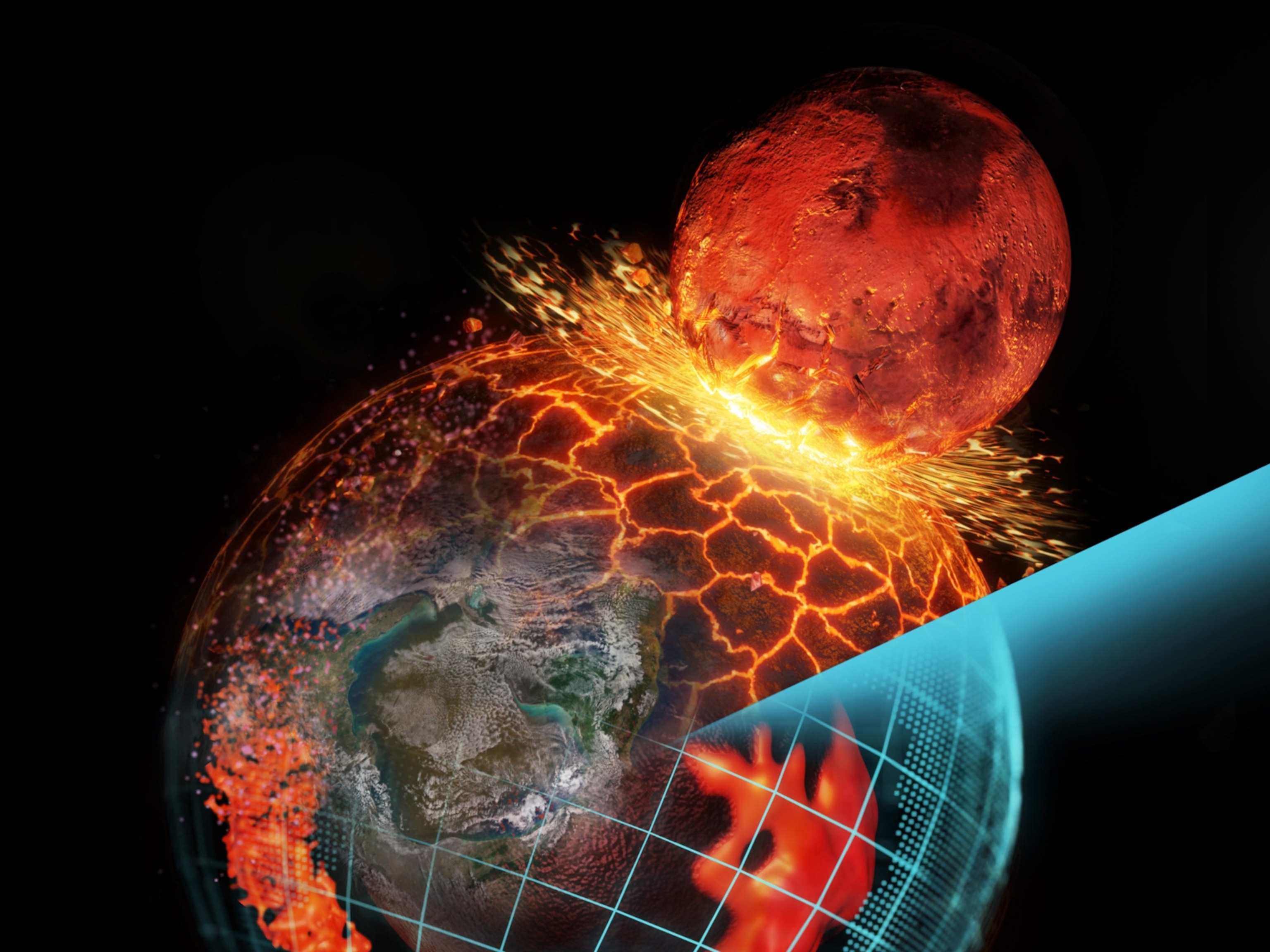
Venus May Have Destroyed and Swallowed Its Own Moon, Study Suggests
Venus may have once possessed a natural satellite capable of surviving for up to 1.7 billion years before...
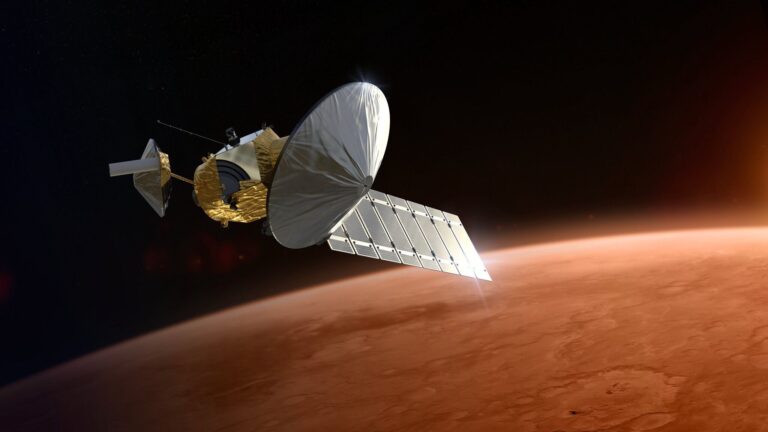
Rocket Lab Protests NASA’s $700 Million Mars Contract Award to Blue Origin
Rocket Lab filed a formal protest with the Government Accountability Office on September 11, 2026, challenging NASA’s decision...
Mozambique Formally Protects Mount Mabu as Community Conservation Area
Mozambique formally protected the 9,341-hectare Mount Mabu area in the Lugela district on August 24, granting land stewardship...
Researchers Identify Denisovan Remains and Tools in China’s Bianfu Cave
Researchers analyzing bones and stone tools from Bianfu Cave in China’s Yunnan Province have identified seven Denisovan remains...