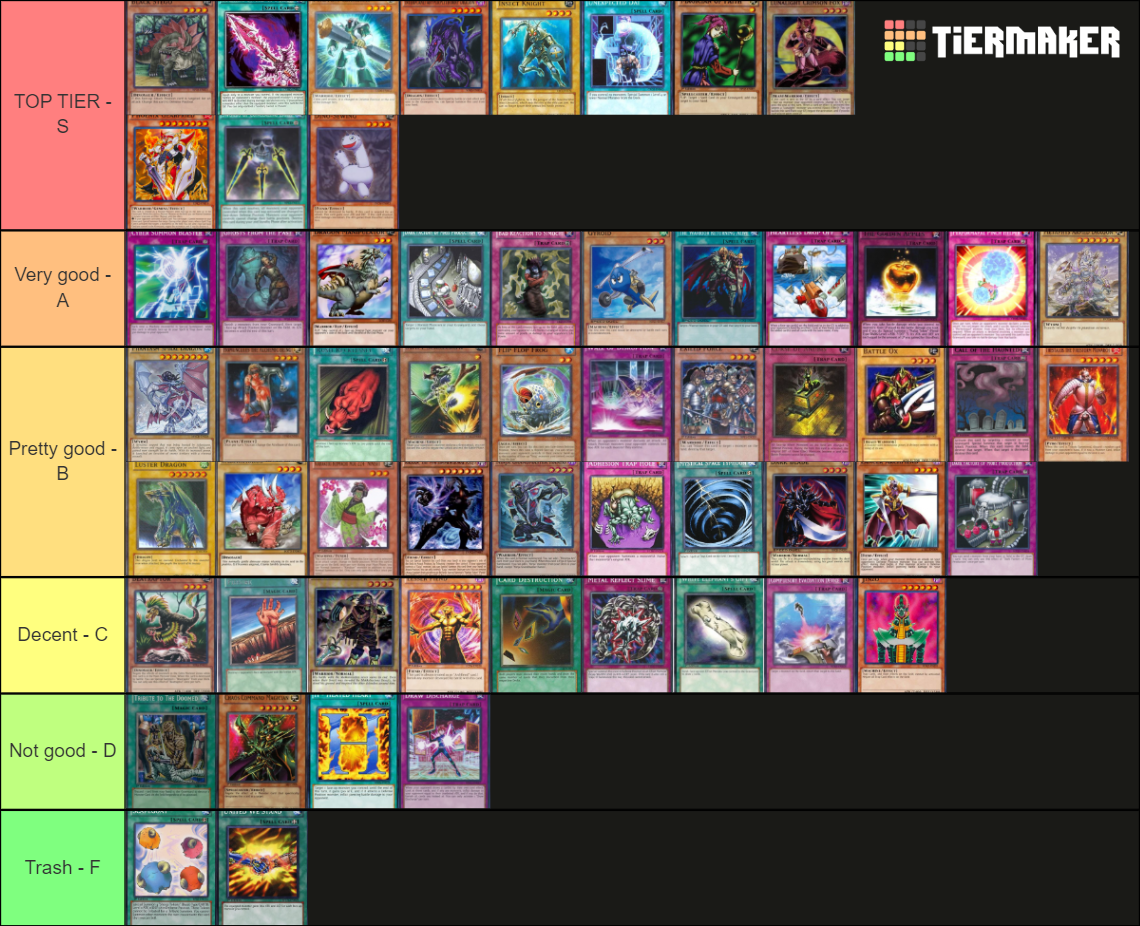
The Immortal Phoenix Returns: Analyzing the Latest Deck Lists
The competitive landscape of the trading card game community has shifted once again, with YGOrganization recently publishing a series of updated deck profiles that highlight the enduring power of the “Immortal Phoenix” and several other high-performing archetypes. As players navigate the current meta, these lists provide a granular look at how top-tier strategies are incorporating new support to maintain consistency and board presence.
The “Sun God” deck, centered around the iconic Winged Dragon of Ra and its various forms, remains a focal point for enthusiasts. The current iteration leans heavily into the “Immortal Phoenix” synergy, utilizing cards like “The Sun God Leading Down into Darkness” and “Sun God Domination” to facilitate powerful plays. By integrating “Egyptian God Slime” and “Lava Golem,” the deck forces opponents to contend with high-pressure monsters that can dismantle established boards. This reliance on a core set of powerful, high-level monsters reflects a strategic choice to prioritize raw impact over hyper-versatility.
明日発売‼️ 𝕴𝕸𝕸𝕺𝕽𝕿𝕬𝕷 𝐈𝐌𝐌𝐎𝐑𝐓𝐀𝐋 𝐏𝐇𝐎𝐄𝐍𝐈𝐗 𝟏𝟎.𝟑𝟏 𝐬𝐚𝐭 𝕻𝕳𝕺𝕰𝕹 収録カードを使用した デッキレシピをご紹介 ━v━━━━━━━━ ◤太陽神◢ 📝デッキレシピ詳細https://t.co/v4rd26F6VO ✅HPhttps://t.co/08pJkaj1EX pic.twitter.com/Tr2rvS8Rjp
Strategic Diversification Across Competitive Archetypes
Beyond the god-tier strategies, the recent data reveals a deliberate push into diverse mechanical archetypes. The “Harpie” and “Amazoness” hybrid deck, for instance, showcases a blend of classic control and aggressive swarming. With cards like “Amazoness Call” and “Harpie’s Feather Duster,” players are finding ways to clear backrow threats while maintaining a steady stream of resources. This structure suggests a meta that increasingly values dual-engine builds that can pivot between defensive disruption and explosive offensive output.
The “Winter Raven” deck introduces a more complex, combo-heavy approach. By leveraging “Diabellstar the Black Witch” alongside the “Sinful Spoils” engine, the deck achieves a high degree of searchability. The inclusion of “Baronne de Fleur” and “Chaos Angel” further reinforces the deck’s ability to exert control over the board state. This is a stark contrast to the more straightforward beatdown nature of the “Sun God” strategy, highlighting the breadth of viable playstyles currently available to competitive players.
The Rise of Utility Engines
The prevalence of utility cards across all these decks—specifically “Ash Blossom & Joyous Spring,” “Maxx ‘C’,” and “Infinite Impermanence”—underscores a universal need for interaction. Regardless of the core archetype, the ability to negate effects and disrupt opponent sequences has become a mandatory baseline for any serious deck construction. The “Salamangreat” and “Rikka” builds, in particular, demonstrate how archetypal consistency can be bolstered by these staple tech choices.
For the “Salamangreat” player, the focus remains on the “Promethean Princess” and “Salamangreat Raging Phoenix” loop, which allows for repeated resource recycling. Meanwhile, the “Rikka” strategy utilizes “Rikka Konkon” to turn opponents’ monsters into tribute fodder, a unique form of removal that has consistently proven effective in high-level play.
The “Artmage” and “Ars Magna” lists round out the collection, offering a more thematic, engine-focused build that relies on the “Power Patron” mechanics to facilitate synchro and link plays. These decks, while perhaps more intricate to pilot, represent the depth of the current game’s design, where specialized synergy often outweighs the brute force of singular power cards. As the meta continues to evolve, these lists serve as a baseline for players looking to refine their own strategies against an increasingly sophisticated field of competition.
明日発売‼️ 𝕴𝕸𝕸𝕺𝕽𝕿𝕬𝕷 𝐈𝐌𝐌𝐎𝐑𝐓𝐀𝐋 𝐏𝐇𝐎𝐄𝐍𝐈𝐗 𝟏𝟎.𝟑𝟏 𝐬𝐚𝐭 𝕻𝕳𝕺𝕰𝕹 収録カードを使用した デッキレシピをご紹介 ━v━━━━━━━━ ◤ハーピィ&アマゾネス◢ 📝デッキレシピ詳細https://t.co/kDhqxXoCYB ✅HPhttps://t.co/08pJkajzuv pic.twitter.com/y3pQPm98t0
Keep reading
Gov. JB Pritzker Pauses Public Events for Urology Procedure
Governor Pritzker Schedules Follow-Up Procedure Following Election Week Illinois Governor JB Pritzker will step away from the public...

United Dreamliner Returns to Chicago After Cockpit Windshield Crack
United Airlines Flight 219, a Boeing 787-10 Dreamliner headed from Chicago to Honolulu, was forced to return to...

South Carolina Volleyball Falls to No. 4 Florida in Straight Sets
Florida Volleyball Downs South Carolina in Straight Sets The South Carolina volleyball team faced a formidable challenge at...

Two Fatal Chicago Crashes Involving E-Bike and E-Scooter Spark Safety Concerns
Two Fatal Collisions in Two Days Ignite Urban Safety Concerns Chicago streets have seen a harrowing 48-hour span...