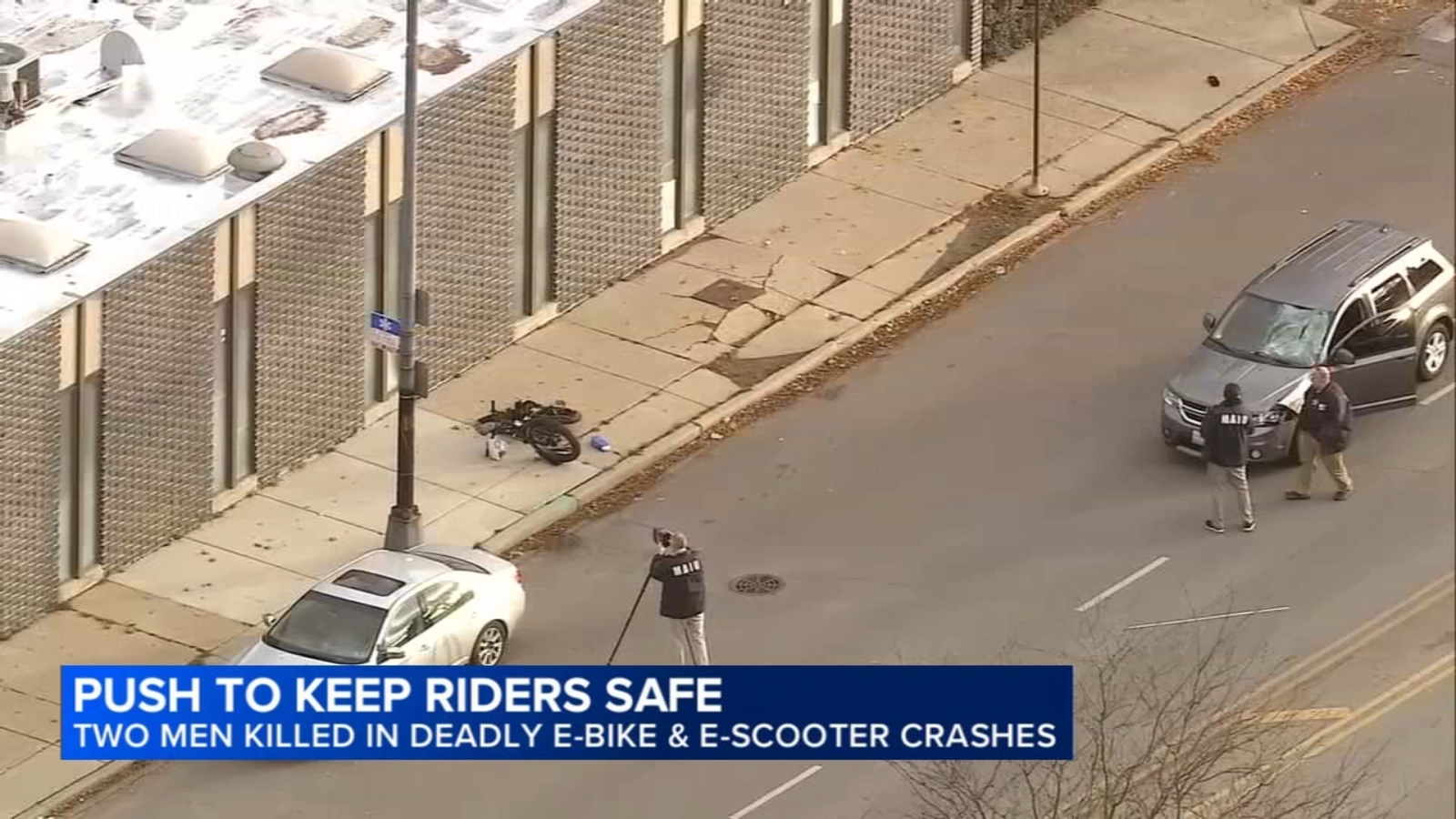
Two Fatal Collisions in Two Days Ignite Urban Safety Concerns
Chicago streets have seen a harrowing 48-hour span as two separate collisions involving small electric vehicles resulted in the deaths of two men. The most recent incident occurred Friday, November 6, 2026, when a 67-year-old man riding an e-bike was struck by an SUV on the city’s Northwest Side. Chicago police reported that the collision took place shortly after 4:30 a.m. at the intersection of West Peterson Avenue and North Jersey Avenue. Emergency responders transported the rider to St. Francis Hospital, where he was pronounced dead, according to ABC7 Chicago.
This tragedy followed another fatal encounter just one day prior. Shortly after midnight on Thursday, a 39-year-old man riding an e-scooter was killed in the Bridgeport neighborhood after a collision with a Chicago police patrol vehicle on South Princeton Avenue. While investigators continue to examine the circumstances behind both events, the proximity of the two deaths has forced a wider conversation regarding the integration of electric-assist transportation into Chicago’s dense traffic grid.
Regulatory Shifts and the Road Ahead
The urgency of these investigations is underscored by the changing legal landscape in Illinois. Earlier this year, Governor JB Pritzker signed legislation that establishes clear age requirements, speed limits, and designated operating zones for e-bikes and e-scooters. These provisions are set to go into effect in January 2027, creating a new framework for how these devices share the road with traditional motor vehicles. As state officials prepare for these changes, local leaders are grappling with the immediate reality of roadway safety.

Alderman Debra Silverstein, who represents the 50th Ward where the Peterson Avenue crash occurred, addressed the loss in a statement, noting that her office is working closely with city agencies to ensure streets remain safe for all users. The incident has also drawn attention to the changing demographics of those relying on these vehicles. Molly Hart, a spokesperson for AAA, highlighted that the appeal of e-bikes now spans all age groups, often serving as a necessary tool for seniors who may lack access to a personal car.
“Senior citizens are also using e-bikes. It may be because they don’t have a car, they can’t afford a car, so they’re using them to get to their doctor’s appointments or to the grocery store,” Hart said.
The Mechanics of Intersection Risk
The collision near Peterson and Jersey avenues remains under active investigation by the Chicago Police Department. While investigators have confirmed that the driver of the SUV was cited for failure to reduce speed, many factors regarding the early-morning crash—such as lighting conditions and the precise trajectory of the vehicles—are still being analyzed. Similar questions persist regarding the Bridgeport collision involving the police patrol vehicle, as authorities work to piece together the sequence of events that led to the second fatality in as many days.

For families impacted by these incidents, the aftermath involves difficult questions regarding liability and the duty of care expected of motorists. Legal frameworks in Illinois often center on whether a driver exercised reasonable care when navigating intersections shared with cyclists. While a traffic citation can be a factor in such determinations, the process of establishing civil liability following a fatal collision is often a complex, months-long undertaking that involves reviewing right-of-way compliance and environmental visibility.
As the city looks toward the implementation of new state regulations in early 2027, the focus remains on the immediate human cost of these crashes. With the popularity of electric-assist travel continuing to climb, the challenge for city planners and law enforcement is to balance the growth of these transit alternatives with the physical realities of Chicago’s infrastructure.
Daphna Collier sentenced to 10 years for killing YMCA worker in DUI crash
The Cost of a Reckless Moment on I-520 The tragedy that unfolded on Interstate 520 in Augusta on...

National WWII Museum Mourns Naval Historian Craig L. Symonds
A Scholar of the Sea: Remembering Craig L. Symonds The National WWII Museum in New Orleans is mourning...

Gabriel Lekron recovers after being shot in the face in west Wichita
The Morning Gabriel Lekron Was Struck in His Own Home On the morning of October 31, 36-year-old Gabriel...

Democrat Eric Armstrong Wins Iowa House Seat After Suspending Campaign
The Legislative Seat Won by a Candidate Who Left the Race In a result that highlights both the...