
An Albany car crash can leave you dealing with medical bills and time away from work before anyone has resolved who was responsible, The Towne Law Firm, P.C. reported Thursday.
New York’s no-fault system — technically Personal Injury Protection — is built to cover certain costs without waiting for a fault determination. The coverage pays reasonable crash-related medical expenses and a slice of lost earnings, capped by the policy’s limits and the paperwork the insurer demands.
It does not pay for pain and suffering, and eligibility hinges on the specific policy language, the vehicle involved, and how that vehicle was being used at the moment of impact.
No-fault is not a payment for every consequence of a collision, the firm’s analysis notes. Benefits can be derailed by exclusions, missed deadlines, or gaps in documentation, and not every person in the same wreck qualifies for the same payout.
Albany County has no separate PIP program; the statewide framework applies. Still, the insurer handling the claim and the facts of the crash shape how the process plays out. Keeping claim correspondence, medical bills, wage records, and crash photos organized helps clarify which company is handling which request — because the no-fault carrier and the at-fault driver’s liability carrier are often different entities asking for different proofs.
A personal injury claim against an at-fault driver is a different legal pathway. It targets losses no-fault ignores — chiefly pain and suffering — and economic damages that exceed no-fault caps. But New York law raises a gatekeeper: the “serious injury” threshold.
An injured person must fit a statutory category — such as significant disfigurement, fracture, or a medically documented limitation lasting 90 of the first 180 days — before a court will entertain non-economic damages. A no-fault check arriving in the mail does not automatically prove the threshold is met, and a police report does not by itself establish legal liability.
The two tracks run simultaneously but are not interchangeable. Insurers may assert reimbursement rights or credits that shift how losses are ultimately accounted for. Missing a notice deadline with one carrier while assuming the other has it covered is a common, avoidable complication.
Useful records include the names and contact information for every adjuster, copies of every form submitted and received, itemized medical bills, wage verification for lost-income claims, and any crash-scene photos or witness details. Deadlines vary by policy and claim type, and exceptions exist — but waiting to sort them out later usually costs more than asking early.
An insurer’s decision about no-fault benefits is not necessarily a decision about fault or the value of a separate injury claim.
The Towne Law Firm, P.C.
The firm offers free consultations to Albany-area residents sorting through these overlapping processes. The information in its release is educational, not legal advice; anyone needing advice specific to their case should contact an attorney licensed in New York.
Keep reading

Boston’s Iconic CITGO Sign Re-Lit After $8M Restoration Atop 660 Beacon St.
Boston’s iconic CITGO sign flickered back to life Thursday evening, six months after crews dismantled the 125,000-pound landmark...

Jacksonville Volleyball Sweeps West Florida to Reach ASUN Semifinals
Jacksonville Dolphins swept West Florida 25-23, 25-22, 26-24 on Thursday night in Fort Myers to reach the Atlantic...
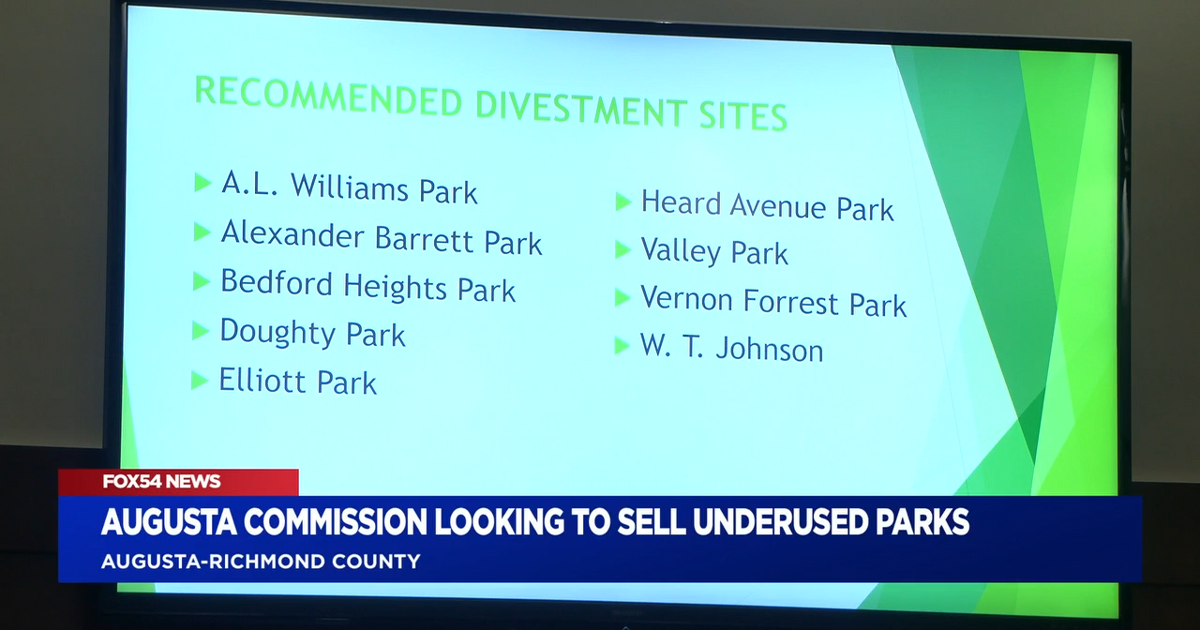
Augusta Commissioners Vote to Sell Six Neighborhood Parks
Augusta commissioners voted unanimously Tuesday to move ahead with selling six neighborhood parks, advancing a plan that would...

UTEP Sweeps Battle of I-10 for First Time in 16 Years with 84-69 Win at NMSU
UTEP completed its first sweep of the Battle of I-10 in 16 years Thursday night, handing New Mexico...