
Let’s get straight to it: the U.S. Treasury has officially approved Mississippi’s 102 new Opportunity Zones, a move designed to steer private investment into some of the state’s most promising yet underserved communities. Governor Reeves’ office reported the news, confirming that these zones, spanning 50 counties and set to launch on January 1, 2027, are a cornerstone of the state’s economic strategy. The development affects more than financial reports in Jackson; it also changes the lives of people in those designated areas of Mississippi.
So, what’s the big deal here? Think of it as a targeted injection of capital. The Opportunity Zones program, which was made permanent back in 2025, works by giving federal tax incentives to investors who pour their money into these specific low-income areas. The goal is simple but powerful: to create jobs, build businesses, and turn potential into prosperity. For Mississippi, this means a fresh chance to compete on a national stage for the investments that can truly reshape local economies. The state’s selection process, led by the Mississippi Development Authority, wasn’t just a bureaucratic exercise; it was a deliberate effort to ensure that communities from the Delta to the Pine Belt had a seat at the table. And the results are telling: 78 of the 102 new zones are rural, a clear signal that the state is serious about bringing opportunity beyond its metro areas.
A Fresh Start for Rural Mississippi
This isn’t just an update; it’s a reboot. The original Opportunity Zones, established by the Tax Cuts and Jobs Act of 2017, were a good start, but the new “2.0” program introduces updated rules and stronger incentives, with a special focus on rural development. This is a critical shift. For decades, attracting private capital to rural areas has been an uphill battle. Traditional investment often follows the path of least resistance, flowing to established urban centers where the infrastructure and talent pools are already in place. But Opportunity Zones create a powerful financial reason for investors to look elsewhere, to see the potential in a small town’s Main Street or a rural county’s industrial park.

Take a moment to consider the human impact here. We’re talking about census tracts where families have faced generations of economic stagnation. Opportunity Zones aren’t abstract concepts on a map; they represent a tangible opportunity for a local entrepreneur to secure funding for a new manufacturing plant, for a developer to renovate a vacant building into affordable housing, or for a community health center to expand its services. The tax benefits for investors are a means to an end, and that end is a more vibrant, resilient local economy. As Mississippi Development Authority Executive Director PJ Waldrop put it, “Access to capital is essential to economic development, particularly in communities where traditional investment can be more difficult to attract. Opportunity Zones provide another tool to help Mississippi communities compete for private investment and move development projects forward. With 78 rural tracts included in these designations, we have an opportunity to connect more of our state’s communities with investment that can generate economic activity and create jobs.”
The Race for Investment
Gov. Reeves framed this as a competition, and he’s right. States and communities across the country are vying for this very same designation. Mississippi secured 102 zones because officials coordinated their effort and made a strong case to federal authorities. The move shows the state is open for business and knows how to use federal programs to help local communities. The message to investors is clear: Mississippi has done its homework, identifying areas with real potential, and now is the time to get in on the ground floor.
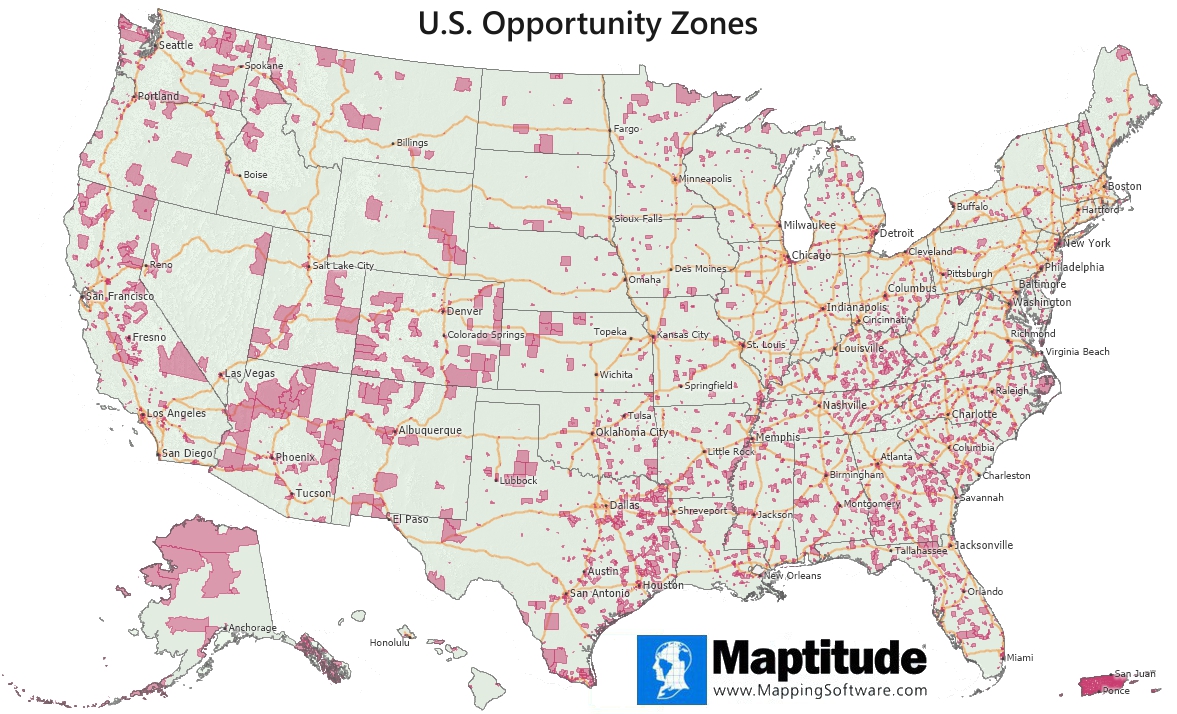
But let’s be the devil’s advocate for a moment. Are these zones a guaranteed path to prosperity? Not necessarily. The program is a tool, not a magic wand. The success of a zone depends entirely on the quality of the investments it attracts. A poorly planned project can do more harm than good, and there’s always the risk of “gentrification creep,” where rising property values and new development price out the very residents the program is meant to help.
The timeline provides a sense of urgency and permanence. The new zones become effective on January 1, 2027, kicking off the first of the program’s new 10-year designation cycles. This gives developers, businesses, and local leaders a clear runway to plan and execute projects. Critically, the original designations won’t disappear overnight; they will remain in effect through December 31, 2028, creating a brief period of overlap. This dual-zone period could be a strategic advantage, allowing some communities to continue benefiting from the initial program while simultaneously preparing for the next wave of investment.
For the people living in these 102 tracts, the coming years will be a period of watching and waiting. Will new jobs appear? Will storefronts on empty streets reopen? Will their children see more opportunities right at home? The Treasury’s approval is the starting gun. The real story will be written in the months and years to come, measured not in policy papers, but in the measurable, human progress that follows.

Mississippi Experts Explain How to Cure Affidavit and Mail Ballots
8,000 Mississippi Ballots in Limbo as Senate Race Hangs by a Thread What was supposed to be a...

Missouri voters approve Amendment 6 to limit legislative override power
A Landmark Shift in Missouri: Voters Slam the Brakes on Legislative Override Power On Tuesday, voters approved a...

Kyle Shanahan Confirms 49ers Explored Jauan Jennings Trade
San Francisco 49ers head coach Kyle Shanahan confirmed the team explored a trade for former wide receiver Jauan...

Kansas elects Democrat Hamilton to Senate in upset
There are political earthquakes, and then there are political tremors that feel bigger than they look. In Kansas,...