
Nine homicides have been recorded in Trenton this year, a year-to-date rate of 9.8 per 100,000 residents that would mark the capital city’s lowest total in 27 years if the pace holds.
Every year since 1999 has logged a rate of at least 15 per 100,000, according to figures reported by PIX11. The 2026 trajectory breaks a pattern that held for more than a quarter-century.
“While he’s encouraged by the numbers, he’s urging the city to continue its efforts to prevent violence and support residents so everyone can benefit from the progress,” Mayor Reed Gusciora said, according to the PIX11 report.
The decline coincides with a deliberate staffing reversal. Since 2025, Trenton has added 52 officers to a department that had been hollowed out by layoffs tied to earlier state aid reductions, the mayor’s office told PIX11.
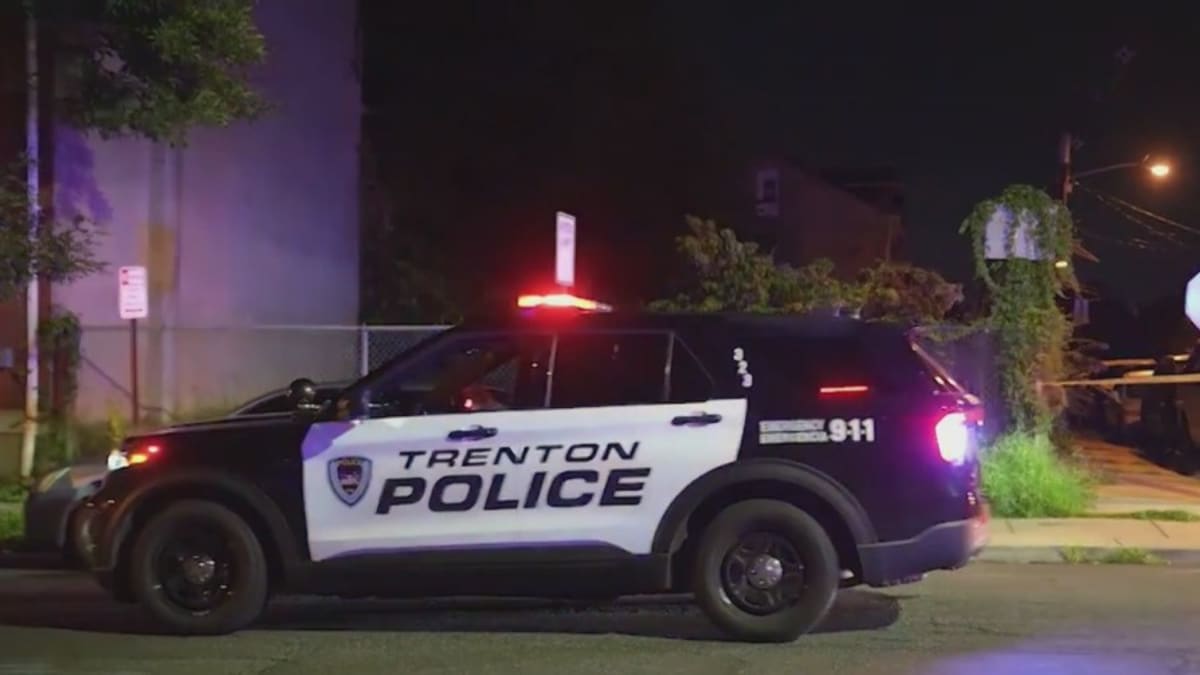
The department has also launched a Real Time Crime Center linking city police with the Mercer County Prosecutor’s Office, the Mercer County Sheriff’s Office, and New Jersey State Police to streamline communication and response, PIX11 reported.
Parallel to the hiring push, the city established the Trenton Community Street Teams in 2022. The program, a collaboration among the police department, the city’s Department of Health and Human Services, and the nonprofit Isles Inc., trains outreach workers — including formerly incarcerated residents — to mediate disputes and escort students to school, according to PIX11.
In 2024, the city allocated about $1.3 million to support the effort, PIX11 reported.

A rate of 9.8 per 100,000 sounds abstract until it is anchored to the raw count: nine lives lost across eleven months in a city of roughly 92,000 people. The comparison figure — 15 per 100,000 — represents a floor, not a ceiling; several recent years pushed well above 30. The projection holds only if no significant changes occur before year-end, a reminder that a single bad weekend could shift the final statistic.
The final 2026 tally will not be certified until January. Gusciora told PIX11 the city must sustain both the staffing level and the community investment to keep the trend line from snapping back.
Worth a look
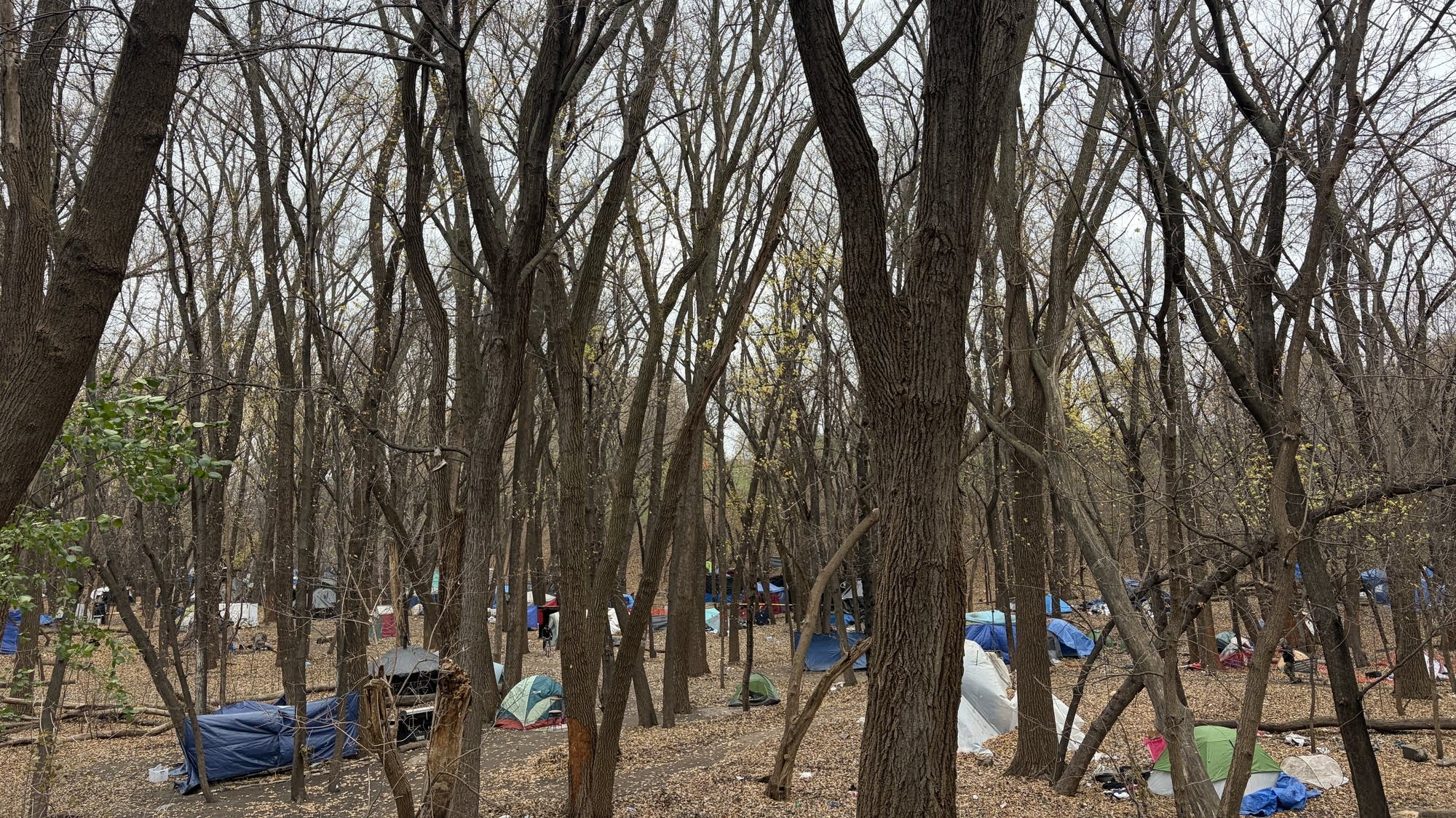
St. Paul Mayor Announces Dec. 8 and Dec. 15 Closures for Two Homeless Encampments
St. Paul Mayor Kaohly Her announced Thursday that the city will clear its two remaining large homeless encampments...

East Providence Resident Gets Rabies Treatment After Attack; RI Sees 48 Rabid Animals in 2026
Rhode Island has confirmed 48 rabid animals so far in 2026, nearly doubling the five-year annual average of...

Nevada Dance Company Presents “The Nutcracker” With Sacramento Ballet Guests, Sensory-Friendly Show Thanksgiving Weekend
Guest artists from Sacramento Ballet will join more than 80 young dancers from across Northern Nevada this Thanksgiving...

Federal Grand Jury Indicts Six in Utah Human Trafficking Ring Disguised as Massage Parlors
A federal grand jury in Utah has indicted six people for running what prosecutors describe as a human...