
Economic anxiety is reshaping politics in both the United States and Australia. Voters are sending a blunt message to their leaders: fix the cost of living or face the consequences at the ballot box.
In the United States, recent midterm elections have delivered what The Guardian describes as an absolute rout for Donald Trump. While many factors influenced the results, The Guardian reports that the cost of fuel and broader economic pressures were decisive. This shift suggests that even voters who previously overlooked character concerns may prioritize immediate financial stability.
The situation in Australia mirrors this volatility. According to smh.com.au, the message from Australian voters is equally clear. However, the tools available to the government to address rising prices are limited and often involve immediate pain for the sake of long-term stability.
The central bank dilemma
In a capitalist economy, the government cannot directly dictate the prices businesses charge for goods. Instead, as smh.com.au explains, the responsibility for managing inflation has largely shifted to independent central banks. In Australia, the Reserve Bank uses interest rate hikes to dampen demand and slow price increases.
This strategy creates a bitter irony for the average household. While higher rates are intended to eventually lower the cost of living, they immediately increase the burden of mortgage repayments. For younger Australians carrying significantly larger loans than previous generations, this impact is magnified.
The current economic climate presents several conflicting pressures:
| Metric/Event | Status/Detail | Source |
|---|---|---|
| Official Interest Rate | 4.85 per cent | smh.com.au |
| Headline Inflation | 4.3 per cent | smh.com.au |
| Underlying Inflation | 3.6 per cent | smh.com.au |
| US Midterm Context | Democratic “blue-nami” | thepoint.com.au |
The 4.85 per cent interest rate is the highest seen in 18 years. smh.com.au notes that this rate will likely feel more painful than the rates seen in 2008 because current house prices and home loans are roughly two to three times higher than they were then.
Data centre construction drives business investment growth
Reserve Bank Governor Michele Bullock recently argued for further rate increases due to “excess demand” in the economy. However, some analysts question the accuracy of this assessment. smh.com.au points out that consumer spending, which makes up over half of total demand, is not growing strongly.

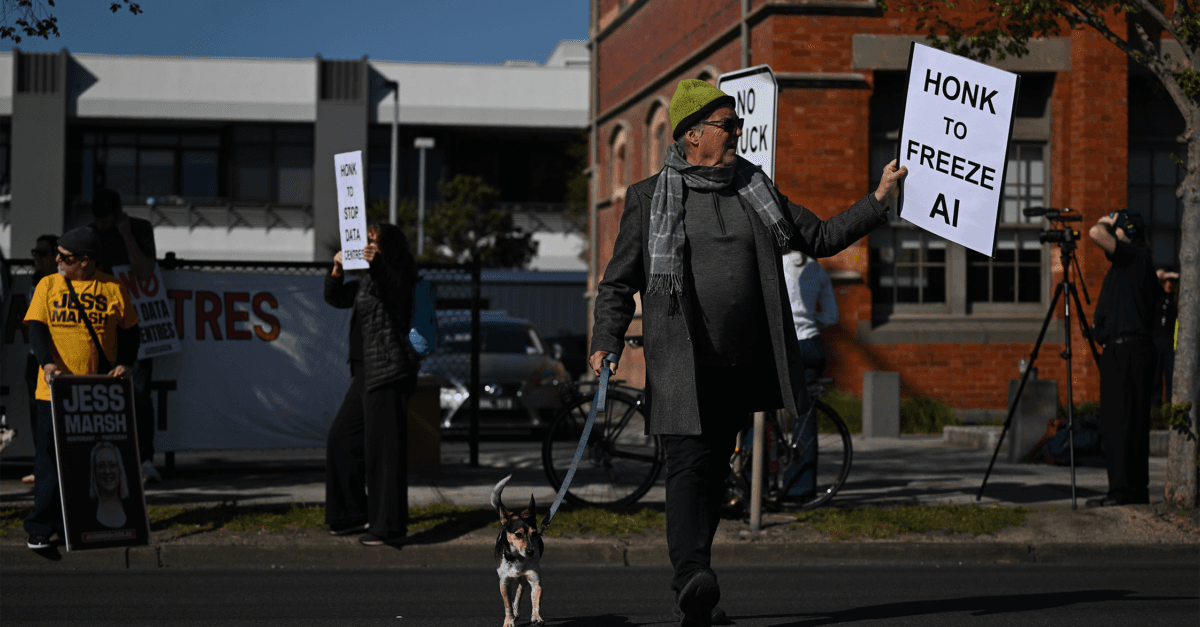
Instead, the primary driver of growth appears to be business investment in plant and equipment, specifically the construction of data centres. This trend has become a point of political contention. thepoint.com.au reports that in the US, anti-data centre messaging was a key component of significant Democratic wins in states like Ohio and Texas.
The Australian government faces a similar tension. thepoint.com.au suggests that while the AI industry presents itself as the backbone of a future economy, it often requires substantial subsidies and resources. This mirrors the historical debate surrounding fossil fuels, where critics argue that industry interests are sometimes prioritized over the direct economic prosperity of citizens.
“It’s not left versus right, it’s top versus bottom.” James Talarico
This sentiment, expressed by Texas senator-elect James Talarico as reported by The Guardian, captures the growing divide between institutional economic drivers and the lived reality of everyday voters.
Political risks for incumbents
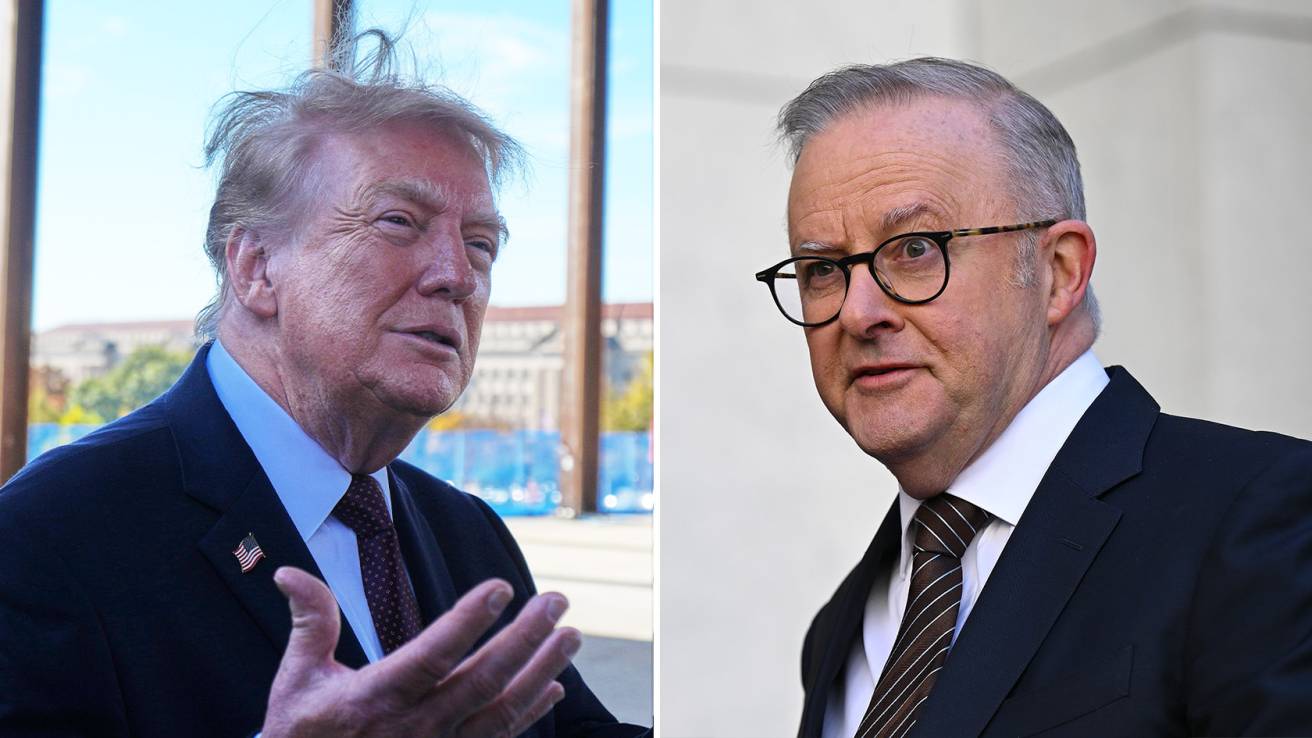
The risk of a “blue wave” hitting Australian politics is not purely theoretical. Crikey warns that if American voters can shift in massive numbers in just two years, Australian voters facing similar inflation and interest rate pressures could do the same. This could potentially transform Anthony Albanese’s 2025 majority into a minority government by 2028.
The political class is also grappling with the “performative” nature of economic management. smh.com.au observes that the Reserve Bank’s focus on maintaining credibility and managing inflation expectations can sometimes lead to actions that feel disconnected from the struggles of the public. For example, the Reserve’s desire to signal action can influence financial markets to expect rate rises, which in turn can pressure the board to follow through.
While Anthony Albanese has pledged to avoid a recession, smh.com.au notes that the government has little direct control over the monetary policy decisions that drive interest rates. The battle for political survival may ultimately depend on whether the government can address the underlying causes of inflation—such as high global petrol prices—or if it remains caught in the cycle of high-interest-rate management.
Related reading
- ASAM Releases Clinical Guide for Managing Medetomidine Exposure
- Epion Study Associates Keratoconus Severity and Age with ECD Decline
- Trump says FBI investigating Nvidia boss's affair with alleged Chinese spy (newsarchyuk.com)
- Trump Says Iran Militarily Over and Renewed US Attacks Highly Unlikely (archyde.com)

ASAM Releases Clinical Guide for Managing Medetomidine Exposure
The American Society of Addiction Medicine (ASAM) has released the first national clinical guide for managing the intoxication...

Epion Study Associates Keratoconus Severity and Age with ECD Decline
Keratoconus severity correlates with cell density decline Corneal endothelial cell density (ECD) drops as keratoconus advances and patients...

Student Data Breached in SATS Tappee School Meal App Incident
An unauthorized external party accessed the Tappee meal ordering app, compromising the personal information of students at four...

Researchers Discover Why Childhood Cancer Cells Spread Aggressively
Metastasis is driving cancer-related deaths in children by exploiting the natural flexibility of young, developing cells, according to...