
The Ukrainian digital identity sector is navigating a complex landscape where rapid state-driven adoption of biometric authentication meets the harsh economic realities of a five-year-long conflict.
While the government’s Diia ecosystem has normalized remote identity verification for millions, commercial deployment remains fragmented as businesses prioritize survival over large-scale infrastructure investment.
The Bottom Line:
- Usage Velocity: Cumulative usage of Diia.Signature surged past 122 million by the end of 2025, with 13 million active users relying on biometric verification for public services.
- Document Demand: The State Migration Service issued over 2.2 million biometric passports and ID cards in the first half of 2026 alone, signaling sustained demand for physical-digital identity anchors.
- Market Compression: Large-scale commercial biometric projects remain stalled due to infrastructure damage and reduced corporate capital expenditure, according to industry executive Eugene Rimek.
Government-Led Digital Adoption
The shift toward biometric authentication in Ukraine is largely a result of state initiatives designed to maintain continuity in public administration. The Diia.Signature tool has become the primary gateway for digital interaction, requiring users to authenticate via NFC-enabled ID cards or passports paired with facial recognition.
According to Oleksandr Iefremov, CEO of Kitsoft, the reliance on these tools has become critical for reaching citizens displaced by the war.
“In the public sector, one of the most widespread applications of biometric technologies is the issuance of biometric international passports and national ID cards,” Iefremov noted. This infrastructure now supports diverse services, including remote identity verification for the Pension Fund, allowing citizens in temporarily occupied territories or abroad to manage essential finances.
The Commercial Gap in Biometric Deployment
While government adoption has reached scale, the private sector presents a more cautious profile. Eugene Rimek, CEO of Biosol, reports that demand for biometric solutions in the commercial segment is lagging behind expectations. While fingerprint and facial recognition are common for basic access control, sophisticated integration remains limited by the current macroeconomic environment.
“Significant breakthroughs regarding large-scale biometric technology implementation projects should not be expected until the war ends,” Rimek stated. He said destroying physical infrastructure primarily reduces profit margins for companies that would otherwise invest in advanced authentication systems.
Fintech Firms Adopt Biometric Authentication for Payments
Despite the constraints, the financial technology sector remains a bright spot for biometric expansion. Banks and fintech firms are increasingly adopting multi-factor authentication (MFA) linked to biometric markers to prevent fraud.
The entry of global players has accelerated this trend. Visa launched its “Visa Payment Passkey” in Ukraine in April 2025, allowing users to authorize transactions through facial or fingerprint recognition.
Subsequent integrations with local payment service providers like PSP Platon and RozetkaPay have extended the reach of this technology. Oleksandr Sokolov, CEO of Pro-Consulting, anticipates that biometric payment authentication will continue to gain traction throughout 2027 as e-commerce platforms look for more secure, frictionless checkout processes.
Regulations Lack Specific Rules for Biometric Data Processing
The rapid adoption of these technologies has outpaced the existing regulatory framework, creating uncertainty for firms seeking to scale. While Ukraine operates under general personal data protection laws, the specific requirements for biometric data processing—including retention periods, access procedures, and independent oversight—require further clarification.
Aligning these regulations with European Union standards is now a central priority for the government. This alignment is essential not only for domestic security but for the potential integration of Ukrainian digital identities into broader European digital markets.
“Biometric authentication is no longer an optional security layer; it is the fundamental building block for the next generation of digital finance and government services,” noted an analyst at a major European fintech consultancy. “The challenge for the Ukrainian market is not the technology itself, but the ability to monetize these tools while the broader economy operates under extreme fiscal pressure.”
Impact on the Everyday User
For the average Ukrainian, these shifts mean that mobile banking and government services are becoming more accessible despite the physical disruptions caused by the war. The ability to verify one’s identity remotely through a smartphone has reduced the need for in-person visits to government offices, saving both time and resources. However, this reliance creates a new dependency on specific software ecosystems. As the market matures, the ability to balance convenience with robust data protection will determine whether biometric adoption remains a government-led necessity or evolves into a standard commercial tool for the broader population.
The trajectory of this market remains tethered to the broader macroeconomic outlook. While the volume of digital identity transactions continues to climb, the lack of large-scale, enterprise-level investments suggests that the sector will continue to grow unevenly until the country moves past its current wartime footing.
Disclaimer: The information provided in this article is for educational and market analysis purposes only and does not constitute financial, investment, or legal advice. Always consult with a certified financial professional before making investment decisions.
Worth a look

U.S. Cattle Ranch Numbers Decline Since 1978
The Shrinking American Cattle Ranch The American landscape is undergoing a quiet, structural transformation that is landing directly...

Jake Fette Makes History as Arizona State Defeats Colorado 20-10
Jake Fette Makes History in Sun Devils Win Over Colorado Jake Fette etched his name into Arizona State...
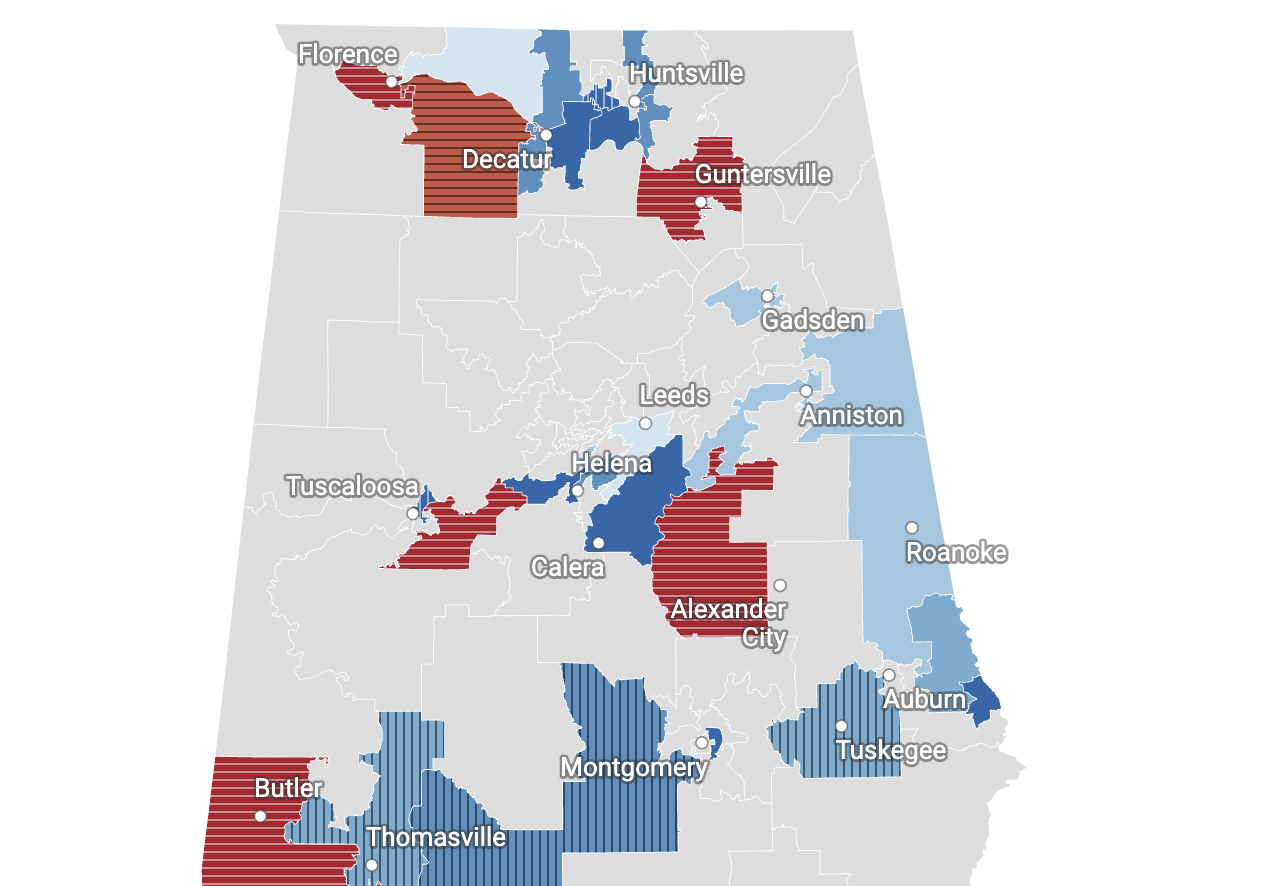
Democrats Flip 4 Seats as Alabama Legislative Margins Shift
Alabama’s legislative makeup changed in subtle but telling ways this past Tuesday, as Democrats managed to chip away...

Wyoming’s Barrasso, Hageman and Gray Face Democrat-Led Congress
Wyoming’s Republican Delegation Faces Shift to Minority Power When the new Congress convenes this January, Wyoming’s all-Republican congressional...