
An undergraduate education can change what a student believes is possible. For the University of Connecticut, scaling that discovery to meet student demand now means transforming an academic staple into a dedicated college.
The university is establishing the UConn Honors College, building on its longstanding Honors Program. University leaders announced the structural shift to give the enriched academic track greater visibility, help prospective students understand the opportunities available to them at UConn, and strengthen the university’s ability to attract students who want to challenge themselves academically as competition increases, particularly in the Northeast.
Expanding Access and Mentorship Across Campuses
More than 2,600 students currently participate in honors coursework across UConn’s campuses, with majors spanning the University’s undergraduate schools and colleges. Yet, university officials note that student demand already exceeds the program’s capacity. By launching the Honors College, administration plans to support modest enrollment growth so that more students can participate in expanded course offerings and enrichment opportunities.
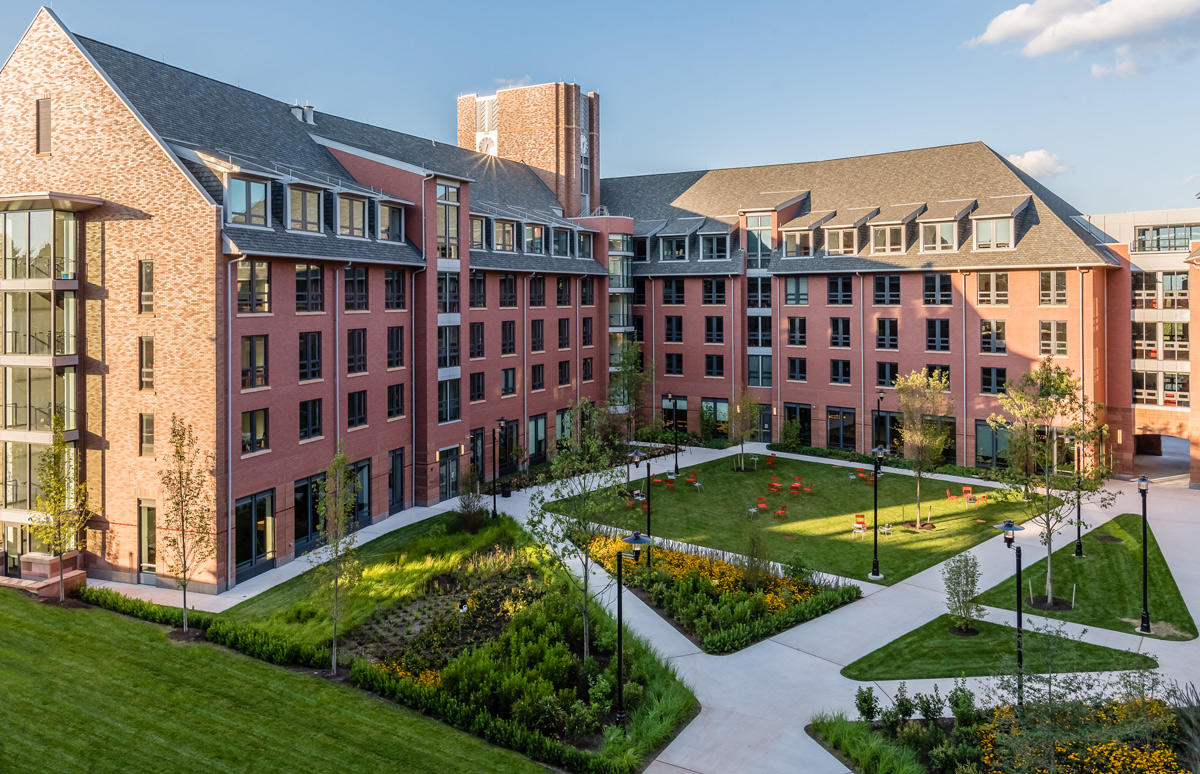
“We want exceptional students to see their future at UConn, and we want to give them every reason to stay,” says president Radenka Maric. “Our Honors students already show us how much they can accomplish when given the opportunity. This college builds on their success and our belief that, with the right support, they can go further than they ever imagined.”
Underpinning the academic structure is a pedagogical framework designed around gifted education research developed at the University by Joseph Renzulli and Sally Reis. The resulting approach—summarized by the mantra to “explore, create, lead”—pushes undergraduates to move past simply mastering existing knowledge and begin contributing original research and creative works.
Leadership and the Foundation of Undergraduate Research
Jennifer Lease Butts, who has directed the Honors Program since 2012, will serve as the college’s inaugural dean. Lease Butts brings extensive knowledge to the role, having helped expand honors access across UConn’s campuses while overseeing the academic direction and administration of Honors and Enrichment Programs.
“I am thrilled to support UConn and our students in the transition to an Honors College,” Lease Butts said. “Honors has been a key component of the UConn academic experience since 1964. Our success today is built on the commitment of past leaders like Dr. John Tanaka and Dr. Lynne Goodstein.”
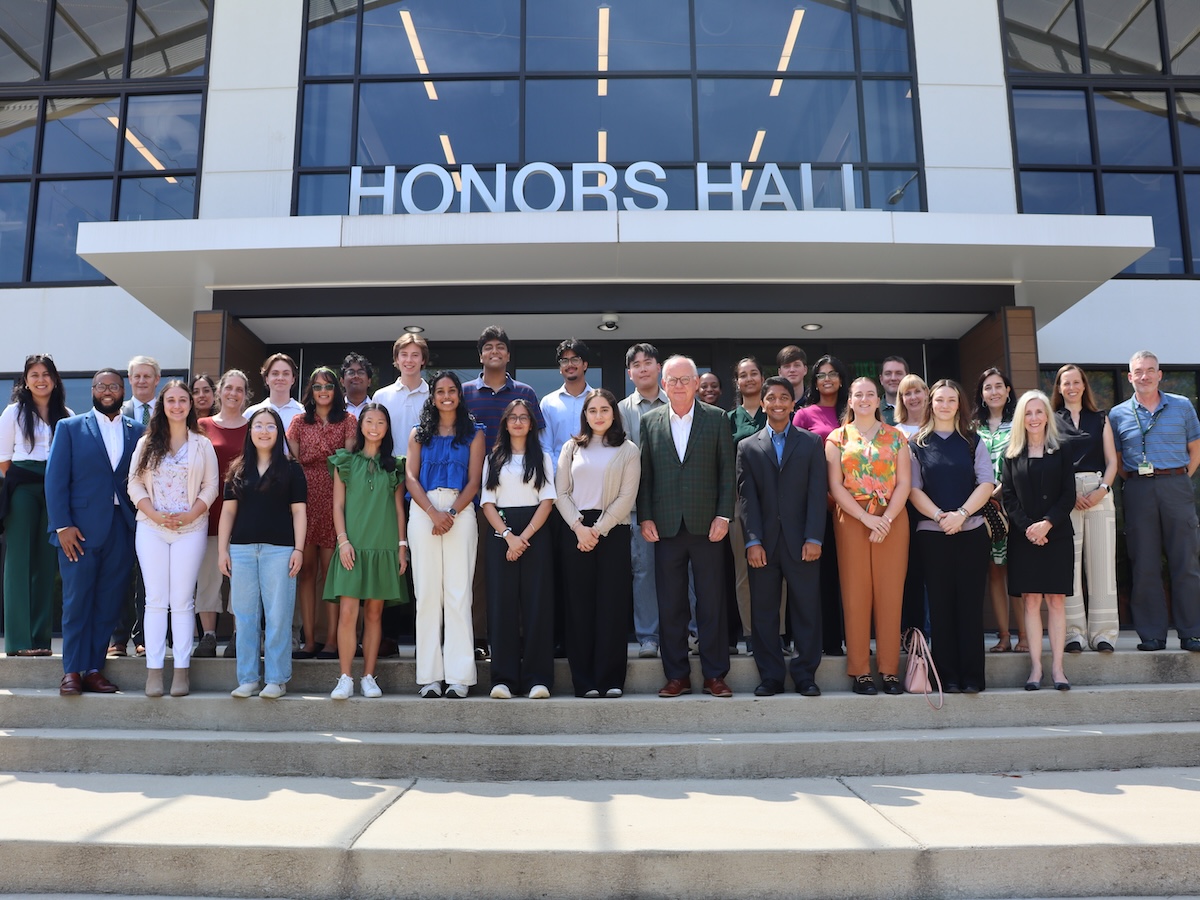
Students within the program frequently point to early exposure to independent inquiry as a defining element of their undergraduate trajectory. For Daniel D’Souza ’28 (CLAS), a molecular and cell biology and applied mathematical science major, early research backing proved pivotal. As a 2025 Holster Scholar—supported by a donor-funded program that enables students to pursue independent research during the summer following their first year—D’Souza pursued projects in UConn laboratories and at the Mayo Clinic before being named a 2026 Goldwater Scholar.
Stamford Honors Scholar Jennifer Pires ’26 (CLAS) shared a similar sentiment regarding the community fostered by the initiative. “The Honors Program was more than just checking the boxes for graduation with Honors, it was an experience that truly shaped who I am now,” Pires noted. “I got to explore the world of research, have the creative space for pursuing my passion for film, had opportunities to grow as a leader, an activist, and explorer of education.”
Institutional Stakes and the Road Ahead
The establishment of the college arrives at a time when the university aims to strengthen opportunities that help students develop their potential.
Provost and executive vice president Pamir Alpay noted that “our faculty devote considerable time to helping Honors students develop their ideas and pursue work they might not have thought possible,” adding that “establishing the Honors College is an investment in our students and in the faculty who help them succeed.”
To sustain this momentum, planned university investments include the introduction of a new Honors Faculty Fellows Program designed to support additional faculty involvement in an honors education at UConn. Philanthropic support is expected to play a parallel role in securing the college’s long-term mission. Endowed faculty and leadership positions, targeted student scholarships, and dedicated physical spaces will provide the resources necessary to maintain the personalized academic culture that defined the Honors Program for more than 60 years.
Related reading

In a game like this, it’s significant’: Broncos relish home-field advantage ahead of Week 8 …
Broncos Return Home to Empower Field for High-Stakes Week 8 Clash Against Chiefs As the Denver Broncos prepare...

Kings Injury Report: Who’s Out for Must-Win Game vs. Pelicans? – Sports Illustrated
Sacramento Kings face early must-win game against New Orleans Pelicans amid mounting injuries The Sacramento Kings are stumbling...

Focus groups highlight gaps in Arkansas’ family and medical leave policies
Focus Groups Reveal Deep Gaps in Arkansas Paid Leave Policies Paid family and medical leave policies exist on...

Cheyenne South won’t play varsity football in 2027 – Wyoming Tribune Eagle
Cheyenne South High School will bench its varsity football program for the entire 2027 season, dropping down to...