
Honolulu’s Bill 7 housing program has brought hundreds of affordable apartments to neighborhoods near public transit since its launch, according to a report released on November 9, 2026.
The city’s Affordable Rental Housing Program, launched in 2019 to spur apartment development on compact parcels, was analyzed by the University of Hawaiʻi Economic Research Organization.
Entitled Assessing Honolulu’s “Bill 7” Housing Program, the study points out that permitting can be accelerated, construction grants can be disbursed sooner, and project unit capacities can be expanded to help the municipality capitalize on its existing achievements. As of September 2026, seven projects totaling 224 apartments had been completed, while another 776 apartments across 22 projects had secured permits.
Every Bill 7 project evaluated in the research sits within a quarter mile of a bus stop, with six located within a half mile of a current or planned Skyline station. On a representative 10,000-square-foot lot, researchers estimated the program would allow 49 apartments, compared to 26 under the zoning rules in place before 2026.
Higher borrowing and construction costs, alongside longer permitting timelines, have made development more difficult. The study indicated that raising the allowable apartment count per project would enhance financial viability without requiring larger per-apartment subsidies from the city.

Despite unexpected macroeconomic challenges, the Bill 7 program has produced hundreds of workforce housing units in central locations with excellent transit access.
The report identifies opportunities to streamline permitting and make construction grants available earlier to help more projects move forward. Those permitted projects could help bring the city closer to its goal of completing 500 apartments per year.
The full report is available through the University of Hawaiʻi Economic Research Organization, which is housed in UH Mānoa’s College of Social Sciences.
Related reading

Miles From Home: Boise State’s International Athletes
International student-athletes competing for Boise State University navigate significant time differences, cultural adjustments, and athletic demands after arriving...

Illinois Green Alliance Board of Directors Candidates Bios
Illinois Green Alliance Board Nominations The Illinois Green Alliance has released its candidate biographies for incoming board positions,...

Two Longshots Win $20,000 Delaware Standardbred Breeders’ Fund Events
Overlooked at long odds, 26-1 longshot Franchesca and 16-1 choice Angel In Flight both came from behind to...
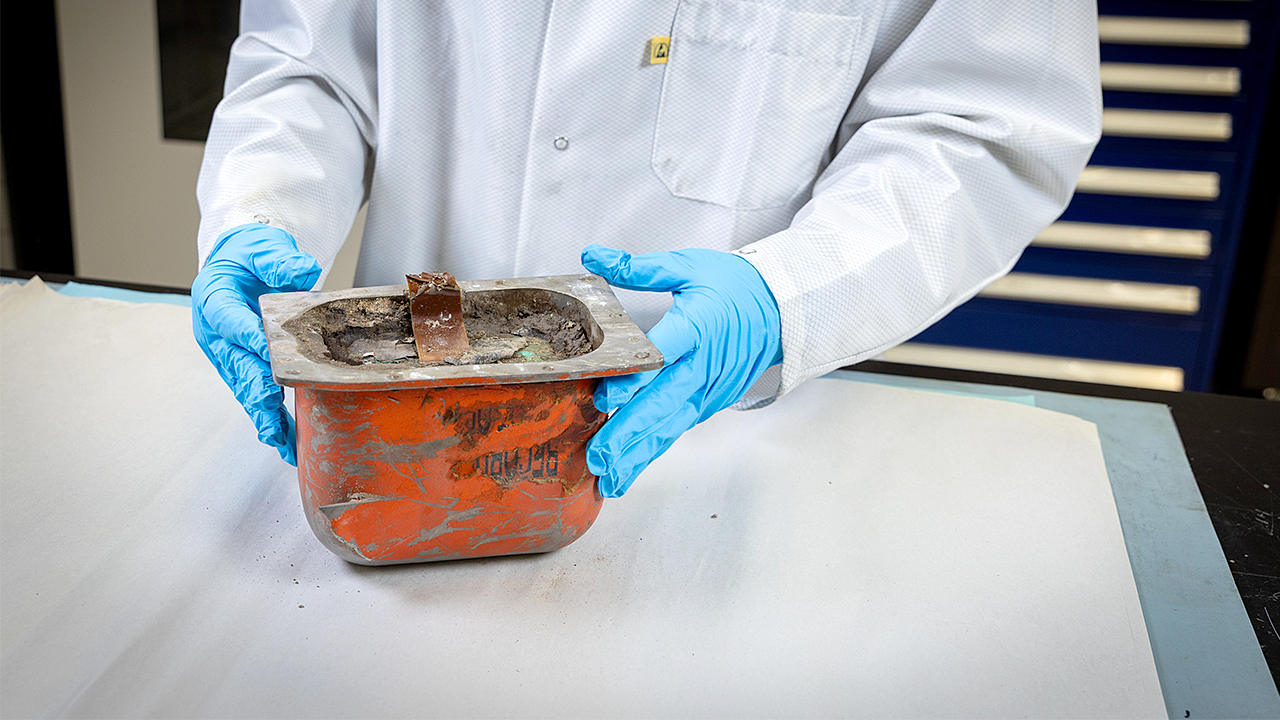
NTSB Recovers Cockpit Voice Recorder From Learjet 60 Crash in Florida
The National Transportation Safety Board announced on Monday that it recovered the cockpit voice recorder from the Learjet...