
Britain’s automotive sector faces a mounting conflict as European Union officials warn that London must impose tariffs on Chinese vehicles or risk restrictive trade barriers on British car exports to the bloc, leaving ministers caught between retaliatory trade risks and the loss of their largest overseas market.
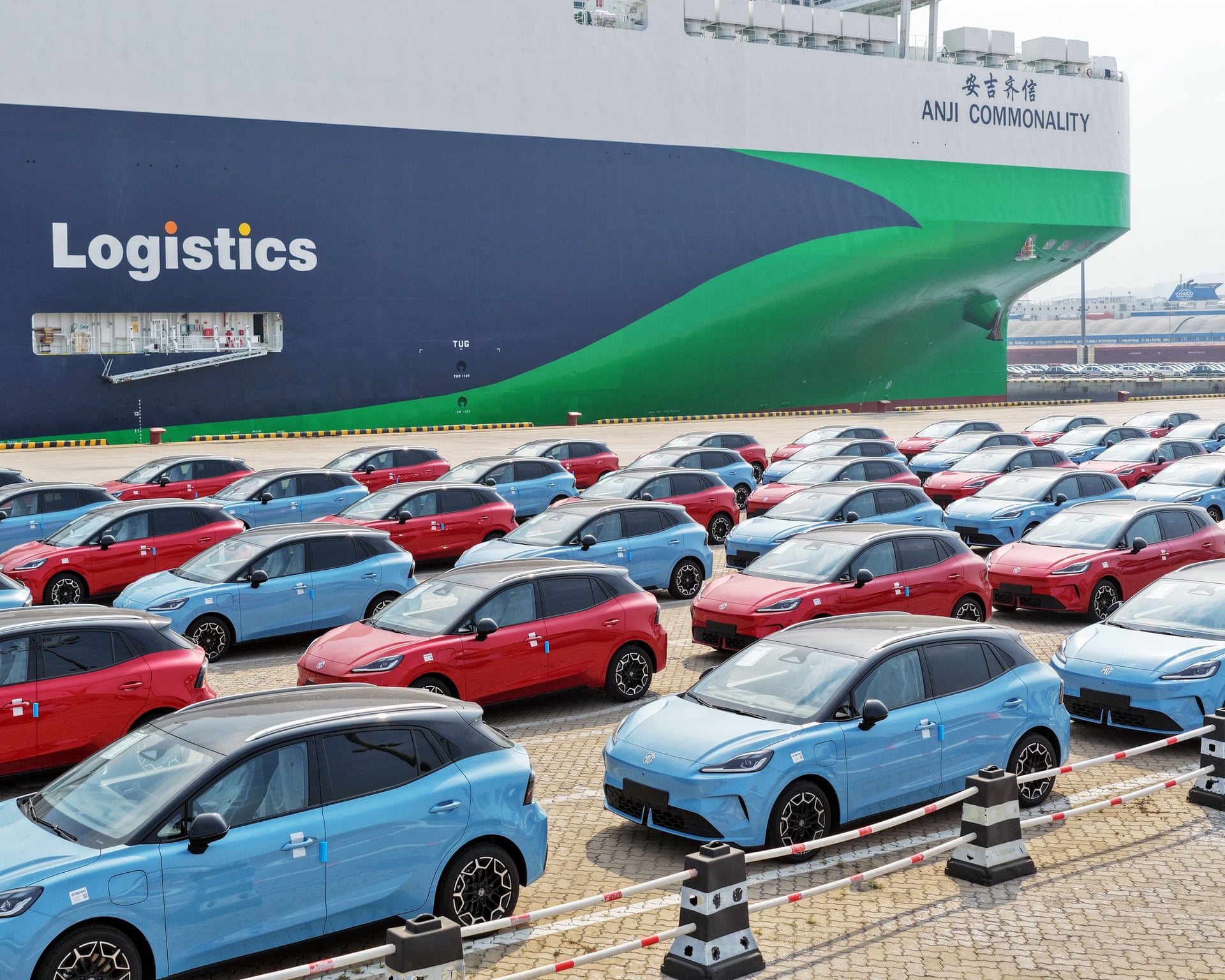
The United Kingdom faces a high-stakes trade dilemma as Brussels pressures Prime Minister Andy Burnham’s administration over vehicle import duties. While the United States has largely locked out Chinese models and the European Union levies duties reaching up to 45% on Chinese electric vehicles, Britain remains an outlier by maintaining zero import taxes on those cars.
That divergence has triggered sharp warnings from European officials. Brussels told London that aligning trade policy and raising tariffs is necessary to prevent protectionist barriers from striking key British exports.
EU Urges UK to Join Customs Union
During discussions last month, European officials indicated that the most effective remedy to prevent British exports from hitting “made in Europe” barriers would be for the UK to join the EU’s customs union. Officials cited concerns that differing tariff structures leave an open backdoor, allowing Chinese manufacturers to bypass European import taxes by routing vehicles through British ports.
European Commission President Ursula von der Leyen used her State of the Union address to stress that the bloc intends to deploy every available tool to address an unsustainable trade deficit with China.
The European Commission’s proposed industrial rules restrict subsidies, tax breaks, and public procurement contracts strictly to vehicles built within the EU. The Society of Motor Manufacturers and Traders warned that these measures pose an existential threat to British manufacturing, given that the European Union absorbed 58% of UK car exports in the first half of the year, compared with roughly 4% destined for China.
Ministers Resist Levies Amid Retaliation Fears and Consumer Demand
UK ministers have pushed back against the pressure. Business Secretary Jonathan Reynolds argued that imposing import duties would probably be reciprocated by Beijing, potentially shutting British manufacturers out of the Chinese market and driving up vehicle prices for domestic drivers who have embraced affordable Chinese models.
“We are an export-orientated sector. So clearly, you shouldn’t do anything that risks your export markets, and you always have to take heed of retaliatory action if you put tariffs in place.”
Jonathan Reynolds, UK business secretary, via Politico
Reynolds maintained that the UK’s position on Chinese EVs remains finely balanced, keeping measures under review while asserting that excluding Britain from European industrial programs benefits neither side. A government spokesperson echoed that sentiment, emphasizing that trade measures are set independently based solely on national economic interests.
Market Growth and Division Inside the British Auto Sector
The domestic debate unfolds against a backdrop of surging sales. Figures from the Society of Motor Manufacturers and Traders showed that British new car registrations rose 12% in the year to September, marking the strongest annual growth month since 2017. That expansion was fueled by electric vehicles and Chinese brands, with models like the Jaecoo 7 and BYD Sealion 7 capturing significant market share.
Autotrader commercial director Ian Plummer noted that competition from Chinese brands has made cars more affordable and encouraged more buyers into the market. Industry figures show that brands including BYD, Omoda, and Jaecoo more than tripled their collective market share during the first eight months of the year, reaching 12% of total sales.
- Emily Sawicz of consultancy RSM UK noted that the country cannot afford to drift between the two markets indefinitely, warning that exclusion from European opportunities threatens smaller suppliers.
- Tim Tozer, a former chair of Vauxhall, argued that tariffs are vital to stop the domestic car sector from atrophying, suggesting that government hopes of maintaining large-scale exports to China ignore a fiercely nationalistic market.
- Victor Zhang, Chery’s deputy UK head, dismissed the Trojan horse narrative, stating that most sold models are super-hybrids rather than vehicles targeted by tariffs, and affirming that ongoing investment in a proposed manufacturing setup at Nissan’s Sunderland plant will proceed regardless of duty decisions.
Related reading

Israeli Airstrike Kills Five in Gaza City Apartment Building
An Israeli airstrike destroyed an apartment building in western Gaza City early Saturday, killing at least five Palestinians,...

Latvia Records Lowest Voter Turnout in Parliamentary History
Latvia recorded the lowest voter turnout in parliamentary history as just 51.6% of registered electors cast ballots in...

174 Passengers Narrowly Escape as Flydubai Co-Pilot Attacks Captain
A Flydubai co-pilot attacked his captain with a crash axe and attempted to down a Tel Aviv-bound flight...

Ethiopian Forces Recapture Alula Aba Nega Airport as TPLF Flees Mekelle
Ethiopian military and pro-government forces have recaptured Alula Aba Nega Airport in Mekelle, driving Tigray People’s Liberation Front...