
Cornwall Insight predicts the Ofgem energy price cap will jump 26% to £2,166 a year for a typical dual-fuel household in Great Britain from January 1, adding £443 to the current bill and marking the highest level since 2023.
The forecast, released Wednesday, lands days before Ofgem confirms the January-to-March cap on November 25 and coincides with Office for National Statistics data showing headline inflation edged up to 3.6% in October from 3.5% in September, the fourth consecutive monthly rise.
“After already climbing in October, energy bills look set to rise again in the new year, and the timing could hardly be worse, with colder weather in January pushing up energy use and households already dealing with the cost of living,” Craig Lowrey, the retail markets principal at Cornwall Insight, told The Guardian.
Today is our #FuelPovertyAwarenessDay and Cornwall Insight have just estimated that energy bills will rise by 26% in January. This means that a typical household would pay £2,166 a year. Our Chief Executive Adam Scorer says, 'We need to be clear what this means. pic.twitter.com/1FlHY83Tk2
More than 90% of the increase is driven by soaring wholesale gas prices, which have surged since the outbreak of the US-Israeli war on Iran. EDF director Josh Buckland warned the January outlook would “probably be worse than 2022”, when Russia’s invasion of Ukraine triggered the energy crisis, and forecast the cap would climb further to £2,270 in April and remain above £2,000 throughout 2027, The Times and Daily Express reported.
Standing charges and unit rates underpin the rise. Cornwall Insight’s model assumes a typical annual consumption of 2,500 kWh electricity and 9,500 kWh gas, yielding a £1,017.09 electricity bill (32.54p/kWh unit rate, 0.56p/day standing charge) and a £1,148.80 gas bill (10.90p/kWh, 0.31p/day), The Sun reported.

The Bottom Line
- Price cap forecast: £2,166 from Jan 1, up 26% (£443) from the level between October and December.
- Primary driver: Wholesale gas costs account for over 90% of the increase.
- Policy offset: Government measures — £100 one-off payment for 20m households in council tax bands A to D, 5% electricity VAT cut until July, and scrapped gas standing charge — blunt but do not erase the hit.
Wholesale Gas Dependency Remains the Structural Fault Line
The forecast exposes the same vulnerability: Britain is paying the price for relying too heavily on volatile international gas markets. Since January 2021, prices and wages have each risen by around a third, but the typical energy bill has more than doubled, Simon Francis, Coordinator of the End Fuel Poverty Coalition, told Energy Live News.
“This is the clearest sign yet that the only lasting way to protect people in the long-term is to get our homes off gas for good,” he said.
Campaigners argue the government’s long-term fix — expanding domestic renewables and new nuclear — is necessary but too slow for the immediate winter.
Mike Childs, Head of Science, Policy and Research at Friends of the Earth, told Energy Live News: “The only people who will be celebrating today’s news are the fossil fuel giants, who are laughing all the way to the bank. The government must urgently speed up the development of cheap, homegrown renewables which will also strengthen our energy security and create jobs.”
Energy bills are set to rise by 26% from January, according to our final price cap forecast, the biggest increase in four years. That would take a typical household’s annual bill to £2,166, up £443, with the conflict in the Middle East continuing to disrupt gas exports and… pic.twitter.com/DvAeACkjmo
Fixed Deals Offer a Narrow Window to Lock in Lower Rates
Households on standard tariffs still have time to get a fixed deal to avoid higher energy rates from January 1. Uswitch.com and The Sun highlighted an 18-month tariff from Fuse Energy at £1,759.35 a year for a typical home, which is £406.65 below the predicted January forecast, alongside a 16-month fix from Fuse for £1778.77 a year and a 12-month fix from EDF at £1902.72.
Cornwall Insight’s Lowrey cautioned that fixed deals carry their own risk if wholesale prices fall sharply, but the current spread makes them “worth serious consideration” for budget certainty.
Government Response: Targeted Relief, Structural Reform Debated
Energy Secretary Miatta Fahnbulleh said the government had taken “immediate action” including the £100 one-off payment in January for 20 million households in council tax bands A to D, the temporary 5% VAT removal on electricity until July, and the abolition of the gas standing charge in England, Scotland and Wales, The Guardian and Yorkshire Post reported.
The Warm Homes Loan Scheme, with lenders such as Selina Finance offering up to £15,000 for solar panels, up to £15,000 for battery storage and up to £20,000 for air-to-water heat pumps, aims to cut demand long-term, FF News reported.
We're activating the Market Stabilisation Charge as a temporary safeguard this winter to help maintain a stable, investible energy market. Consumers can still switch and save: https://t.co/OL4v7gwhaD pic.twitter.com/hbH5Ken6wf
Critics note the Autumn Budget cut the Boiler Upgrade Scheme, reducing heat-pump grants. Chris Jaccarini, Senior Economist at the Energy and Climate Intelligence Unit, told Energy Live News: “It’s hard then to see the logic in the Government’s recent removal, or potential weakening of, policies that help households take control of their energy costs by moving away from oil and gas.”
Sam Richards, CEO of campaign group Britain Remade, urged local pricing zones to reflect cheaper generation near renewable assets: “Britain has the resources to produce cheap, secure energy domestically. What’s missing is a planning system that allows us to build fast.”
Inflation and Rate Outlook Complicate the Picture
The 3.6% CPI reading, driven partly by rising petrol prices and diesel hitting a record high, pushes inflation further from the Bank of England’s 2% target.
Markets now price a peak near 5% next year, AJ Bell head of markets Dan Coatsworth told the Yorkshire Post, creating a squeeze for mortgage borrowers coming off fixed rates while benefiting cash savers and annuity buyers. Higher-for-longer rates also raise the cost of capital for the green infrastructure investment the government says is the ultimate answer to gas dependence.
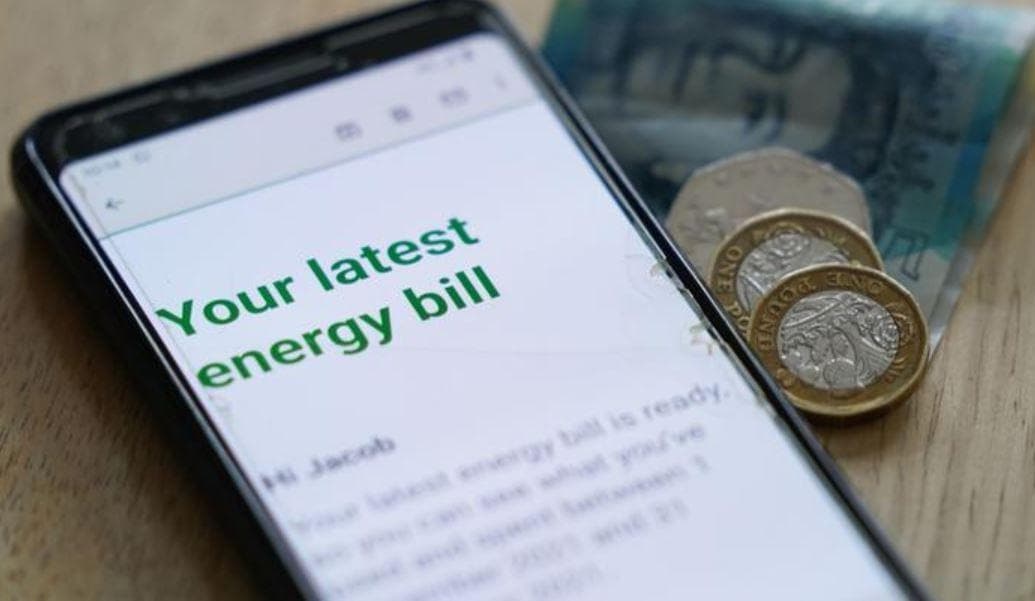
Ofgem will announce the official quarterly price cap level for January to March on November 25.
Disclaimer: The information provided in this article is for educational and market analysis purposes only and does not constitute financial, investment, or legal advice. Always consult with a certified financial professional before making investment decisions.
Struggling with your energy bill? Act early to get help sooner. Take these 3 steps to take back control 👇 pic.twitter.com/ulcFiefMOb
Keep reading

California DMV Bans Waymo Driverless Freeway Rides Over Safety Hazard
Waymo has officially halted all driverless taxi operations on freeways, a move triggered by an immediate ban from...

Silverfield Keeps Arkansas Unified in Upset Over No. 17 South Carolina
Arkansas head coach Silverfield has managed a challenging 2026 season by keeping his locker room unified despite a...

Guardians’ Francisca MVP of 2026 All-AFL Team; Nine Hitters Post 1.000+ OPS
Major League Baseball unveiled the 2026 All-Arizona Fall League Team on Wednesday, headlined by nine qualified hitters who...

Huntsville Fire Department Returns to Door-to-Door Collection for 38th Project Porchlight Food Drive
Huntsville firefighters are returning to their traditional door-to-door collection method for the 38th annual Project Porchlight food drive...