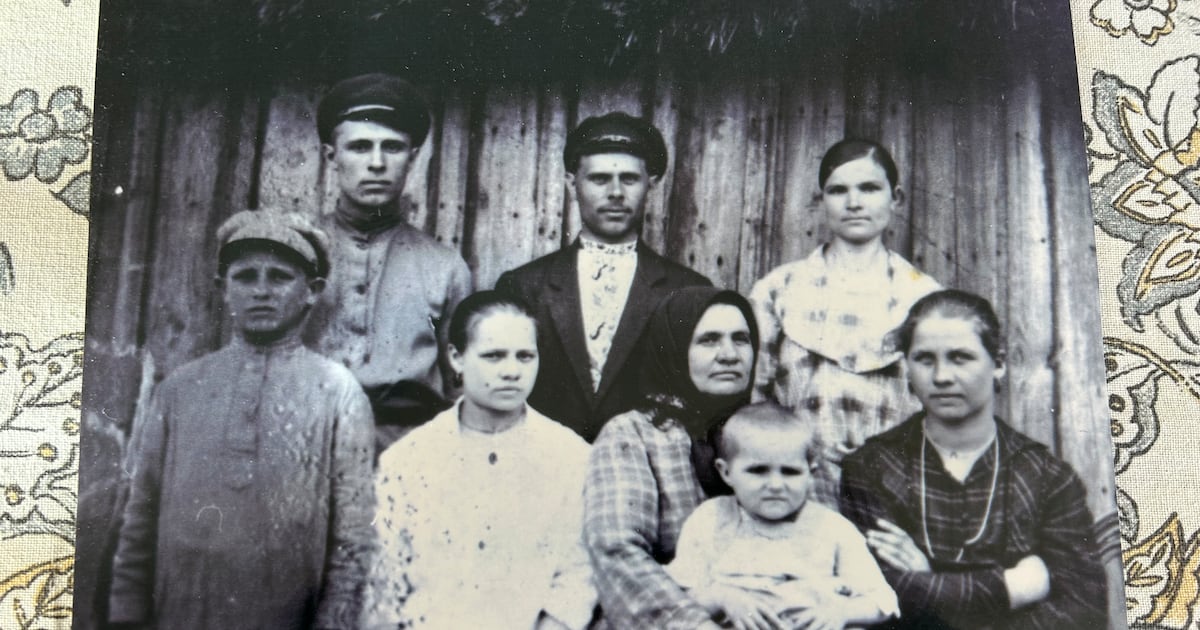
Ukrainians marked the 93rd anniversary of the Holodomor this Saturday with candlelight vigils, religious services and newly declassified archives that trace the famine’s deliberate engineering to the Kremlin.
Commemorations unfolded across Ukraine and in diaspora communities from Winnipeg to New York on the fourth Saturday of November, the official day of remembrance established by presidential decree. At 4:00 p.m. local time, a nationwide minute of silence was observed and candles were lit on windowsills and at memorials.
The ritual has taken on fresh urgency as Russia’s full-scale invasion enters its fifth year.
Today we honor the memory of the millions of Ukrainians whose lives were taken by the Holodomors. The totalitarian Moscow regime tried to destroy the Ukrainian people at a time when they had neither a state of their own nor weapons. The empire's goal has not changed: to wipe… pic.twitter.com/3P0rHQJag5
- Ukraine and 32 countries now recognize the 1932–1933 famine as genocide against the Ukrainian people.
- Declassified OUN protest documents and Interior Ministry archives were released this week showing how the famine was organized and dissent suppressed.
- Survivors’ descendants in Canada and the U.S. drew direct parallels between Stalin’s policies and Russia’s current wartime tactics.
- Religious leaders of every major faith in Ukraine participated in a joint procession from Kyiv-Pechersk Lavra to the National Museum of the Holodomor-Genocide.
New Archival Evidence Made Public
Ukraine’s Foreign Intelligence Service and the Ministry of Internal Affairs unveiled declassified files on Friday documenting the Organization of Ukrainian Nationalists’ 1933 protest campaign to alert the world to the famine.
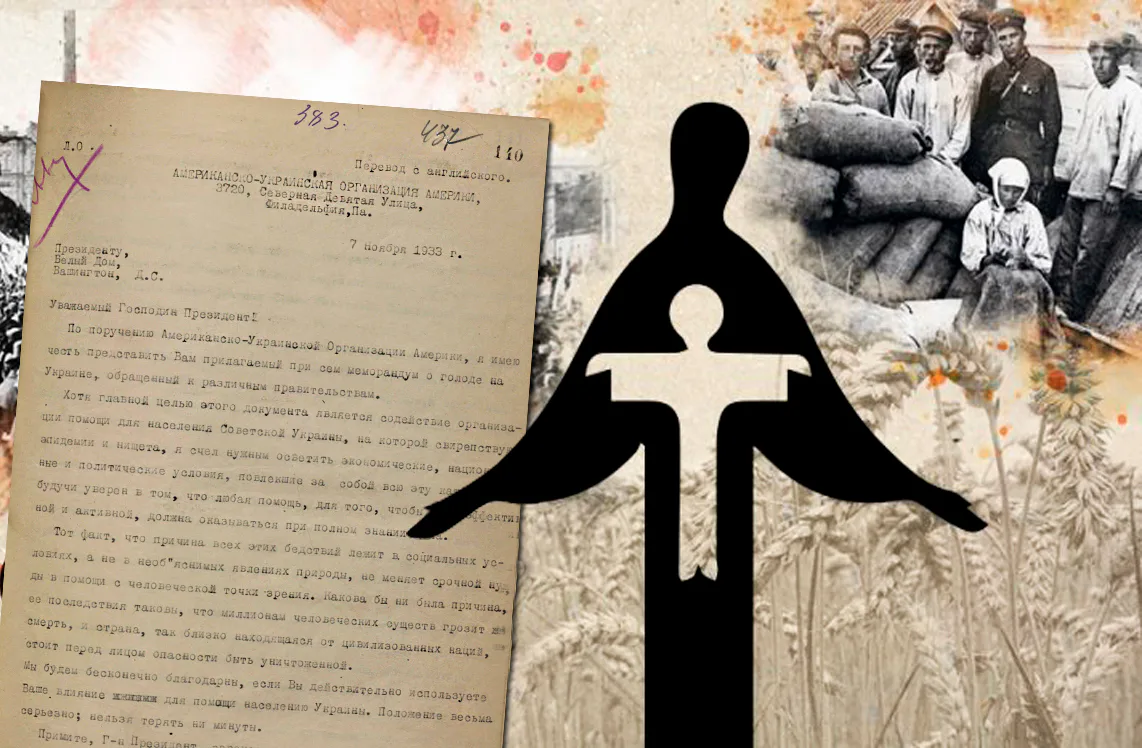
The records include memoranda sent to governments worldwide — one from the American-Ukrainian organization in Philadelphia directly to President Franklin Roosevelt — and operational details of an OUN plan to assassinate Soviet Foreign Commissar Maxim Litvinov during his November 1933 visit to Washington to establish U.S.–USSR diplomatic relations.
Interior Ministry archives also reveal how Soviet authorities punished peasants for attempting to save grain, blocked movement from starving regions, and enforced grain quotas that historian Olga Andriewsky notes rose to 35–40% of all Soviet collections in 1932, up from 20–25% the previous year. The USSR still exported 1.7 million tons of grain in 1933 while mortality peaked that spring and summer.
Remembering is painful. To forgive is impossible. And there are simply no words that could ever capture the tragedy of the pain and tribulation Ukrainians were forced to endure: first, in 1921, 1922, and 1923. Then, in the darkest years of all, 1932–1933, during the Holodomor… pic.twitter.com/wac3QzGmyx
The UN Genocide Convention defines the crime as acts “committed with intent to destroy, in whole or in part, a national, ethnical, racial or religious group, as such.” Raphael Lemkin, who coined the term in 1944 after losing 49 relatives in the Holocaust, first encountered the concept as a law student in Lviv watching the 1921 trial of Soghomon Tehlirian in Berlin.
Tehlirian had assassinated Talaat Pasha, architect of the Armenian genocide. Lemkin later described Moscow’s 1932–33 campaign as “the classic example” of genocide.
Light a Сandle of Кemembrance at 16:00 Every year, on the fourth Saturday of November, Ukraine commemorates the victims of the Holodomors. The Holodomor genocide of 1932–1933 and the mass artificial famines of 1921–1923 and 1946–1947 claimed millions of lives. In 2006, a Law of… pic.twitter.com/NvPjjXktxc
Three objections to the genocide designation persist: that the famine was an unintended consequence of collectivization, that Stalin targeted peasants as a class rather than Ukrainians as a nation, and that other Soviet peoples also starved.
Historians and legal scholars counter that the simultaneous imposition of impossible grain quotas, the sealing of Ukraine’s borders, the purge of Ukrainian cultural elites, and the export of grain during peak mortality demonstrate specific intent against the Ukrainian national group. Nearly a quarter of Ukraine’s Communist Party members were purged in 1933 alone.
Commemorations Across Borders
At St. Patrick’s Cathedral in New York on November 21, Ukrainian American children carried sheaves of wheat, loaves of bread and candles in a procession led by the Ukrainian Chorus Dumka and Ukrainian American Veterans.
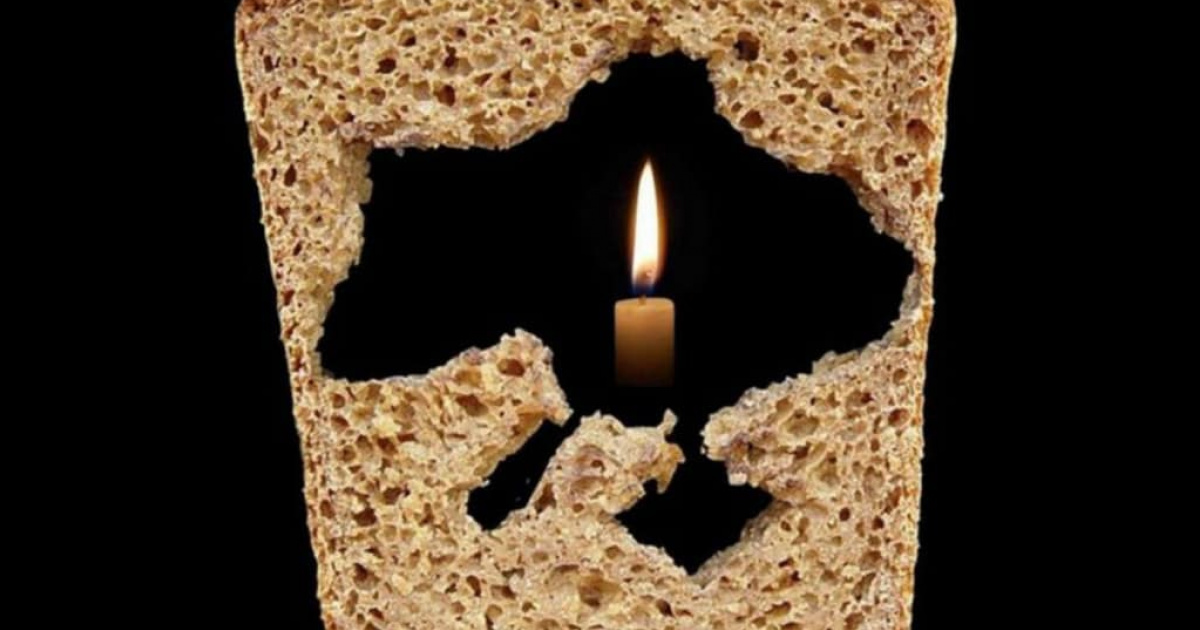
“Ninety-three years ago, in the most fertile soil of Europe, millions of Ukrainians were starved to death,” said event organizer Mr. Sienik. “Not by drought. Not by a failed harvest.” Nobel Peace Prize laureate Oleksandra Matviichuk, head of the Center for Civil Liberties, delivered personal testimony linking past and present.
In Kyiv, the Ukrainian Council of Churches and Religious Organizations held a joint prayer service at the Dormition Cathedral of the Kyiv-Pechersk Lavra attended by Metropolitan Epiphaniy of the Orthodox Church of Ukraine, Major Archbishop Sviatoslav Shevchuk of the Ukrainian Greek Catholic Church, Bishop Vitalii Kryvytskyi of the Roman Catholic Church, Muslim leaders including Grand Mufti of Ukraine Sheikh Akhmed Tamim and Grand Mufti of Crimea Aider Rustemov, and representatives of Baptist, Armenian Apostolic, Pentecostal and Bible Society communities.
Today, Ukraine honours the memory of millions of Ukrainians starved to death by the Soviet totalitarian regime during the Holodomors. Nearly a century ago, it was the Kremlin that stood behind these horrific crimes against the Ukrainian people. Today, it is the Kremlin again.… pic.twitter.com/ESYzYZAH6x
The procession continued to the National Museum of the Holodomor-Genocide, where wreaths and wheat-ear arrangements were laid at the “Bitter Memory of Childhood” monument.
Demographic Studies Cite Millions of Direct Losses
Demographic studies cite at least 4.5 million direct losses within the Ukrainian SSR, with broader estimates ranging from 7 to 10 million when accounting for birth deficits and Ukrainian territories outside the republic. Almost half of those who died were children and teenagers. The 1921–1923 and 1946–1947 famines are also commemorated on this day, though historians distinguish them as mass man-made famines driven by requisitioning and postwar plunder rather than the targeted genocide of 1932–33.
Ukraine’s international broadcasters — Dim, FREEDOM, and UATV — aired special programming in nine languages throughout Saturday, including a documentary tracing the “formula” of Stalin’s genocide through the photographs of Austrian engineer Alexander Wienerberger, who smuggled images of starving Kharkiv residents abroad in 1933, and a dramatization of Gareth Jones’s 1933 reporting journey.
Journalists drew explicit parallels to the Russian-occupied city of Oleshky, where civilians face critical shortages of food, medicine and heating with escape routes blocked by Russian troops.
Religious Leaders Hold Prayer Service at Kyiv-Pechersk Lavra
On 28 November 2026, the Ukrainian Council of Churches and Religious Organizations held a prayer service at the Dormition Cathedral of the Kyiv-Pechersk Lavra attended by Metropolitan Epiphaniy, Major Archbishop Sviatoslav Shevchuk, Bishop Vitalii Kryvytskyi, Grand Mufti of Ukraine Sheikh Akhmed Tamim, Grand Mufti of Crimea Aider Rustemov, and representatives of Baptist, Armenian Apostolic, Pentecostal and Bible Society communities.
Following the service, participants processed to the National Museum of the Holodomor-Genocide and laid wreaths and symbolic wheat-ear arrangements at the Bitter Memory of Childhood monument. The day is observed annually on the fourth Saturday of November with a nationwide minute of silence and the Light a Candle of Remembrance campaign, ВРЦіРО notes.
Ukraine’s chargé d’affaires Denys Sienik highlighted the symbolism of the children’s procession, and Nobel Peace Prize laureate Oleksandra Matviichuk testified that her grandmother’s survival made her own life possible, Source 4 adds. Family members of the late Nadia Severyn, described as one of the last Holodomor survivors in the New York area, also took part, Source 4 notes.
Broadcasters Air Documentaries Linking Past and Present
Ukraine’s international channels Dim, FREEDOM, and UATV aired special programming in nine languages on Saturday, Source 9 reports. A lit candle, the symbol of remembrance, was broadcast on all channels throughout the day, Source 9 adds. The schedule included a documentary tracing the formula of Stalin’s genocide through the photographs of Austrian engineer Alexander Wienerberger, who smuggled images of starving Kharkiv residents abroad in 1933, Source 9 notes.
The channel Дім also aired “The Guide”, a feature drama by Oles Sanin following an American boy and a blind Ukrainian musician traveling across Soviet Ukraine on the eve of and during the Holodomor, Source 9 reports.
UATV will air themed editions of “Writing History”, an investigative documentary by journalist Danylo Mokryk and The Kyiv Independent titled “Destroy, in Whole or in Part,” which examines whether Russia is committing genocide against Ukrainians, as well as the documentary “Family Album,” Source 9 reports.
Drawing on the case of the temporarily occupied city of Oleshky, journalists will demonstrate how Russia is once again turning a humanitarian catastrophe into a weapon by denying civilians food, water, heating, and medicine, Source 9 adds.
Keep reading

Iran Denies Drone Strike, Calls Allegations a Cover for War
The incident is suspicious and looks like a precooked recipe for war, Iranian Foreign Minister Abbas Araghchi wrote...

Iran Used Starlink to Attack US, Report Says
Iran used Elon Musk’s Starlink satellite service to help wage attacks against the United States during the early...
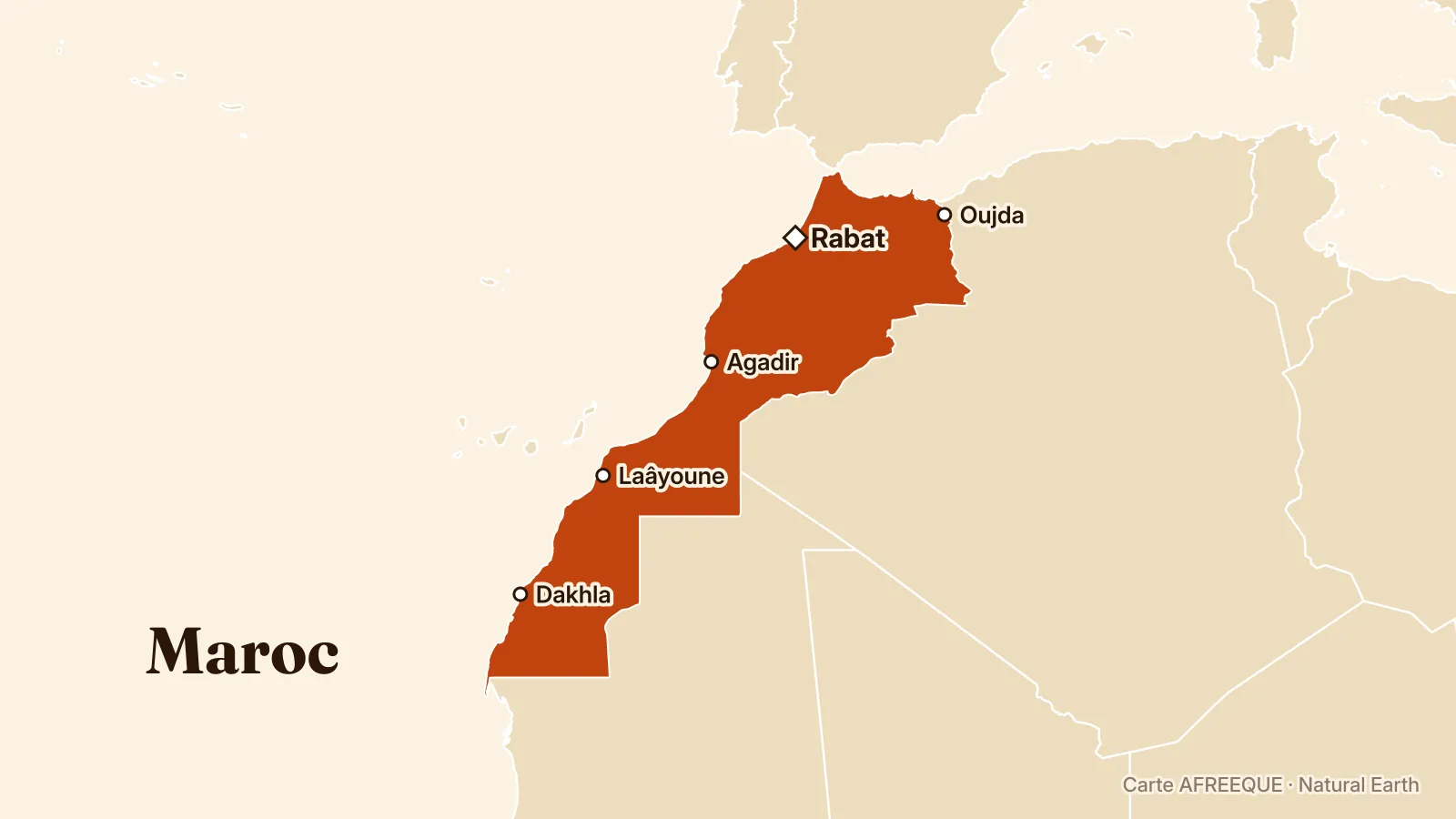
Burundi Backs Morocco’s Plan for Western Sahara Autonomy
Burundi reaffirmed its backing for Morocco’s territorial integrity and autonomy plan for Western Sahara on Thursday, 26 November...

US Military Repels Suspected Drones at RAF Lakenheath
Suspected Iranian drones swarmed RAF Lakenheath, prompting a shelter-in-place alert for U.S. personnel. The U.S.