
United Nations talks in Geneva ended Saturday with 128 countries agreeing to spend two more years discussing rules for lethal autonomous weapons.
They stopped short of the binding treaty a majority of states and the Red Cross said was urgently needed.
The outcome, reached in the early hours of November 21 at the Seventh Review Conference of the Convention on Certain Conventional Weapons, commits states to “elaborate” and “negotiate” an international instrument by 2028. It leaves open whether any resulting document will carry legal force.
Red Cross warns window is closing
The International Committee of the Red Cross, guardian of the Geneva Conventions, said it regretted the outcome. It repeated its call for a binding accord.
ICRC legal adviser Georgia Hinds warned that autonomous weapons cannot reliably distinguish between a combatant who is still fighting, one who is wounded, or one attempting to surrender.
Major military powers block stronger mandate
An Ireland-led coalition of 50 countries — including Italy, Brazil, Mexico, France and Germany — had pushed for a strict, time-limited negotiating mandate to produce a legally binding protocol. The United States, Russia and Israel opposed binding restrictions, according to multiple accounts from the conference.
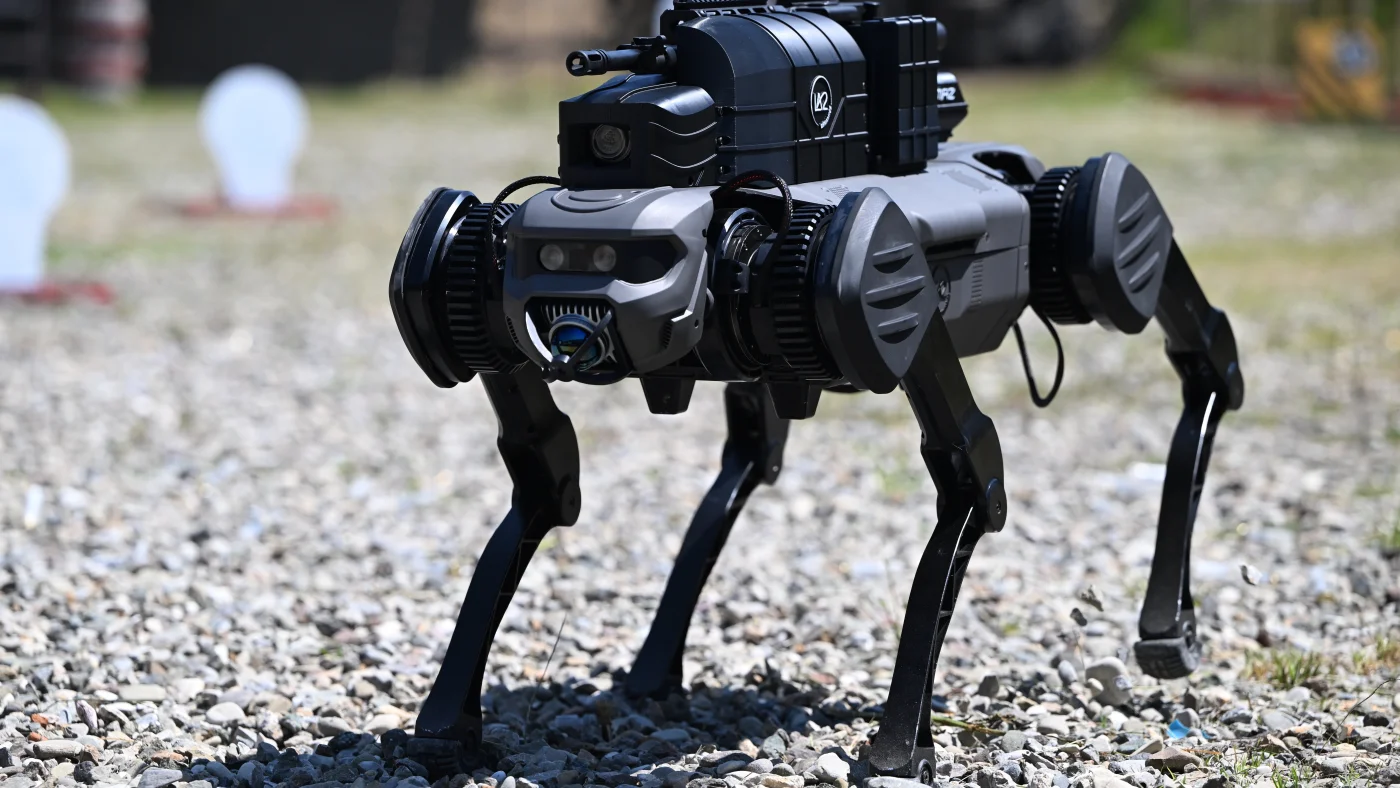
Russia delayed proceedings on the first day by objecting to the meeting’s agenda. The United States countered with a proposal for a five-year window limited to nonbinding, optional guidelines, a position humanitarian groups condemned. China was the only major military power to express willingness to move toward a legally binding protocol.
Diplomats are very slow.
Ambassador Frederico Meyer of Brazil
Consensus rule lets a minority set the pace
The Convention on Certain Conventional Weapons operates by consensus. That means any single country can block an agreement. This dynamic produced a ban on blinding lasers in 1995, but has repeatedly stalled progress on autonomous weapons. “There was no political will to really regulate these weapons. No will commensurate to the urgency and need,” a European diplomat told reporters after the talks closed.
Swiss diplomat Julien Thoeni, who chaired the conference, framed the compromise positively. He said the commitment to continue discussions despite severe geopolitical tension showed that “multilateral diplomacy can still deliver” results.
Weapons already in use on battlefields
The delay comes as autonomous systems are already appearing in active conflicts. In July, a Russian drone guided by an AI system killed three civilians in Zaporizhzhia, Ukraine. The drone crashed into a wall instead of hitting its intended target, a petrol station.
In Gaza, Israel has used AI-assisted targeting methods to fill its target banks far faster than humanly possible since the war began. Anna Hehir, head of military AI governance at the Future of Life Institute, warned that such systems are accessible to a far wider range of actors than nuclear weapons. “We're likely to see the systems proliferate,” Hehir said.
U.N. consensus rules let one delegation block agreements
The problem for states meeting in Geneva is that U.N. consensus rules allow a single delegation to block any agreement. Major military powers have repeatedly used that ability to prevent binding restrictions on autonomous weapons.
Paul Lushenko, a senior fellow at the Cornell University Tech Policy Institute and a retiring U.S. Army officer, said leaders fear losing competitive advantage. “whoever wins the AI race will dominate the world,” Paul Lushenko, a senior fellow at the Cornell University Tech Policy Institute and a retiring U.S. Army officer, said.
He described the position as genuinely challenging because powers worry that if they follow regulations, their competitors will not.

Ireland-led proposal set tighter timetable and legal force
The Ireland-led coalition of 50 states proposed a specific timetable and a legally binding result. This differed from the alternative on both the time allowed and whether the rules would carry legal force. The United Kingdom did not support the Irish statement, having previously argued that existing international humanitarian law is sufficient to regulate these weapons.
Brazil’s delegate told the floor that the weapons under discussion are already in use and still being developed.
Activists condemn watered-down mandate as delay
Stop Killer Robots lamented a watered-down mandate. Beatrice Fihn, founder of Lex International, said the decision amounted to pushing the can down the road for two more years. They said that most countries supported work toward a new treaty. Nicole van Rooijen, the group’s executive director, said delaying a legally binding instrument puts civilians and humanity at risk.
Bonnie Docherty, senior arms adviser to Human Rights Watch and lecturer at Harvard Law School, said the agreement creates a platform for discussion that leaves room for reaching a protocol. A European diplomat summed up the week by saying there was no political will to really regulate these weapons, and no will commensurate to the urgency and need.
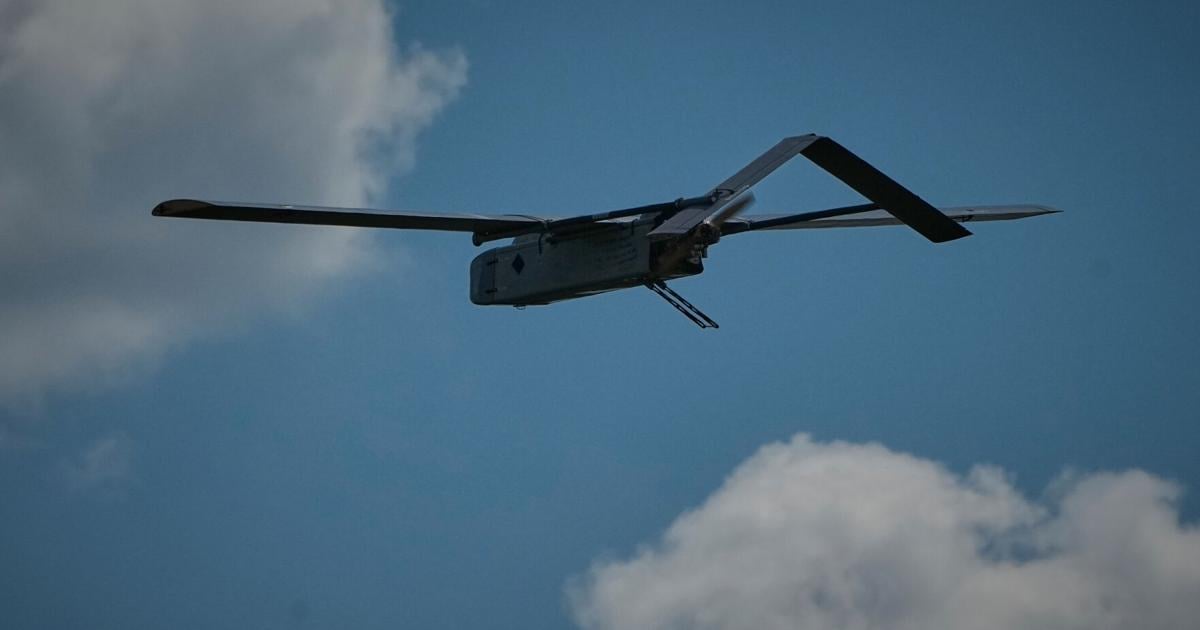
Autonomous weapons easily acquired by individuals
Anna Hehir, an expert in military AI governance at the Future of Life Institute, said autonomous weapons are easy to purchase or even create for individuals, nonstate actors and criminal groups. She said proliferation of the systems is likely.
Holy See calls for moratorium
The Holy See submitted a position paper to the conference calling for a moratorium on lethal autonomous weapons and a legally binding international framework. The paper argues that decisions over life and death must remain in human hands. Responsibility cannot be transferred to “the machine.”
The International Committee of the Red Cross, as guardian of the Geneva Conventions, holds a mandate granted by state parties to promote and ensure respect for international humanitarian law. However, the ICRC lacks enforcement powers because its mandate is rooted in persuasion and advocacy, not legal coercion, reflecting the consensus-based nature of international law where no single entity can compel states to act.
The 128 parties will now enter a two-year process due to report by 2028. There is no guarantee the instrument they produce will have the force of law.
Taiwanese Comedian Huang Yi-hao Draws Sellout Crowds in Taipei
Taiwanese comedian Huang Yi-hao is playing to full houses at Taipei's Two Three Comedy Club weeks after prosecutors...

NYT: American Mahjong Eclipses Chinese Origins, Sparking Cultural Friction
The rising popularity of American mahjong has sparked cultural friction as the game—which features distinct rules and tiles—increasingly...

Trump, Xi, and Putin Held Trilateral Talks in Shenzhen on Thursday
Donald Trump, Xi Jinping, and Vladimir Putin held historic trilateral talks in Shenzhen, China, on the sidelines of...

“But right now, I would do it again, even tomorrow,” said Ismael Ox, the Para-taekwondo athlete
But right now, I would do it again, even tomorrow, said Ismael Ox, the Para-taekwondo athlete who lost...