
The Calculated Risk of Declining Taylor Swift
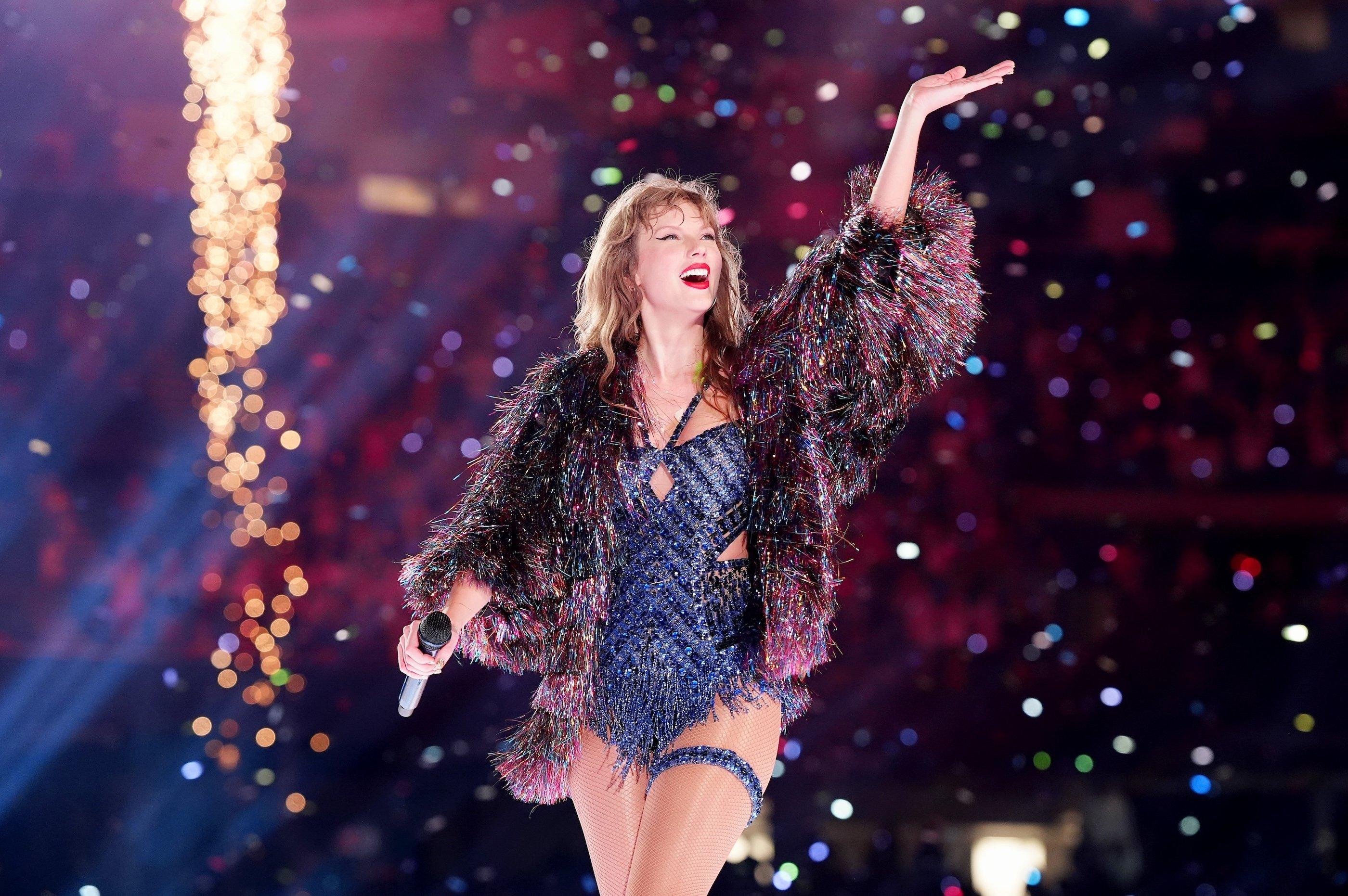
Marc Kinchen, the Detroit-born DJ and producer known globally as MK, has confirmed that he turned down an opportunity to remix a track for Taylor Swift. The revelation, reported by RTE.ie, highlights a distinct shift in how veteran dance music artists navigate the intersection of underground credibility and pop-star-level commercial reach. For a producer whose career spans from the foundational days of nineties house music to the modern festival circuit, the decision was less about the artist and more about the evolution of the dance music industry itself.
Kinchen, 54, explained that while he might have jumped at a high-profile pop collaboration during his earlier career, the current landscape of the music industry has fundamentally changed the value proposition of such remixes. “I said no to a Taylor Swift remix,” Kinchen told RTE.ie. “When you’re doing dance remixes, you don’t want to make the wrong turn and have some diehards who are into the underground dance music scene, stuff that is so anti-pop music, moan about it.”
The Decline of the Bonus Track Remix
The remix culture of the nineties—a period when a bonus dance track on a CD single served as a primary marketing vehicle—has been supplanted by a fragmented, streaming-first environment. According to industry metrics, the consumption of music has moved toward playlist-driven discovery rather than the physical single format that once necessitated the “name DJ” remix. Kinchen noted that the exclusivity of such projects has eroded, stating, “Remixing a big pop artist has been done and now it’s easily done.”

“In my younger days I would have jumped at doing a remix for Taylor Swift but I just thought it wasn’t the right career move to take Taylor Swift, the ultimate pop artist, and try to make a cool dance record with one of her songs. It just didn’t feel right, it just didn’t feel right.” — Marc Kinchen
This sentiment reflects a broader tension in the electronic music space: the struggle to maintain brand equity in an era where “bedroom producers” can release unofficial remixes on Soundcloud without the formal oversight of an artist’s label or management. While major pop stars continue to dominate the Billboard charts, the cultural cachet of a “big name” dance remix has shifted from a status symbol to a commodity that risks alienating the core audience of an underground veteran.
The Transition to In The Night Again
Kinchen is currently focused on the release of his album In The Night Again, which he describes as a combination of a greatest hits collection and a repository for tracks that were sidelined during the industry’s transition from physical sales to streaming dominance. The project includes tracks like “17” and “Piece of Me,” which were originally intended for earlier releases. Kinchen admits that the unpredictability of how albums would perform during the rapid adoption of platforms like Spotify and Apple Music caused him to delay the collection.
The album also serves as a testament to his ongoing collaborations with emerging talent, including Dublin-based artist Jazzy. Kinchen has been a frequent collaborator with the Crumlin-born singer, whose own debut, Peace and Patience, has solidified her position in the dance-pop hierarchy. Reflecting on the next generation of artists, Kinchen observed, “She’s young so she’s probably in one of the best positions she can be as an artist. Everyone respects her and she did something with Calvin Harris last year. You can’t get any bigger than that.”
A Sustainable Approach to the Festival Circuit
Beyond the studio, Kinchen’s approach to his touring schedule has shifted to reflect a more sustainable professional model. Having played major global stages including Coachella, Glastonbury, Tomorrowland, and Creamfields, he has moved away from the “party animal” persona that characterized his early years. His upcoming schedule includes a return to the Telegraph Building in Belfast next April, following a period of residency at Ushuaïa in Ibiza.
For the consumer, this signifies a change in how electronic acts manage their longevity. Rather than chasing the ephemeral trends dictated by major pop collaborations, veteran producers are increasingly leaning into their established catalog and curated festival residencies to maintain their standing. As Kinchen noted, the role of the DJ at this stage of his career is not to participate in the party, but to curate it.
Disclaimer: The cultural analyses and financial data presented in this article are based on available public records and industry metrics at the time of publication.

3 Zodiac Signs Receive A Sign Of Hope For The Future On Halloween – YourTango
As the industry pivots toward the final fiscal quarter, the intersection of cultural zeitgeist and personal trajectory takes...
Foo Fighters Release Rare Cover of Gerry Rafferty Classic Baker Street
Foo Fighters Surface Gerry Rafferty Cover for Streaming Audiences Foo Fighters have released a cover of Gerry Rafferty's...

Guardian writers revisit non-horror films that left them shellshocked
When Cinema Leaves Us Shaken: Writers Revisit Their Scariest Non-Horror Movies For most filmgoers, genuine cinematic dread is...

Sir Patrick Stewart Dies at 86: Ian McKellen Leads Tributes to Star Trek and X-Men Icon
Ian McKellen Leads Tributes as Sir Patrick Stewart Dies at 86 The cultural landscape of stage and screen...