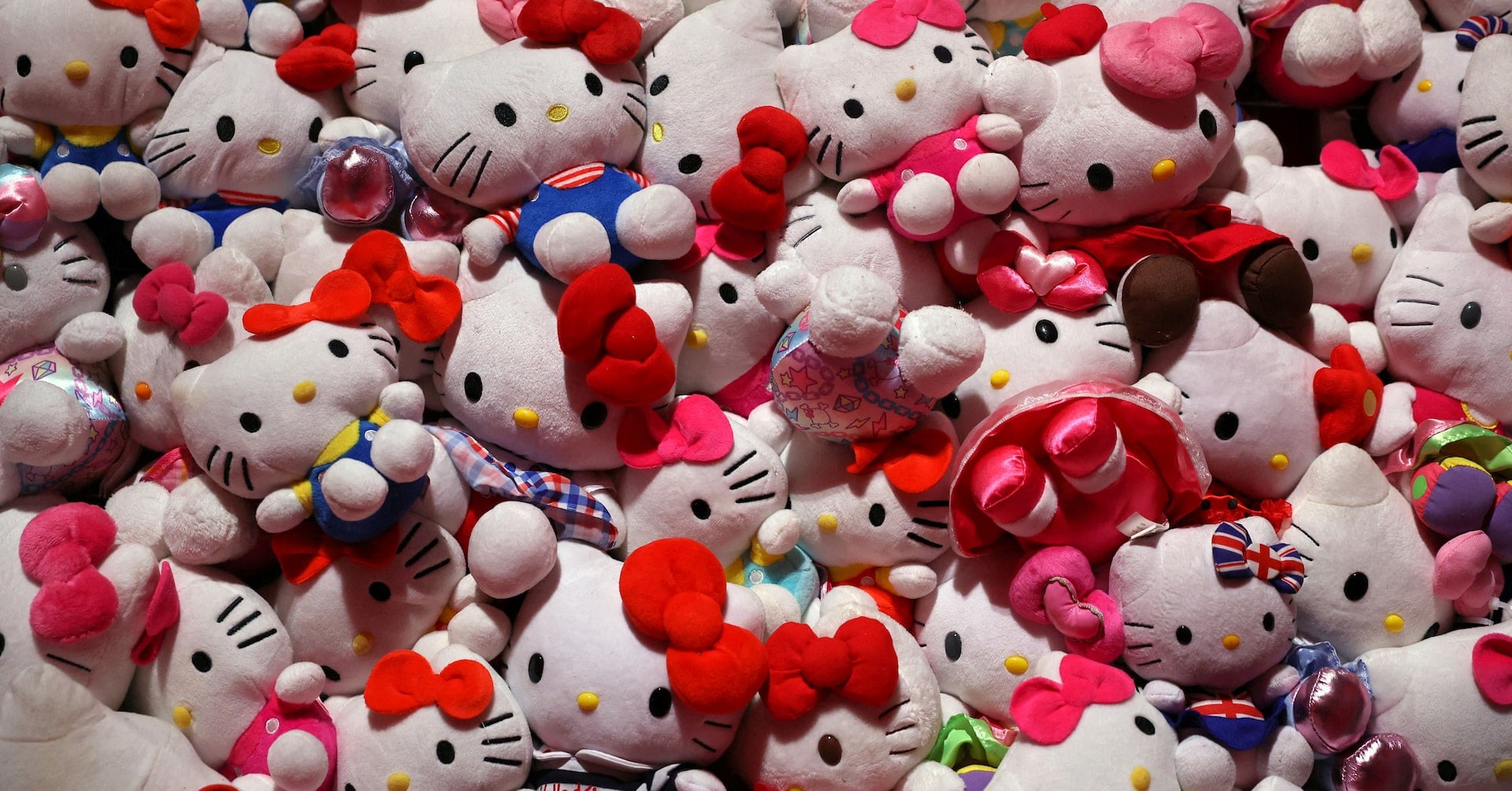
Hello Kitty manufacturer Sanrio has cancelled a merchandising partnership with the Japanese spy thriller Vivant following intense public backlash in China. The controversy arose over the show’s fictional portrayal of Chinese intelligence agents, highlighting the delicate balance foreign brands must maintain in the lucrative market.
The decision by Sanrio’s Chinese subsidiary brings an immediate halt to a range of soft toys featuring globally recognized characters such as Hello Kitty, My Melody, and Cinnamoroll dressed as operatives from the hit television series. The merchandise featured characters dressed in costumes matching those of the show’s fictional spies, drawing heavy criticism across Chinese social media platforms.
The backlash culminated when Chinese state media intensified its condemnation of the collaboration. Commentators specifically targeted Sanrio for associating with content deemed critical of the country.
In an article, the Global Times wrote that Sanrio stands to lose far more than short-term sales by collaborating with anti-China content, adding that the trust and emotional bond it has built up over a long time will also suffer.
Corporate Apology and Immediate Termination of Vivant Partnership
Responding to the mounting pressure, Sanrio’s Chinese subsidiary issued a formal statement announcing the end of the project and all associated promotional activities.
Hello Kitty owner Sanrio axes tie-up with Japanese drama Vivant after China furore https://t.co/CHAu33H8PJ
The company further elaborated on its core values through an additional statement, noting that its characters have traditionally been utilized to foster harmony and connection among people. Leadership committed to implementing stricter review protocols for all future collaborative undertakings.
The television series at the center of the dispute, Vivant, is produced by Japanese broadcaster TBS and available on Netflix. The plot follows Japanese intelligence operatives and a terrorist syndicate known as Tent. A recent season depicts fictional Chinese intelligence personnel capturing and subjecting Japanese agents to brutal interrogation methods.
Broadcaster Position and Wider Diplomatic Tensions
TBS President Masamine Ryuho addressed the controversy during a regular press conference, maintaining that the program is entirely fictional and has no intention of disparaging any specific country,
local media reported. Despite these remarks, the broadcast has drawn scrutiny from high-profile figures, including Sanae Takaichi, who noted earlier this month that she had recorded episodes of the show to view during the upcoming holidays.

The entertainment dispute unfolds against a backdrop of strained bilateral relations between Tokyo and Beijing. Diplomatic ties plunged since Sanae Takaichi late last year said that a hypothetical Chinese attack on democratically ruled Taiwan could trigger a military response from Tokyo. In response, Beijing has restricted tourism, curbed rare earth mineral exports vital for manufacturing, and even reclaimed its pandas.
Commercial Stakes for Japanese Brands in China
Despite the diplomatic friction, Japanese corporations remain heavily dependent on the Chinese consumer base. Sanrio booked sales of 9.8 billion yen ($62 million) in China during the first quarter, representing a nearly 25% increase compared to the previous year.
The incident marks the second high-profile backlash involving a foreign entity in the region within days, following public fallout experienced by French soccer star Kylian Mbappe over remarks concerning late Chinese leader Mao Zedong. Foreign brands have frequently encountered similar consumer resistance in past years, ranging from Dolce & Gabbana’s canceled Shanghai show in 2018 to labor-related controversies faced by retailers like H&M, Nike, and Adidas.
When questioned about the cancellation, a representative for the Chinese foreign ministry stated that the incident should serve as a warning to the international community and discerning people in Japan.
Related reading

Housing Secretary Winnie Ho Resigns Following Deadly Tai Po Fire Inquiry
Hong Kong leader John Lee apologized and announced the resignation of Housing Secretary Winnie Ho following an investigation...

Afghanistan opium production jumps fivefold as farmers find ways round Taliban ban
Afghanistan's opium production multiplied fivefold over the past year following a rebound in cultivation, according to a United...
Cuauhtémoc Cárdenas, Mexican Leftist Leader and PRD Founder, Dies at 92
Cuauhtémoc Cárdenas, founder of the Party of the Democratic Revolution (PRD) and a cornerstone of the Mexican left,...

15 Months Jail for Sydney Teacher Tayla Lee Brailey Over Student Abuse
Former Sydney teacher Tayla Lee Brailey was sentenced to 15 months in prison on October 28, 2026, after...