
- Fall-seeded crops — including fall mint, small grains and canola — must be reported by Dec. 15, 2026.
- Fruit and vegetable deadlines run from Jan. 15, 2027 for apples to Aug. 17, 2027 for late cucumbers in four northern counties.
- Honey acreage is due Jan. 4, 2027; prevented-planting claims require form CCC-576 within 15 days of the final planting date.
- Producers can file electronically using precision-ag boundaries through an approved provider and must notify the local FSA office to use them.
“Farmers and producers make significant investments in their operations every year and maintaining accurate acreage reports is an important part of protecting those investments and accessing USDA’s farm safety net,” said Steve Brown, USDA state executive director in Indiana.
Accurate, timely reports keep producers eligible for disaster assistance, crop insurance and other safety-net programs, the USDA said. Reports must cover all crops and land uses, including failed acreage and prevented-planted acreage, and require crop type, intended use, acreage, maps with approximate boundaries, planting dates, planting patterns, producer shares, irrigation practices and any prevented or failed acres.
Deadlines vary by crop and county. After the Dec. 15 fall-seeded deadline, apples are due Jan. 15, 2027. Cucumbers planted May 1–31, 2026 in Knox County are due June 15, 2027. All other crops and Conservation Reserve Program acreage, including cucumbers planted May 10–June 15, 2026 in other counties, are due July 15, 2027. Cucumbers planted June 16–Aug. 5, 2026 in Fulton, LaPorte, Porter and St. Joseph counties are due Aug. 17, 2027.
Exceptions apply. If a crop has not been planted by its reporting deadline, acreage must be reported within 15 calendar days after planting is completed. If a producer acquires additional acreage after the deadline, it must be reported within 30 calendar days of purchase or lease, with documentation provided to the county office.
Producers with Noninsured Crop Disaster Assistance Program coverage must report NAP-covered crops by the acreage reporting date or 15 calendar days before grazing or harvest begins, whichever is earlier, according to the USDA.
Perennial forage crops may be eligible for continuous certification, which rolls certified acreage forward each year unless a change is made; producers should check with their local FSA office.
Land intended for planting but left unplanted because of natural disaster, including drought — known as prevented-planted acreage — must be reported on form CCC-576, Notice of Loss, no later than 15 calendar days after the final planting date established by FSA and USDA’s Risk Management Agency, the USDA said.
Electronic filing of acreage reports that use precision-agriculture planting boundaries is possible with an approved insurance provider or authorized third-party provider, who then shares the file with FSA staff, the USDA said.
Producers who submit electronic geospatial reports must notify their local FSA office if they want to use them for FSA acreage reporting.
Producers can view, print and label maps for acreage reporting through the farmers.gov customer portal, which requires a Login.gov account linked to a USDA customer record.
Accounts can be created at farmers.gov/account. Those with authority to act on behalf of another customer via FSA-211 Power of Attorney, Business Partner Signature Authority or as a business member can access business information in the portal.
For questions or to book an appointment, use the FSA Office Locator Tool.
Julia A. She encouraged producers to make an appointment with their local FSA office once planting is complete to report acreage and handle any other FSA-related business.
Producers can view, print and label maps for acreage reporting through the farmers.gov customer portal, which requires a Login.gov account linked to a USDA customer record.
Worth a look
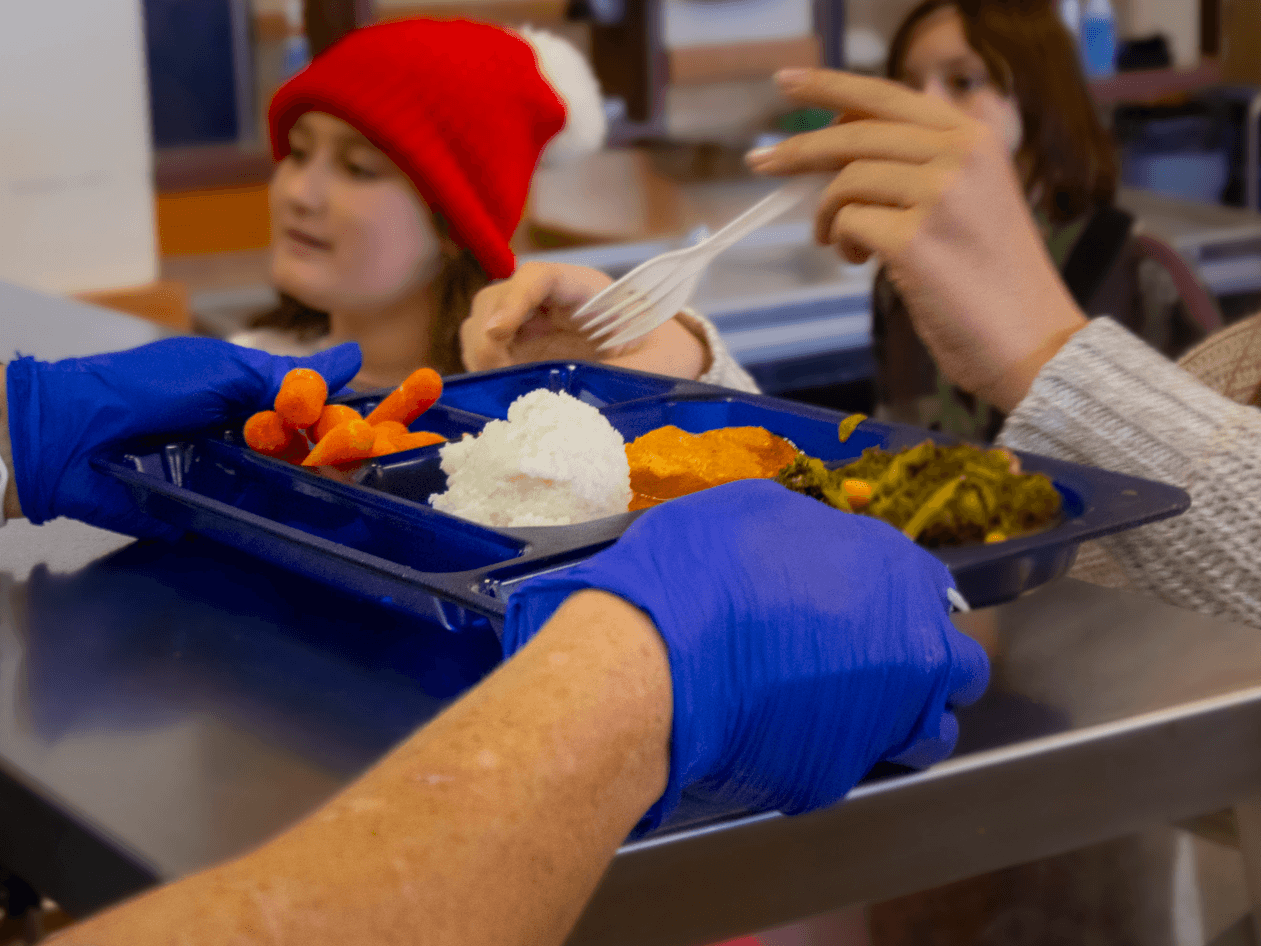
Student Research: Biodegradable Sporks Could Cut NYC School Plastic Waste
Juliet Falk argues in a new report that biodegradable sporks could significantly cut down on plastic waste in...

Orlando Arts Groups Offer Experience Gifts and Ticket Discounts Through November 30
Orlando arts groups are offering experience-based holiday gifts that extend well past December, from a $50 Winter Mini-Fest...

NYC Park Soil Bacteria Found to Kill Lung Cancer Cells in Lab Tests
Soil collected from 25 Manhattan parks produced 17 bacterial cultures, and every single one killed human lung cancer...

Chicago Tribune: Costs and Engineering, Not NIMBYs, Ended White Sox South Loop Stadium Plan
In an editorial published Friday, the Chicago Tribune argues that engineering costs and federal rail priorities — not...